
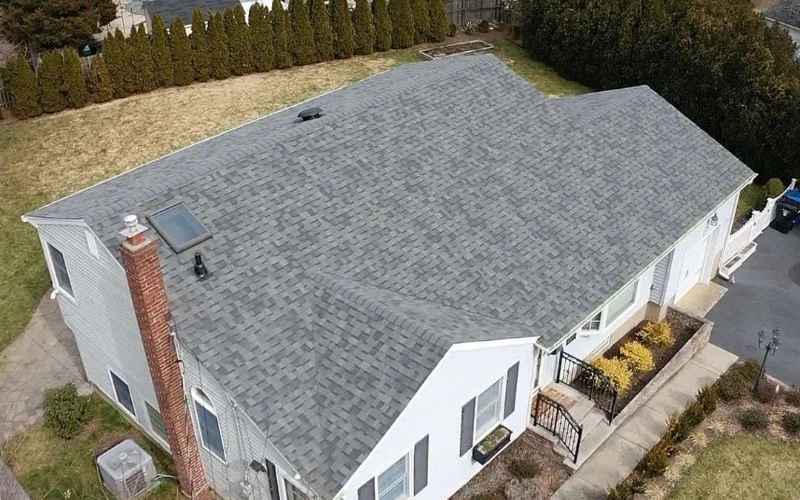
- understanding-roof-challenges - the impact of climate on roofing materials and structure
- routine-inspections-and-maintenance - identifying and preventing potential damage
- choosing-weather-resistant-materials - selecting the right roofing materials for your region
- reinforcement-and-structural-support - strengthening roof integrity against extreme conditions
- gutter-and-drainage-care - managing water flow to prevent structural weakening
- insulation-and-ventilation - protecting roofs from thermal and moisture stress
- storm-preparation-and-emergency-planning - safeguarding roofs during extreme weather events
- real-life-examples-and-case-studies - stories of successful roof maintenance in variable climates
- expert-tips-and-resources - professional advice and tools for long-term roof care
1. Understanding Roof Challenges
Roofs face significant challenges in changing climates. From intense heatwaves to heavy snow, shifting weather patterns affect structural integrity. Temperature fluctuations can cause expansion and contraction in materials, while prolonged moisture exposure leads to rot, mold, and weakened shingles.
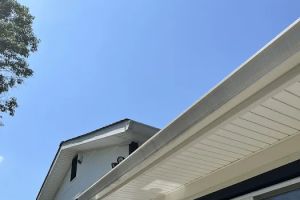
Climate Effects on Different Roofing Materials
Asphalt shingles, for instance, may crack in extreme heat, whereas metal roofs are prone to denting during hail storms. Understanding how your local climate impacts your roof helps you plan maintenance schedules and material choices effectively.

Peak Roofing Contractors Inc.
WarrentonFauquier CountyVirginia
405 Belle Air Ln, Warrenton, VA 20186, USA
2. Routine Inspections and Maintenance
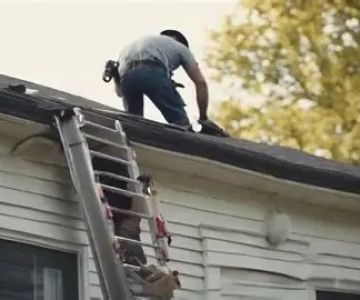
Regular inspections are critical for maintaining roof strength. Homeowners should examine shingles, flashing, gutters, and underlying structures at least twice a year, ideally in spring and fall.
Spotting Early Signs of Damage
Look for curling shingles, water stains, moss growth, and loose flashing. Early detection allows for minor repairs before small issues escalate into costly structural problems.
Maintenance Checklist
- Remove debris, leaves, and branches
- Check for leaks or water stains inside the attic
- Repair or replace damaged shingles
- Inspect seals around vents, chimneys, and skylights
3. Choosing Weather-Resistant Materials
Selecting the right materials is crucial for maintaining roof durability. Asphalt, metal, clay, and composite roofing each have unique advantages depending on your climate.
Material Recommendations
- Metal Roofs: Excellent for snow and rain, highly durable.
- Clay or Concrete Tiles: Resistant to heat, ideal for hot climates.
- Asphalt Shingles: Cost-effective but may require frequent inspection in extreme weather.
- Composite Materials: Engineered to resist UV damage, moisture, and impact.
4. Reinforcement and Structural Support
Strengthening your roof's structure adds resilience against storms and heavy snowfall. Reinforcing trusses, rafters, and load-bearing beams ensures your roof can handle stress without warping or collapsing.
Practical Strategies
Adding hurricane straps or extra support beams in areas prone to strong winds is a proven method. For older homes, consulting a structural engineer may prevent long-term damage.
5. Gutter and Drainage Care
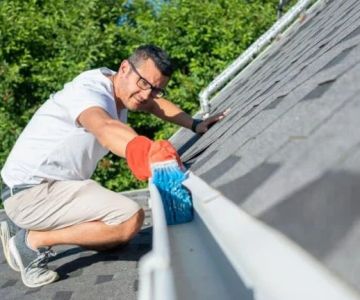
Effective water management prevents roof rot and leaks. Clogged gutters and downspouts can trap water, causing seepage into the roof deck.
Maintenance Tips
- Clean gutters regularly, especially after storms
- Ensure proper slope for water drainage
- Install gutter guards to prevent debris buildup
6. Insulation and Ventilation
Proper insulation and ventilation reduce thermal stress on roofs and prevent moisture accumulation. Hot attics can damage shingles, while trapped humidity fosters mold growth.
Expert Advice
Install ridge vents or soffit vents to allow airflow, and use reflective insulation in hot climates. Balanced ventilation extends the lifespan of roofing materials and maintains energy efficiency.
7. Storm Preparation and Emergency Planning
Extreme weather can compromise roof integrity. Preparing in advance minimizes damage during storms, hurricanes, or heavy snowfall.
Preparation Steps
- Trim overhanging branches that could fall
- Inspect and secure loose shingles
- Store emergency repair kits, including tarps and fasteners
- Document roof condition for insurance purposes
8. Real-Life Examples and Case Studies
In Texas, a family reinforced their roof with hurricane straps and installed metal panels after repeated hail damage. During the next storm season, their home remained fully protected while neighbors experienced significant leaks and shingle loss.
Similarly, homeowners in New England installed composite shingles with enhanced ventilation. Their roofs endured heavy snow and ice without damage, showcasing how material choice and maintenance strategies effectively counter climate challenges.
9. Expert Tips and Resources
Professional roofers recommend regular inspections, using high-quality materials, and reinforcing structural elements to maintain strength. Trusted resources like Total Roofing Hub provide guidance on product selection, repair services, and DIY maintenance techniques.
Maintaining roof strength in changing climates is a combination of preventive care, smart material choices, and structural reinforcements. With the right strategies, your roof can withstand extreme weather while protecting your home for decades.


 Cannon Roofing0.0 (0 reviews)
 Rhino Construction & Remodeling LLC4.0 (31 reviews)
 BLACKSTONE BUILDERS GROUP3.0 (9 reviews)
 Roof Works USA4.0 (197 reviews)
 Javco Roofing5.0 (18 reviews)
 Solarshield Industries, Inc.4.0 (20 reviews)
 How to Maintain Roof Performance in Hot Climates
 The Real Benefits of Annual Roof Inspections
 The Complete Guide to Roof Leak Detection and Repair
 Top 10 Signs Your Roof Needs Immediate Repair
 How to Prevent Ice Dams – Roof Overhangs, Shingles & Ventilation
 The Best Roofing Materials for Cold Climates