
- 1-Why-Gutters-Determine-Roof-Health
- 2-How-Poor-Gutter-Maintenance-Damages-Roofs
- 3-Seasonal-Risk-Factors-for-Gutter-Failure
- 4-Warning-Signs-of-Roof-and-Gutter-Problems
- 5-Real-Homeowner-Damage-Case-Studies
- 6-Preventive-Maintenance-Strategies
- 7-Professional-Roofing-Insights
- 8-Total-Roofing-Hub-Recommendations
1. Why Gutters Determine Roof Health
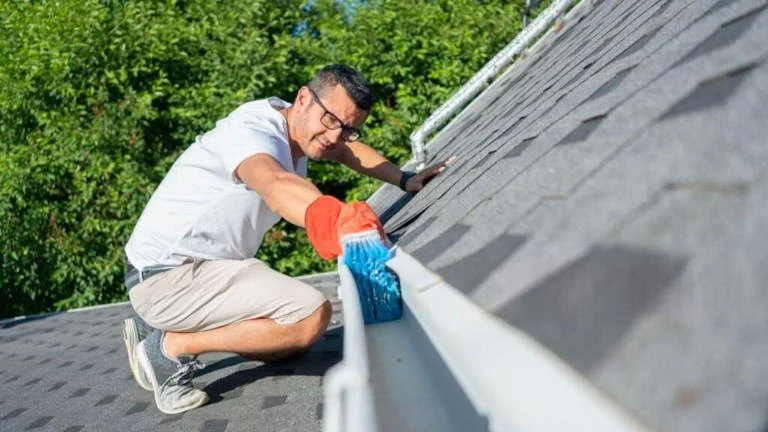
Many homeowners in the United States underestimate the connection between gutters and roof durability. Gutters are not just simple drainage channels—they are a critical defense system that protects the roof, foundation, siding, and overall structural integrity of a home. When gutters function properly, they guide rainwater safely away from the roofline. When they fail, water begins to accumulate in places it should never reach.
Roof systems are designed to shed water quickly, but without properly maintained gutters, that water often backs up under shingles or pools along the roof edge. Over time, this creates hidden moisture damage that can weaken roofing materials and lead to expensive repairs.
A homeowner in North Carolina once shared how they ignored routine gutter cleaning for two years. What started as minor overflow during storms eventually led to rotting fascia boards and early roof deck deterioration—repairs that cost nearly ten times more than basic maintenance would have.
2. How Poor Gutter Maintenance Damages Roofs
Poor gutter maintenance creates a chain reaction of damage that affects multiple parts of a roofing system. Understanding this process is essential for prevention.
2.1 Water Backflow Under Roofing Materials
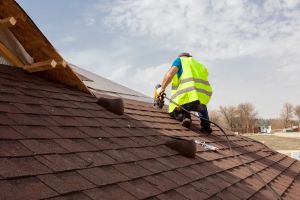
When gutters are clogged with leaves, dirt, or debris, rainwater has nowhere to go. Instead of flowing through the downspouts, it begins to back up toward the roof edge. This water can seep beneath shingles, leading to moisture infiltration and wood rot.
2.2 Ice Dams in Cold Weather Regions
In colder states, clogged gutters contribute to ice dam formation. As snow melts and refreezes at the roof edge, ice blocks proper drainage. This traps water on the roof surface and increases the risk of leaks inside the home.
2.3 Structural Fascia and Soffit Damage
Overflowing gutters continuously expose fascia boards and soffits to moisture. Over time, this leads to warping, mold growth, and structural weakening. These components are essential for supporting the gutter system itself, so damage often accelerates further failure.
3. Seasonal Risk Factors for Gutter Failure
Gutter problems are not random—they are often tied to seasonal environmental changes. Homeowners should understand how different times of the year increase risk.
3.1 Autumn Leaf Accumulation
Fall is the most common season for gutter clogs. Trees shed leaves rapidly, especially in suburban neighborhoods. Without cleaning, gutters can become completely blocked within weeks.
3.2 Spring Rain Overload
Heavy spring rains test the capacity of gutters. Even partial blockages can cause overflow, especially during sudden storms that deliver large volumes of water in short periods.
3.3 Winter Freeze-Thaw Cycles
Repeated freezing and thawing cycles in winter expand small cracks in gutters and roofing materials. Combined with poor drainage, this accelerates roof edge deterioration.
4. Warning Signs of Roof and Gutter Problems
Recognizing early warning signs can prevent major roof damage. Many homeowners overlook subtle indicators until repairs become unavoidable.
4.1 Water Stains on Exterior Walls
Discoloration or streaking along siding often indicates overflowing gutters. This is one of the earliest visible signs of drainage failure.
4.2 Sagging Gutters
Gutters that appear to sag or pull away from the roofline are usually overloaded with debris or standing water.
4.3 Basement Moisture Issues
Improper drainage can cause water to pool around the foundation, leading to basement leaks or dampness.
4.4 Roof Edge Deterioration
Shingles near the roofline may appear curled, stained, or deteriorated due to prolonged exposure to trapped moisture.
5. Real Homeowner Damage Case Studies
Across the United States, roofing professionals frequently encounter preventable damage caused by neglected gutters.
- Case in Illinois: A suburban homeowner experienced repeated attic leaks during storms. Inspection revealed completely clogged gutters filled with compacted leaves and sediment. Water had been backing under shingles for months before visible leaks appeared.
- Case in Florida: A coastal property suffered fascia board rot due to constant humidity combined with overflowing gutters. The repair required partial roof edge reconstruction.
- Case in Colorado: Ice dam formation caused interior ceiling damage in a mountain home. The root cause was poorly maintained gutters that prevented proper snowmelt drainage.
These cases highlight how small maintenance issues can escalate into major structural repairs if ignored.
6. Preventive Maintenance Strategies
Preventing roof damage starts with consistent gutter care. Homeowners can significantly reduce risk by adopting a structured maintenance routine.
6.1 Routine Cleaning Schedule
Cleaning gutters at least twice a year—once in spring and once in fall—helps prevent debris buildup. Homes surrounded by trees may require more frequent cleaning.
6.2 Gutter Guard Installation
Gutter guards reduce the amount of debris entering the system. While not maintenance-free, they significantly lower clogging frequency and improve long-term performance.
6.3 Downspout Flow Testing
Pouring water through gutters during inspections helps identify blockages or slow drainage areas before they become serious problems.
6.4 Roof Edge Inspection
Regularly checking shingles, flashing, and fascia boards ensures early detection of moisture damage before it spreads.
7. Professional Roofing Insights
Roofing experts consistently emphasize that gutter maintenance is one of the most cost-effective ways to extend roof lifespan. Compared to full roof replacement, gutter care requires minimal investment but delivers significant protection.
Professionals also note that many insurance claims related to roof leaks are denied due to “lack of maintenance.” This makes proactive care even more important for homeowners seeking long-term financial protection.
Another key insight is that modern roofing systems are designed with drainage efficiency in mind. When gutters fail, even high-quality roofing materials cannot compensate for improper water management.
8. Total Roofing Hub Recommendations
For homeowners looking to better understand roof protection and maintenance solutions, Total Roofing Hub provides valuable guidance and resources tailored to real-world roofing challenges.
From identifying early gutter failure signs to selecting durable drainage systems, Total Roofing Hub helps homeowners make informed decisions that prevent costly roof damage. Their insights are especially useful for those living in regions with heavy rainfall, snow, or seasonal debris accumulation.
By following structured maintenance strategies and consulting professional resources like Total Roofing Hub, homeowners can significantly extend the lifespan of their roofing systems and avoid preventable structural damage.



 Fair Deal Roofing4.0 (20 reviews)
 Westchester-Putnam Contracting Corp5.0 (3 reviews)
 Castillo Construction and Metal Roofing, LLC2.0 (6 reviews)
 Terzo Roofing5.0 (15 reviews)
 UR Roofing & Home Improvements0.0 (0 reviews)
 Pro Star Roofing0.0 (0 reviews)
 Top 10 Signs Your Roof Needs Immediate Repair – Expert Roofing Tips
 How to Prevent Roof Damage from Environmental Factors
 How to Budget for a Roof Replacement Project: A Step-by-Step Guide
 Top 10 Signs Your Roof Needs Immediate Repair
 How Often Should You Replace Your Home's Siding? Expert Guide for Homeowners
 What to Know About Roof Replacement Timelines