
- The-Importance-of-Routine-Roof-Care
- Common-Causes-of-Roof-Leaks
- How-Inspections-Help-Prevent-Leaks
- Seasonal-Maintenance-Routines
- Gutter-and-Drainage-Checks
- Flashing-and-Shingle-Care
- Attic-Moisture-and-Ventilation
- Real-Life-Homeowner-Experiences
- Choosing-Professional-Roofing-Help
- Long-Term-Benefits-of-Routine-Care
The Importance of Routine Roof Care
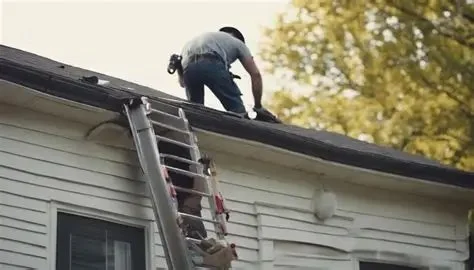
Every homeowner understands that a roof is essential for shelter and protection, but not everyone realizes the crucial role routine care plays in preventing leaks. Roof leaks are more than just minor inconveniences—they can lead to extensive water damage, mold growth, structural problems, and costly repairs. By establishing a consistent maintenance routine, homeowners can identify potential issues before they escalate and ensure the longevity and safety of their home.
Routine roof care goes beyond occasional visual checks. It involves proactive inspections, preventive repairs, and seasonal adjustments that address the unique challenges posed by weather, aging materials, and environmental factors. Engaging in this care reduces the risk of leaks and creates a safer, healthier home environment.
1. Preventive Mindset
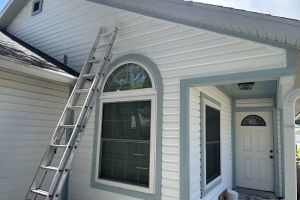
Adopting a preventive mindset allows homeowners to tackle minor concerns early. Small cracks, loose shingles, or minor flashing issues may seem harmless, but over time they can become entry points for water.
Trackguard Roofing Experts
San FernandoLos Angeles CountyCalifornia
651 Arroyo Ave, San Fernando, CA 91340, USA
2. Consistent Observation
Routine checks provide a structured approach to monitoring roof health. Tracking changes in the roof’s appearance, noticing wear patterns, and maintaining maintenance records help detect problems early and facilitate informed decisions about repairs.
Common Causes of Roof Leaks
Understanding why roof leaks occur is fundamental to prevention. While leaks can arise from multiple factors, some issues are more prevalent than others.
1. Damaged or Missing Shingles
Shingles protect the roof from water and weather exposure. High winds, hail, or aging shingles can compromise the integrity of this protective layer, allowing water to penetrate the underlying structure.
2. Deteriorated Flashing
Flashing seals roof intersections and penetrations such as chimneys, skylights, and vents. When flashing deteriorates or becomes loose, water can seep into gaps, leading to leaks.
3. Clogged Gutters and Drainage
Blocked gutters prevent proper water flow, causing water to pool on the roof or overflow onto walls and foundations. Over time, this can cause leaks and structural damage.
4. Attic Moisture Problems
Poor ventilation or insulation can trap moisture in the attic, contributing to condensation, wood rot, and the growth of mold—all of which can weaken the roof structure and create leaks.
How Inspections Help Prevent Leaks
Regular roof inspections are one of the most effective methods for leak prevention. During an inspection, professionals evaluate all critical components of the roof, identifying vulnerabilities before they develop into major problems.
1. Early Detection
Routine inspections uncover small issues such as minor shingle damage, loose nails, or deteriorated sealants. Catching these early prevents more extensive water intrusion.
2. Documentation for Maintenance
Inspection reports provide a clear record of the roof’s condition, guiding homeowners in scheduling maintenance tasks and tracking long-term performance.
3. Reducing Emergency Repairs
Proactive inspections minimize unexpected emergencies, offering homeowners peace of mind and reducing repair costs.
Seasonal Maintenance Routines
Seasonal maintenance ensures that the roof is prepared for varying weather conditions throughout the year.
1. Spring
After winter, roofs may experience damage from ice, snow, or debris. Spring maintenance includes clearing debris, checking for shingle damage, and inspecting flashing for cracks or separation.
2. Summer
During dry, hot months, UV exposure can degrade shingles and sealants. Summer care includes inspecting for sun damage, ensuring proper ventilation, and monitoring insulation performance.
3. Fall
Before winter arrives, cleaning gutters and verifying drainage systems is critical. Fall inspections also address any weaknesses that could be exacerbated by snow or heavy rain.
4. Post-Storm Checks
After storms, inspect roofs for missing shingles, damaged flashing, and debris accumulation to prevent leaks and structural damage.
Gutter and Drainage Checks
Gutters and downspouts play a vital role in diverting water away from the roof and foundation. Routine care includes:
- Removing debris to maintain unobstructed water flow
- Checking for leaks or rust spots in gutters
- Ensuring downspouts direct water far from the home’s foundation
- Inspecting connections and slope to prevent water pooling
Proper gutter maintenance directly reduces the risk of roof leaks and interior water damage.
Flashing and Shingle Care
Shingles and flashing are the primary barriers against water intrusion.
1. Shingle Replacement
Replace curling, cracked, or missing shingles promptly. This prevents small water entry points from developing into major leaks.
2. Flashing Repairs
Ensure flashing around chimneys, skylights, and roof valleys is secure and sealed. Even minor deterioration can compromise waterproofing.
Attic Moisture and Ventilation
Attic inspection is an essential element of leak prevention. Focus areas include:
- Checking for condensation or water stains
- Assessing insulation for moisture retention
- Ensuring vents are unobstructed and functional
- Monitoring for signs of mold growth
Maintaining a dry, well-ventilated attic supports the longevity of roofing materials and prevents leaks from forming below the surface.
Real-Life Homeowner Experiences
A homeowner in Colorado noticed a minor curl in several shingles after a spring snowstorm. By promptly scheduling a roof inspection, they discovered that the underlying underlayment was slightly compromised. Early intervention prevented significant water damage during the summer rains and saved thousands of dollars in repairs.
In another case, a family in Florida experienced sudden interior leaks during a heavy rain. Routine inspection and maintenance had been neglected for several years, allowing blocked gutters and deteriorated flashing to contribute to extensive water intrusion. The lesson: consistent care and professional guidance can prevent these emergencies.
Choosing Professional Roofing Help
While homeowners can perform basic checks, professional inspections offer comprehensive evaluations and expertise.
1. Certified Roofing Contractors
Selecting certified and experienced contractors ensures inspections are thorough and accurate.
2. Detailed Inspection Reports
Professionals provide detailed reports documenting issues, recommended repairs, and maintenance schedules. These reports guide future preventive actions and support insurance documentation if needed.
3. Trusted Resources
Resources such as Total Roofing Hub offer expert advice, product recommendations, and service referrals to assist homeowners in maintaining leak-free roofs.
Long-Term Benefits of Routine Care
Routine roof care prevents leaks, extends the roof’s lifespan, protects structural integrity, and reduces overall maintenance costs. Homeowners benefit from:
- Reduced risk of costly water damage
- Improved indoor air quality by preventing mold growth
- Enhanced energy efficiency and insulation performance
- Peace of mind knowing the home is protected year-round
- Documented roof condition for future planning and resale value
Ultimately, a proactive approach to roof maintenance ensures a durable, safe, and leak-free home. Combining routine inspections, seasonal care, and professional expertise from resources like Total Roofing Hub provides homeowners with a reliable roadmap for preserving roof health and protecting their property investment.



 Westbrook Roofing and Remodeling5.0 (59 reviews)
 Massey Roofing & Contracting4.0 (76 reviews)
 GreatWay Roofing5.0 (2 reviews)
 Ohio Home Repair Company5.0 (4 reviews)
 TRMJ Roofing inc5.0 (5 reviews)
 A&J Construction5.0 (24 reviews)
 How Long Does a Roof Replacement Take from Start to Finish?
 How to Maintain Roof Performance for Long-Term Protection
 How to Spot Hail Damage on Your Roof: A Step-by-Step Guide
 Everything You Need to Know About Roof Warranties – Types, Coverage, and Importance
 Siding Sealing & Caulking Best Practices: Protect Your Home from the Elements
 How to Choose the Right Roof Slope for Snow Shedding