- 1- Understanding Roof Slope for Snow Shedding
- 2- Why Roof Slope Matters for Snow Shedding
- 3- Calculating the Right Roof Slope for Your Climate
- 4- Choosing the Right Materials for Snow Shedding
- 5- Maintenance Tips for Snow Shedding Roofs
- 6- When to Seek Professional Help
1- Understanding Roof Slope for Snow Shedding
The slope of your roof plays a critical role in determining how efficiently snow sheds off during the winter. A roof's pitch or slope is the angle at which it rises from the eaves to the peak. While all roofs are designed to handle various weather conditions, the ability to shed snow effectively is especially important in areas prone to heavy snowfall. In this article, we’ll break down how roof slope affects snow shedding and what you need to consider when planning or evaluating your roof’s design.
Society Roofing & Solar
CantonCapitol Planning RegionConnecticut
20 Depot St, Collinsville, CT 06019, USA
1.1 What Is Roof Slope?
Roof slope refers to the steepness or incline of the roof, typically expressed as a ratio of the vertical rise to the horizontal span, or as a degree angle. A steeper roof helps snow and ice slide off more easily, reducing the accumulation that can lead to ice dams or added weight stress on your home.

American High Tech Roof Coating
Yorba LindaOrange CountyCalifornia
22895 Savi Ranch Pkwy f, Yorba Linda, CA 92887, USA
2- Why Roof Slope Matters for Snow Shedding
Choosing the right roof slope is not just about aesthetics or structural integrity; it plays a pivotal role in snow shedding, which is crucial for preventing damage from heavy snowfalls. Here's why slope matters:
2.1 Preventing Snow Buildup
In areas with heavy snowfall, roofs with a low pitch may struggle to shed snow efficiently. If snow remains on the roof for extended periods, it can freeze, melt, and then refreeze, potentially creating ice dams that lead to leaks inside your home. A steeper roof allows snow to slide off more easily, preventing this buildup.
2.2 Reducing the Risk of Roof Damage
Excessive snow accumulation can lead to structural damage if left unchecked. Roofs that aren't steep enough to shed snow quickly can suffer from weight strain, which might compromise the integrity of the structure over time. By ensuring your roof has the proper slope, you can reduce the chances of this happening.
3- Calculating the Right Roof Slope for Your Climate
When determining the appropriate roof slope for snow shedding, it's essential to consider your local climate and snowfall patterns. Not all regions require the same roofing design. Here's how you can calculate the right slope:
3.1 Roof Slope for Snowy Climates
For areas that experience heavy snowfalls, a steeper roof slope is recommended. Roofs with a slope of at least 30 degrees (or 6/12 pitch) are ideal in snowy climates. This allows for snow to slide off more easily, reducing the risk of buildup and ice dams.
3.2 Roof Slope for Moderate Snowfall Areas
For regions with moderate snowfall, a slope of 20 to 30 degrees may be sufficient. While the snow may not accumulate as quickly, this range still provides adequate shedding ability for most snowfalls without putting undue strain on the roof.
3.3 Roof Slope for Minimal Snowfall Regions
In areas with little to no snow, a roof slope as low as 10 to 15 degrees (or 2/12 to 3/12 pitch) may suffice. While these roofs are not designed to shed large amounts of snow, they are perfectly suitable for light winters.
4- Choosing the Right Materials for Snow Shedding
Besides slope, the materials used for your roof can also impact snow shedding efficiency. The smoother and more slippery the surface, the easier it is for snow to slide off. Here are some material considerations:
4.1 Asphalt Shingles
Asphalt shingles are one of the most common roofing materials, and they offer a moderate level of snow shedding. They are not as slippery as metal roofs, but with a proper slope, they can still perform well in regions with moderate snowfalls.
4.2 Metal Roofing
Metal roofs are ideal for snow shedding due to their smooth, slippery surface. The combination of a steep slope and metal roofing allows snow to slide off easily, making them the best choice for areas with heavy snowfalls.
4.3 Tile and Slate Roofing
Tile and slate roofs are highly durable and provide good snow shedding capabilities, especially when combined with a steep slope. However, they can be heavy and may require additional structural support.
5- Maintenance Tips for Snow Shedding Roofs
Proper maintenance is crucial to ensure that your roof continues to perform well in shedding snow. Here are some tips to help maintain your roof’s snow-shedding capabilities:
5.1 Regular Inspection
Inspect your roof regularly, especially after snowstorms. Look for signs of snow buildup, damage to shingles, or areas where ice dams may be forming. Early detection can help prevent long-term damage.
5.2 Clearing Snow from the Roof
If snow accumulates too much, it may be necessary to remove it manually. This can be done with a roof rake, which is specifically designed to clear snow off without damaging the shingles or structure of your roof.
5.3 Gutter Maintenance
Ensure that your gutters are clear of debris and functioning properly. Clogged gutters can trap water and snow, causing ice dams. Clean your gutters regularly to allow proper water flow and snow runoff.
6- When to Seek Professional Help
While some maintenance tasks can be handled by homeowners, it's important to know when to call in a professional. If you notice persistent ice dams, damaged shingles, or structural concerns with your roof, a roofing expert can evaluate and provide solutions to prevent further damage.
6.1 Structural Concerns
If your roof is sagging or showing signs of severe stress due to accumulated snow, it's essential to consult with a professional. A roofing contractor can assess the structural integrity of your roof and suggest reinforcements or repairs as necessary.
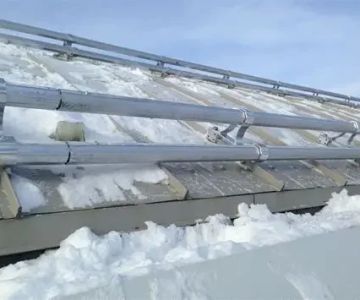
6.2 Installation of Snow Guards
In areas with heavy snow, professionals can also install snow guards to prevent large snow slides that could damage your home or landscape. Snow guards help regulate the amount of snow that falls off at one time, reducing the risk of damage.
 Marc Joseph remodeling5.0 (1 reviews)
 PRS Roofing Inc5.0 (9 reviews)
 KAPS CONSTRUCTION4.0 (5 reviews)
 Marshall Exteriors, LLC4.0 (213 reviews)
 S.W.A.T. Roofing & Consulting4.0 (46 reviews)
 MATFI RENOVATIONS LLC5.0 (23 reviews)
 Siding Material Fire Ratings: What’s Required & What to Choose
 Roof Talk: Common Terminology Every Homeowner Should Know
 How Often Should You Replace Your Home's Siding? Expert Tips on Siding Longevity
 The Average Lifespan of Asphalt Shingle Roofs: How Long Do They Last?
 How to Choose a Reliable Roofing Contractor Near You | Top Tips and Questions
 Should I Repair or Replace My Roof? – Expert Guide for U.S. Homeowners