
Everything You Need to Know About Roof Warranties
- What Is a Roof Warranty?
- Types of Roof Warranties
- What Does a Roof Warranty Cover?
- How Long Are Roof Warranties?
- Why Roof Warranties Are Important
- Common Mistakes to Avoid with Roof Warranties
- How to Make the Most of Your Roof Warranty
1. What Is a Roof Warranty?
A roof warranty is an agreement between you and the roofing manufacturer or contractor that outlines the coverage for repairs or replacements if your roof experiences issues within a certain period. Roof warranties provide homeowners with peace of mind, knowing that if something goes wrong with their roofing system, they can rely on a warranty to help with the costs of repairs or replacement.
Reliable Roofing & Retro-Fit
Los AngelesLos Angeles CountyCalifornia
6308 Woodman Ave #203, Van Nuys, CA 91401, USA
2. Types of Roof Warranties
There are several types of roof warranties that homeowners should be aware of. Each type provides different levels of coverage and protection:
- Manufacturer’s Warranty: This warranty is provided by the manufacturer of the roofing materials. It typically covers defects in the materials themselves and may last anywhere from 10 to 50 years, depending on the manufacturer.
- Workmanship Warranty: This warranty is provided by the contractor who installs your roof. It covers issues related to the quality of the installation. Typically, this warranty lasts between 1 and 10 years.
- Extended Warranty: Some roofing manufacturers offer extended warranties that cover not just material defects, but also additional protection, such as labor and repairs for roof damage caused by things like weather or impact. These warranties can last for decades.
3. What Does a Roof Warranty Cover?
Roof warranties generally cover a range of issues related to both the materials and the installation process. Here’s what they typically cover:
- Material Defects: If the roofing materials are found to be defective, the warranty will usually cover the cost of replacing those materials.
- Workmanship Issues: If the installation process was faulty, a workmanship warranty will help cover the cost of correcting the issue.
- Leaks: Many roof warranties will cover leaks caused by defective materials or poor installation. However, coverage for leaks caused by weather or damage may be limited or excluded.
It’s important to understand the fine print of your roof warranty, as coverage can vary widely depending on the provider and type of warranty.
4. How Long Are Roof Warranties?
The length of a roof warranty varies depending on the type of warranty and the roofing materials used. Manufacturer warranties typically range from 10 to 50 years, while workmanship warranties are usually shorter, ranging from 1 to 10 years. Extended warranties, which provide more comprehensive coverage, can last even longer, sometimes covering the roof for as long as 50 years.
When purchasing a roof warranty, make sure you know the terms and conditions, including how long the warranty lasts and what specific coverage is offered. Some warranties may also require regular maintenance checks to remain valid.
5. Why Roof Warranties Are Important
Roof warranties are an essential safety net for homeowners, offering protection against expensive repairs and replacements. A roof is a significant investment, and a warranty ensures that you won’t be left financially burdened if problems arise. Roof warranties provide:
- Financial Protection: With a valid warranty, you can avoid paying out-of-pocket for repairs or replacements if issues with the roof arise.
- Peace of Mind: Knowing your roof is protected allows you to enjoy your home without constantly worrying about potential roof issues.
- Increased Home Value: A roof warranty can increase the resale value of your home, as future buyers will have the added security of a transferable warranty.
6. Common Mistakes to Avoid with Roof Warranties
While roof warranties provide significant protection, many homeowners make mistakes that can void their warranties or reduce their effectiveness:
- Neglecting Regular Maintenance: Failing to maintain your roof as outlined in the warranty agreement can lead to voiding the warranty.
- Choosing Unqualified Contractors: Poor installation can result in a voided workmanship warranty. Always choose a reputable contractor who is licensed and experienced.
- Ignoring Warranty Terms: Not reading the fine print can leave you unprotected. Make sure you fully understand the limitations and conditions of your roof warranty.
7. How to Make the Most of Your Roof Warranty
To ensure your roof warranty remains valid and offers maximum protection, here are some tips:
- Schedule Regular Inspections: Many warranties require routine inspections. Stay on top of these to ensure your roof is in good condition.
- Document Any Issues: If you notice a problem, document it with photos and contact the warranty provider immediately.
- Keep All Documentation: Maintain records of all work done on your roof, including installation, repairs, and inspections, as this can help with warranty claims.
By following these steps, you can maximize the benefits of your roof warranty and avoid unnecessary expenses in the future.
If you're looking for the best roofing products, services, or contractors to help with your roof, visit Total Roofing Hub for expert recommendations.

 Skyline Designs Roofing5.0 (99 reviews)
 Perfect Roofing Installations4.0 (60 reviews)
 Dog Tags Construction LLC4.0 (16 reviews)
 Gutter Shutter of Central Maryland5.0 (9 reviews)
 Sam Cline Handyman Services4.0 (37 reviews)
 Paramount Builders Inc.4.0 (302 reviews)
 Should I Repair or Replace My Roof?
 Top 10 Signs Your Roof Needs Immediate Repair Before It’s Too Late
 The Pros and Cons of Vinyl Siding: Is It the Right Choice for Your Home?
 How to Choose a Reliable Roofing Contractor Near You – Expert Tips
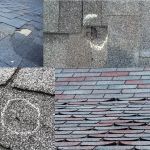 Top 10 Signs Your Roof Needs Immediate Repair You Shouldn’t Ignore
 How to Spot Hail Damage on Your Roof | Quick Guide for Homeowners