
- Understanding Heat Effects on Roofs - How High Temperatures Impact Roofing Materials
- Inspection and Maintenance Strategies - Identifying and Addressing Early Signs of Damage
- Choosing the Right Roofing Materials - Heat-Resistant Options for Longevity
- Proper Insulation and Ventilation - Enhancing Roof Performance
- Regular Cleaning and Gutter Care - Preventing Heat-Related Wear
- Applying Protective Coatings - Reflective and UV-Resistant Solutions
- When to Hire Professional Services - Total Roofing Hub Recommendations
- Case Study: Roof Performance in Extreme Heat - Real-Life Example of Successful Maintenance
- Long-Term Strategies for Roof Longevity - Sustaining Performance Over Time
Understanding Heat Effects on Roofs
Roofs in hot climates face unique challenges due to prolonged exposure to high temperatures and intense sunlight. Asphalt shingles, metal roofs, and other materials can warp, crack, or degrade faster if not properly maintained. Understanding how heat affects roofing materials helps homeowners take proactive steps.

Cape Cod House Calls
BarnstableBarnstable CountyMassachusetts
50 Highland Dr, Centerville, MA 02632, USA
1. Common Heat-Related Issues
- Shingle curling or blistering
- Accelerated fading or discoloration
- Reduced lifespan of roofing membranes
- Increased energy costs due to poor insulation
2. Factors That Intensify Damage
Direct sun exposure, lack of ventilation, and poor insulation increase the risk of heat damage. Regular monitoring is essential to mitigate these effects.

Royal Roof & Gutter, LLC.
Carnot-MoonAllegheny CountyPennsylvania
107 Bradley Dr, Moon Township, PA 15108, USA
Inspection and Maintenance Strategies
Routine inspections identify minor issues before they escalate. Check for loose shingles, cracks, and areas where insulation may have deteriorated.
1. Visual Roof Inspection
Inspect the roof monthly or after severe heat waves. Look for discoloration, warped tiles, and debris accumulation.
2. Professional Roof Assessment
Hire a certified roofing professional periodically for a thorough evaluation. They can detect hidden heat damage and recommend corrective measures.
Choosing the Right Roofing Materials
Material selection is crucial for roofs in hot climates. Heat-resistant materials enhance longevity and reduce maintenance costs.
1. Metal Roofing
Reflective metal panels deflect sunlight, reducing heat absorption and protecting underlying structures.
2. Clay or Concrete Tiles
Tiles with high thermal mass maintain structural integrity and resist cracking in intense heat.
3. Cool Roof Coatings
Reflective coatings improve energy efficiency by reflecting solar radiation, keeping interior spaces cooler.
Proper Insulation and Ventilation
Proper roof insulation and ventilation reduce heat buildup and prolong roof life. Techniques include ridge vents, soffit vents, and thermal barriers.
1. Attic Ventilation
Install vents to allow hot air to escape, preventing roof deck overheating.
2. Insulation Layers
Use high-quality insulation to maintain indoor comfort and minimize thermal stress on roofing materials.
Regular Cleaning and Gutter Care
Debris and clogged gutters trap heat and moisture, accelerating roof wear.
1. Remove Leaves and Debris
Clear the roof surface to prevent hotspots and water pooling.
2. Maintain Gutters
Ensure gutters are free of debris to allow proper water flow and prevent heat-induced expansion damage.
Applying Protective Coatings
Protective coatings shield roofs from UV rays and extreme temperatures.
1. Reflective Roof Coatings
White or light-colored coatings reflect sunlight, reducing heat absorption.
2. UV-Resistant Sealants
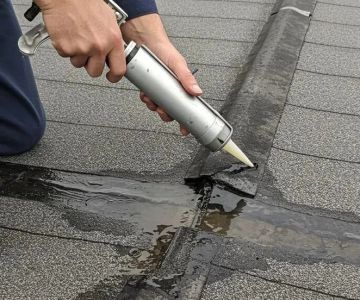
Seal cracks and joints with UV-resistant products to prevent deterioration from sun exposure.
When to Hire Professional Services
While homeowners can perform basic maintenance, professional services ensure safety and effectiveness for complex tasks.
1. Roof Repairs
Engage certified roofers to fix damaged shingles, tiles, or membranes.
2. Inspections and Upgrades
Professionals can recommend upgrades like reflective coatings or improved insulation systems for long-term performance.
Case Study: Roof Performance in Extreme Heat
In Phoenix, Arizona, a residential home experienced severe shingle warping due to intense heat. After implementing Total Roofing Hub's recommended inspection schedule, reflective coatings, and proper attic ventilation, the roof maintained its integrity and lowered indoor temperatures by 12°F, demonstrating effective performance management.
Long-Term Strategies for Roof Longevity
To maintain optimal roof performance in hot climates, consider these long-term strategies:
- Routine inspections every 3–6 months
- Periodic professional assessments
- Application of reflective coatings every few years
- Continuous debris and gutter maintenance
- Upgrading insulation and ventilation as needed
By following these guidelines, homeowners can protect their roofs from heat damage, extend lifespan, and enhance energy efficiency. For expert advice, products, and maintenance services, Total Roofing Hub provides reliable solutions tailored to roofs in hot climates.


 Ace Handyman Services Finger Lakes Region4.0 (153 reviews)
 California Energy Contractors4.0 (33 reviews)
 Vertex Roofing Contractors Inc.4.0 (62 reviews)
 Chick Beaulieu4.0 (6 reviews)
 American Made Windows of the Upstate4.0 (63 reviews)
 Fine Line Roofing5.0 (2 reviews)
 Roof Replacement for Flat Roofs: Drainage & Material Considerations | Total Roofing Hub
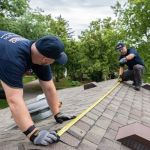 How Much Does a New Roof Cost in 2025? | Total Roofing Hub
 Should I Repair or Replace My Roof?
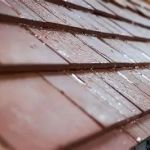 How to Protect Your Roof from Heavy Rainfall: Expert Tips for Homeowners
 Roof Cleaning Guide for Different Roof Types | Best Practices
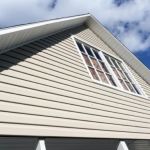 The Pros and Cons of Vinyl Siding for Your Home