- 1 - Understanding your roofing needs
- 2 - Researching local roofing companies
- 3 - Checking reputation and reviews
- 4 - Evaluating experience and certifications
- 5 - Obtaining detailed estimates
- 6 - Comparing materials and warranties
- 7 - Visiting past projects and case studies
- 8 - Red flags to watch for when hiring
- 9 - Making the final decision
- 10 - Total Roofing Hub recommendations and resources
1 - Understanding your roofing needs
Assessing the condition of your roof
The first step in choosing the best roofing company is understanding what your roof actually requires. Start by inspecting the current condition—look for missing shingles, leaks, or signs of wear. Determining whether you need minor repairs, a full replacement, or preventative maintenance helps narrow down the type of contractor you should hire.
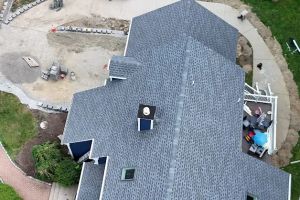
Quality General Construction inc
BrocktonPlymouth CountyMassachusetts
52 Delmar Rd, Brockton, MA 02302, USA
Identifying your goals
Are you aiming for a long-lasting roof with premium materials or a budget-friendly repair? Your goals will influence which roofing companies are suitable, as some specialize in high-end installations while others focus on cost-effective solutions. Clarifying your objectives upfront ensures smoother communication with potential contractors.

2 - Researching local roofing companies
Searching for nearby options
Start by compiling a list of local roofing companies near you. Online searches, neighborhood recommendations, and home improvement forums can provide a range of candidates. Local companies often offer quicker service and may be more familiar with regional weather conditions that affect roofing durability.
Verifying business legitimacy
Ensure that each roofing company has a valid license, insurance coverage, and adheres to state regulations. Working with a legitimate contractor protects you from potential liability issues and guarantees that the work meets industry standards.
3 - Checking reputation and reviews
Reading online reviews
Online review platforms, social media, and community forums provide insights into a roofing company’s reputation. Pay attention to both positive and negative reviews, noting how the company responds to criticism. A consistent pattern of satisfied clients usually indicates reliable service.
Asking for references
Request references from past customers. Speaking directly with homeowners who have hired the company can reveal firsthand experiences about punctuality, quality of work, and overall professionalism.
4 - Evaluating experience and certifications
Years in business
Experience matters when it comes to roofing. Companies that have been in business for several years have likely encountered a wide range of roofing challenges and developed problem-solving expertise. Longevity also indicates stability and trustworthiness in the community.
Certifications and specializations
Look for certifications from roofing material manufacturers and professional organizations. Certifications demonstrate that the company has met specific training requirements and is authorized to install certain products. Specialized experience—such as working with metal roofs, solar panels, or historic restorations—can also be an advantage depending on your project.
5 - Obtaining detailed estimates
Requesting written quotes
Contact multiple roofing companies to obtain detailed written estimates. Each estimate should outline labor costs, materials, timelines, warranties, and additional fees. Comparing these estimates allows you to make an informed decision while avoiding hidden charges.
Understanding cost breakdowns
Analyze the estimates carefully. A lower price may not always equate to the best value—consider the quality of materials, workmanship guarantees, and the contractor’s reputation. Transparent companies that clearly explain their pricing demonstrate professionalism and reliability.
6 - Comparing materials and warranties
Material options
Roofing materials significantly affect durability, aesthetics, and cost. Common options include asphalt shingles, metal, tile, and slate. Your choice should align with climate conditions, architectural style, and long-term maintenance expectations.
Warranty considerations
Check both manufacturer warranties and workmanship guarantees. A solid warranty protects your investment and indicates confidence in the quality of the installation. Ask about coverage specifics, duration, and any conditions that might void the warranty.
7 - Visiting past projects and case studies
Inspecting completed work
Whenever possible, visit previous project sites or ask for photos of completed roofing work. This provides insight into the company’s attention to detail, craftsmanship, and ability to handle various roof types. Seeing real examples instills confidence in your selection.
Learning from client experiences
Discuss the project’s timeline, challenges, and how the contractor resolved issues. Understanding the process through previous clients’ experiences can help you anticipate potential complications and set realistic expectations for your own project.
8 - Red flags to watch for when hiring
Poor communication
If a company is difficult to reach, vague about pricing, or fails to answer questions thoroughly, this may indicate potential problems. Clear communication is essential for a successful roofing project.
Unrealistic promises
Beware of contractors who promise extremely fast completion or unusually low costs. These may be signs of substandard work or hidden fees. Reliable roofing companies provide realistic timelines and transparent pricing.
9 - Making the final decision
Balancing quality and cost
Choose a roofing company that offers the best balance of quality, reliability, and affordability. While budget is important, prioritizing experienced contractors with proven results ensures long-term value and fewer headaches down the line.
Contract and agreement
Before work begins, ensure that the contract clearly outlines all expectations, including payment schedules, project scope, timelines, and warranties. A well-drafted contract protects both parties and sets clear expectations for the project.
10 - Total Roofing Hub recommendations and resources
Curated list of trusted companies
Total Roofing Hub offers a curated selection of reputable roofing companies near you. Using these vetted recommendations helps homeowners connect with contractors who have demonstrated consistent quality and reliability.
Additional resources and guidance
From tips on maintaining your roof to advice on material selection and budgeting, Total Roofing Hub provides comprehensive resources. This ensures that homeowners are equipped with the knowledge to make informed decisions and achieve the best results for their roofing projects.
Maximizing your investment
Partnering with a trusted roofing company and leveraging Total Roofing Hub’s expertise helps safeguard your home. From initial assessment to project completion, you can confidently navigate the roofing process, avoid common pitfalls, and enjoy a durable, aesthetically pleasing roof for years to come.
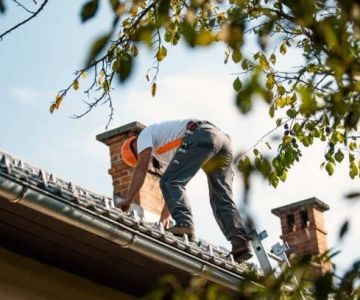
 Phoenix Roofing4.0 (28 reviews)
 Thompson Building Materials4.0 (189 reviews)
 Herman Roofing0.0 (0 reviews)
 Crown Reconstruction Services Inc.5.0 (9 reviews)
 Pacific Peak Roofing4.0 (61 reviews)
 The Roofing Standard LLC5.0 (56 reviews)
 How to Protect Your Roof After a Tree Falls On It: Essential Steps
 Siding Moisture Barriers & House Wrap: What Homeowners Should Know
 Roof Slope & Drainage: How It Prevents Water Pooling Issues
 How to Protect Your Roof from Heavy Snow: Essential Winter Tips
 How to Avoid Algae & Mold Growth on Siding and Roof Shingles: Tips for Long-Term Protection
 Signs of Roof Decking Damage & How to Fix It