How to Avoid Algae & Mold Growth on Siding and Roof Shingles: Tips for Long-Term Protection
- 1. Understanding Algae and Mold Growth
- 2. Why Algae and Mold Are Problematic
- 3. Preventive Measures for Algae and Mold
- 4. Cleaning and Maintaining Roof Shingles
- 5. Choosing the Right Materials for Long-Term Prevention
- 6. How Total Roofing Hub Can Help
1. Understanding Algae and Mold Growth
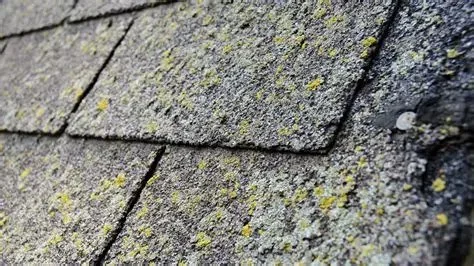
Algae and mold can be a common issue for homeowners, especially in areas with high humidity and rainfall. Algae growth on roof shingles and siding is particularly common in the warmer months, while mold thrives in moist, shaded areas. Understanding the biology behind these growths can help you better prevent them.
Algae are microscopic organisms that thrive on surfaces exposed to moisture, especially when organic matter, such as dirt or leaves, accumulates. Mold, on the other hand, is a fungus that grows in areas with prolonged exposure to moisture, and it can lead to structural damage if left untreated.
Robinson Brothers Roofing & Construction
11333 Westmoor Dr, Richmond, TX 77407, USA
2. Why Algae and Mold Are Problematic
While algae and mold are common in many environments, their growth can lead to serious problems if left unchecked. Algae can create unsightly black streaks on roof shingles and siding, which not only affects the appearance of your home but also promotes the buildup of debris. This debris can further trap moisture, exacerbating the mold problem.
Mold is even more dangerous because it can degrade the quality of the materials on your roof and siding, leading to rot and weakening the structure of your home. In severe cases, mold can also pose a health risk, especially for individuals with allergies or respiratory issues.
3. Preventive Measures for Algae and Mold
There are several preventive measures you can take to keep algae and mold at bay:
1. Regular Cleaning
One of the most effective ways to prevent algae and mold growth is through regular cleaning of your roof shingles and siding. This helps remove any organic material or dirt that could feed the algae or mold. Use a soft brush or pressure washer with a mild cleaning solution to clean your home’s exterior at least once or twice a year, depending on the climate in your area.
2. Install Zinc or Copper Strips
Zinc and copper are natural mold and algae inhibitors. Installing zinc or copper strips along the ridge of your roof can help prevent the growth of algae by releasing ions that are toxic to these organisms. As rainwater flows over the strips, it carries the protective ions down the roof, keeping it cleaner for longer.
3. Trim Overhanging Trees
Excessive shade on your roof and siding can promote mold growth, especially if the area remains damp for long periods. Trim back any overhanging branches to allow more sunlight to reach your home’s exterior. Sunlight naturally dries out moisture, which can help reduce the conditions that encourage mold and algae growth.
4. Cleaning and Maintaining Roof Shingles
Roof shingles are particularly vulnerable to algae and mold growth, so it’s essential to clean and maintain them regularly. Here are some cleaning tips:
1. Use the Right Cleaning Solutions
When cleaning roof shingles, always use a solution specifically designed for roof maintenance. Avoid harsh chemicals that could damage your shingles. A mixture of water, oxygen bleach, and mild dish soap can help clean the shingles without harming the material.
2. Power Washing Caution
While power washing is an effective method for removing debris, it’s important to use the correct pressure to avoid damaging the shingles. Too high of a pressure setting can dislodge granules or even crack shingles. If you’re not sure about the right pressure, it’s best to hire a professional to clean your roof.
3. Gutter Maintenance
Clogged gutters can cause water to pool on the roof, contributing to mold and algae growth. Regularly clean your gutters to ensure proper water flow and to prevent debris buildup that could lead to mold growth on your roof and siding.
5. Choosing the Right Materials for Long-Term Prevention
When building or renovating your home, consider materials that are resistant to algae and mold growth. For example, fiberglass-based shingles are less prone to algae growth than traditional asphalt shingles. Additionally, some siding materials, such as vinyl or fiber cement, are more resistant to moisture and mold growth compared to wood siding.
6. How Total Roofing Hub Can Help
At Total Roofing Hub, we offer expert advice and products to help you protect your home from mold and algae. Whether you’re looking for high-quality shingles, cleaning solutions, or professional maintenance services, we have the tools and resources you need to maintain the integrity of your home’s exterior. Visit our website for more information on products and services tailored to your needs.
 Accuracy Painting5.0 (54 reviews)
 Nurse Stucco Inc4.0 (16 reviews)
 Whitrock Associates Inc II3.0 (48 reviews)
 B & W Roofing and Gutters4.0 (50 reviews)
 Roofing Systems Incorporated5.0 (6 reviews)
 P91 Roofing4.0 (66 reviews)
 The Environmental Benefits of a Cool Roof: Reduce Heat and Energy Costs
 Role of Roof Underlayment in Preventing Ice Dams & Leaks
 Roof Underlayment Tear-Off vs Overlay Costs: What You Need to Know
 Best Roofing Materials to Prevent Mold & Mildew Growth
 How to Deal with Roof Moss & Lichen without Damage
 Should I Repair or Replace My Roof? Expert Guide for Homeowners