- Why Consider Roof Coatings?
- The Key Benefits of Roof Coatings
- Different Types of Roof Coatings
- How to Apply Roof Coatings: Step-by-Step Guide
- Real-Life Case: A Homeowner's Roof Coating Experience
- Recommendations for Choosing the Right Roof Coating
Why Consider Roof Coatings?
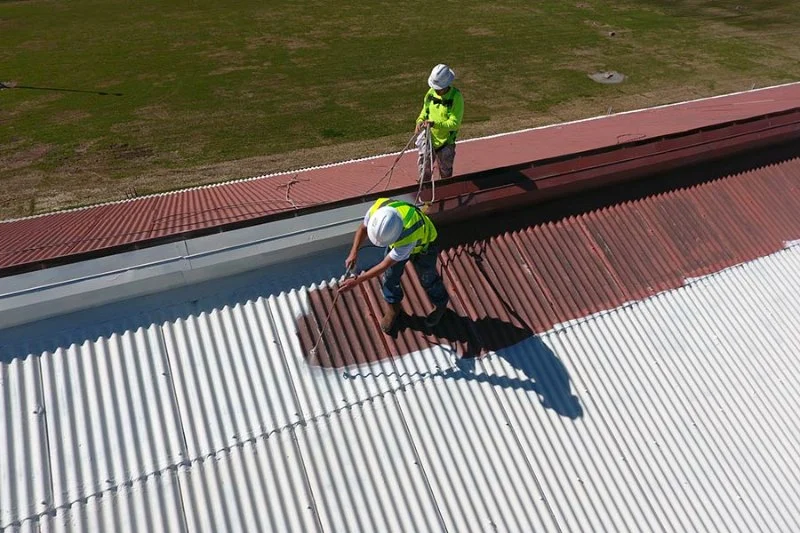
Roof coatings are an often-overlooked solution for improving the durability, energy efficiency, and protection of your roof. Whether you have a flat or sloped roof, applying a high-quality coating can extend the lifespan of your roof and help prevent costly repairs in the future. Roof coatings are applied directly to your existing roofing material, creating a protective layer that enhances your roof’s ability to withstand the elements.
In areas where weather conditions can be extreme, or if your roof is showing signs of wear and tear, roof coatings can serve as an effective solution. They offer an affordable way to enhance your roof’s performance without the need for a full replacement. However, before diving into an application, it's essential to understand the various benefits and the correct way to apply these coatings.

The Key Benefits of Roof Coatings
Roof coatings offer a wide range of benefits, making them a popular choice for homeowners and commercial property owners alike. Some of the key advantages of roof coatings include:
- Enhanced Durability: Roof coatings provide an extra layer of protection against harsh weather conditions, UV rays, and physical wear. This added layer helps your roof resist cracking, peeling, and degradation, ultimately extending its lifespan.
- Improved Energy Efficiency: Many roof coatings have reflective properties that help reduce heat absorption. By reflecting sunlight, they can significantly lower the temperature inside your building, resulting in lower energy costs, particularly during hot months.
- Cost-Effective Alternative: Instead of replacing your entire roof, applying a roof coating is a more affordable option. It can rejuvenate aging roofs and prevent the need for expensive repairs or replacements, saving you money in the long run.
- Water Resistance: Roof coatings create a waterproof barrier that can protect against leaks and water damage. This is particularly important for flat roofs or roofs that have experienced frequent water pooling.
- Eco-Friendly: Roof coatings are often made with sustainable materials and can contribute to a greener, more environmentally friendly home or building. Many coatings are also designed to be reflective, which can help reduce the urban heat island effect.
These benefits make roof coatings an excellent investment for improving your roof’s performance, especially if you're looking for a long-term, low-maintenance solution.
Extreme Exterior Cleaning Inc
West SpringfieldHampden CountyMassachusetts
57 Amherst St, West Springfield, MA 01089, USA
Different Types of Roof Coatings
There are various types of roof coatings available, each designed to address specific roofing needs. Understanding the differences between these types will help you choose the best coating for your roof. Some of the most common types of roof coatings include:
- Elastomeric Coatings: Known for their flexibility, elastomeric coatings are ideal for roofs that expand and contract due to temperature changes. These coatings are highly durable and can bridge cracks and seams, making them a popular choice for flat roofs.
- Polyurethane Coatings: Polyurethane coatings are highly resistant to abrasion and chemical damage. They provide excellent protection for roofs in environments that experience high traffic or exposure to harsh chemicals.
- Silicone Coatings: Silicone roof coatings are known for their water resistance and UV stability. They are particularly effective in areas with frequent rainfall and offer long-lasting protection against water infiltration.
- Aluminum Coatings: Aluminum roof coatings are often used on metal roofs to provide a reflective surface that enhances energy efficiency. These coatings are durable and resistant to UV degradation, making them a good choice for hot climates.
Choosing the right type of roof coating depends on your roof’s material, the local climate, and the specific performance characteristics you're seeking. Each type offers unique advantages, so understanding these options is key to ensuring the best protection for your roof.
How to Apply Roof Coatings: Step-by-Step Guide
Applying a roof coating is a relatively simple process, but it requires attention to detail to ensure the best results. Here’s a step-by-step guide to applying roof coatings:
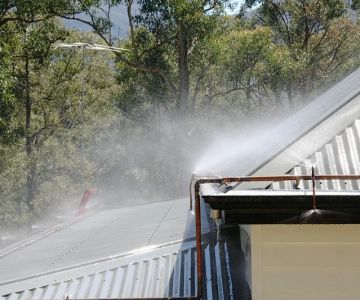
- Preparation: Start by cleaning your roof thoroughly. Remove debris, dirt, and any loose materials to ensure proper adhesion. If necessary, power wash the roof to remove stubborn dirt or algae.
- Repairs: Inspect the roof for any damage or cracks. If you find any issues, make necessary repairs before applying the coating. This may include patching holes or sealing seams.
- Choose the Right Coating: Select a roof coating that is suitable for your roof type and the climate in your area. Follow the manufacturer’s recommendations to ensure you’re using the correct product.
- Apply the Coating: Use a roller, brush, or spray equipment to apply the coating evenly across the roof surface. Be sure to cover all areas, paying extra attention to seams and edges. Apply a second coat if necessary, depending on the product’s instructions.
- Allow to Cure: Let the coating cure properly before allowing foot traffic or exposure to rain. Curing time may vary depending on the type of coating and the weather conditions.
Proper application is key to ensuring that the roof coating provides maximum protection and longevity. If you're unsure about applying the coating yourself, it may be worth consulting a professional roofing contractor.
Real-Life Case: A Homeowner's Roof Coating Experience
One homeowner in Southern California, Sarah, decided to apply a silicone roof coating to her flat roof after noticing increasing energy bills due to heat absorption. After following the preparation and application steps outlined above, Sarah noticed an immediate improvement. The reflective surface of the silicone coating reduced the amount of heat entering her home, and her air conditioning bill dropped by 15% during the summer months. Furthermore, the coating protected her roof from occasional rain, preventing water damage and extending the life of her roof.
This real-life example highlights how roof coatings can improve both the functionality and energy efficiency of a home, offering long-term benefits for those looking to protect their roofs and reduce maintenance costs.
Recommendations for Choosing the Right Roof Coating
Before applying a roof coating, here are a few recommendations to consider:
- Assess Your Roof’s Condition: Ensure your roof is in good condition before applying any coating. Address any underlying issues like leaks or cracks before applying a coating to prevent further damage.
- Consider the Climate: Choose a coating that is suitable for the weather conditions in your area. For example, silicone coatings are ideal for rainy regions, while reflective coatings are better suited for hot climates.
- Consult a Professional: If you're unsure about the best coating for your roof, or if the job seems too complex, consider consulting a roofing professional for advice and assistance with the application process.
For expert guidance and quality products, visit Total Roofing Hub for the best roof coatings and roofing services available. We can help you choose the right products and ensure your roof stays in top condition for years to come.
 Marc Joseph remodeling5.0 (1 reviews)
 PRS Roofing Inc5.0 (9 reviews)
 KAPS CONSTRUCTION4.0 (5 reviews)
 Marshall Exteriors, LLC4.0 (213 reviews)
 S.W.A.T. Roofing & Consulting4.0 (46 reviews)
 MATFI RENOVATIONS LLC5.0 (23 reviews)
 Siding Material Fire Ratings: What’s Required & What to Choose
 Roof Talk: Common Terminology Every Homeowner Should Know
 How Often Should You Replace Your Home's Siding? Expert Tips on Siding Longevity
 The Average Lifespan of Asphalt Shingle Roofs: How Long Do They Last?
 How to Choose a Reliable Roofing Contractor Near You | Top Tips and Questions
 Should I Repair or Replace My Roof? – Expert Guide for U.S. Homeowners