
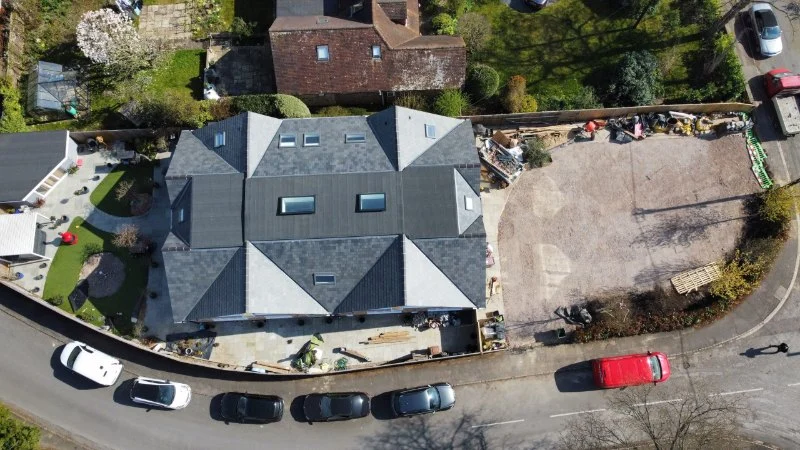
After the Storm: How to Identify Roofing Problems Before They Get Worse
- understanding-why-heavy-rain-causes-hidden-roofing-damage
- key-exterior-signs-of-roof-damage-after-storms
- interior-warning-signs-that-often-go-unnoticed
- real-homeowner-story-of-storm-damage-discovery
- how-to-prevent-future-roofing-issues-after-heavy-rain
Understanding Why Heavy Rain Causes Hidden Roofing Damage
Heavy rain is one of the most common causes of roofing damage, yet many homeowners underestimate its long-term impact. While a roof may appear intact immediately after a storm, water can slowly penetrate small weaknesses in shingles, flashing, or underlayment. Over time, these hidden issues can escalate into major leaks or structural deterioration.
The danger lies in the delayed visibility of damage. Unlike wind or hail damage, which can be obvious, rain-related roofing problems often develop silently. Moisture trapped beneath roofing layers can weaken wood structures, encourage mold growth, and compromise insulation efficiency.

Dc Home Renovations Inc.
Los AngelesLos Angeles CountyCalifornia
825 S Hill St, Los Angeles, CA 90014, USA
Key Exterior Signs of Roof Damage After Storms
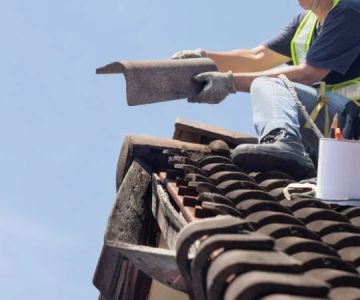
A careful exterior inspection is the first step in identifying roofing damage signs after heavy rain. Homeowners should look for displaced or missing shingles, as these are often the earliest indicators of storm impact. Even a single lifted shingle can allow water intrusion.
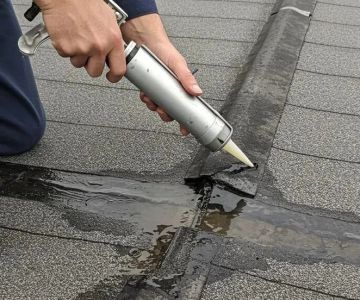
Another critical area is the flashing around chimneys, skylights, and vents. If flashing is bent, loose, or corroded, it may no longer provide a watertight seal. Gutters should also be checked for granule buildup, which often signals shingle deterioration.
Sagging roof sections are a more serious warning sign. This may indicate water pooling beneath the surface, which requires immediate attention. In such cases, consulting professionals through Total Roofing Hub can help homeowners assess the severity before damage spreads.
Interior Warning Signs That Often Go Unnoticed
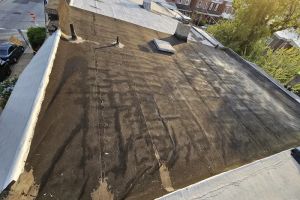
Not all roofing damage is visible from the outside. Inside the home, subtle clues often reveal the true condition of the roof. Water stains on ceilings or upper walls are among the most common indicators of a roof leak.
Homeowners should also watch for peeling paint, bubbling drywall, or a musty odor in attic spaces. These signs typically suggest long-term moisture exposure, even if no active dripping is visible.
In one case reported by a homeowner in Florida, a small ceiling stain after a tropical storm was initially ignored. Weeks later, it expanded into a full attic mold issue, requiring extensive repairs. Early detection could have prevented most of the damage.
Real Homeowner Story of Storm Damage Discovery
A family in Texas shared their experience after a severe summer storm brought heavy rainfall and strong winds. At first glance, their roof looked completely fine. However, two weeks later, they noticed subtle water marks near a bedroom corner.
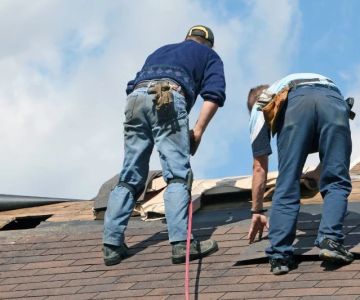
After inspection, they discovered that several shingles had been slightly lifted during the storm, allowing water to seep in gradually. The damage was not immediately visible from the ground, which is a common issue with heavy rain roof inspection scenarios.
They later learned that acting quickly would have reduced repair costs significantly. With guidance from roofing professionals and educational resources like Total Roofing Hub, they implemented a better post-storm inspection routine for future weather events.
How to Prevent Future Roofing Issues After Heavy Rain
Prevention is always more cost-effective than repair when it comes to roofing maintenance. One of the most effective strategies is conducting regular roof inspections, especially after storms. Even if no visible damage is present, checking for early warning signs can prevent major issues later.
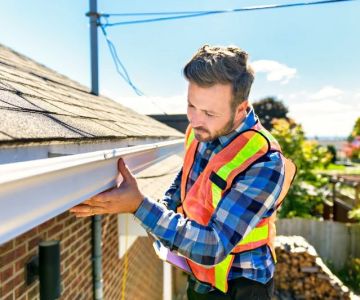
Cleaning gutters regularly is another essential step. Blocked gutters can cause water to back up onto the roof surface, increasing the risk of leaks and structural strain. Trimming overhanging tree branches also reduces debris accumulation and storm-related impact.
Applying protective coatings or upgrading to storm-resistant shingles can further strengthen roof durability. These materials are designed to withstand heavy rain and wind exposure more effectively than standard roofing systems.
Ultimately, understanding roofing damage signs and acting promptly after storms can save homeowners from expensive repairs and long-term structural problems. Staying proactive ensures that your home remains safe, dry, and structurally sound throughout the year.
 Parabella Roofing5.0 (3 reviews)
 Eustis Roofing4.0 (153 reviews)
 Lewis Roofing4.0 (21 reviews)
 Barranco Roofing4.0 (22 reviews)
 Clarke Roofing & Siding5.0 (80 reviews)
 352 Roofing & Gutters4.0 (19 reviews)
 How to Choose a Reliable Roofing Contractor Near You
 Siding Expansion & Contraction: Causes & How to Mitigate
 Siding Contractor Red Flags: What to Watch For
 How Roofing Impacts Indoor Soundproofing
 Why Proper Attic Insulation Helps Protect Your Roof Year-Round
 How to Protect Your Roof from Long-Term Wear and Tear