
- Understanding Roof Strength Over Time - structural stress and aging factors
- Spring and Summer Roof Care Strategies - heat, UV, and storm preparation
- Fall Maintenance and Gutter Protection - preventing seasonal water damage
- Winter Roof Strength Protection - snow load and ice dam prevention
- Storm Season Preparedness - wind and impact resistance strategies
- Real Homeowner Case Studies - seasonal damage and recovery stories
- Inspection and Preventive Maintenance Cycles - professional scheduling strategy
- Repair vs Reinforcement Planning - long-term structural decisions
- Professional Roofing Support via Total Roofing Hub - expert seasonal solutions
Understanding Roof Strength in Year-Round Conditions
Roof strength is not a static condition—it changes constantly with exposure to weather, temperature fluctuations, and environmental stress. In the United States, where climate conditions vary drastically from state to state, maintaining roof durability requires continuous attention rather than occasional repair.
When discussing how to maintain roof strength in all seasons, it is important to understand that every season introduces different structural challenges. Heat expansion in summer, moisture accumulation in spring, debris buildup in fall, and snow load in winter all contribute to long-term roof fatigue.
Most homeowners assume a roof only weakens during storms, but in reality, gradual deterioration often causes more damage than sudden weather events. Small issues such as loose shingles or clogged drainage systems can quietly reduce structural integrity over time.
A properly maintained roof functions as a layered system where each component—shingles, underlayment, flashing, and decking—must work together. If one layer fails, the entire system becomes vulnerable to seasonal stress.
Spring and Summer Roof Care for Heat and Storm Protection
Spring and summer are critical periods for roof maintenance because they follow winter stress and precede peak storm activity in many parts of the United States.
During spring, melting snow and heavy rain can expose weaknesses in roofing systems. This is the ideal time for a thorough inspection to identify leaks, cracked shingles, or weakened flashing.
Summer introduces a different challenge: intense heat and ultraviolet radiation. Over time, UV exposure can dry out roofing materials, causing them to become brittle and less flexible. This increases the risk of cracking during sudden temperature shifts.
One homeowner in Nevada noticed repeated shingle curling every summer. After installing reflective roofing materials and improving attic ventilation, roof surface temperatures dropped significantly, reducing material stress.
Storm preparation is also essential during this season. Reinforcing vulnerable edges and ensuring proper fastening systems can prevent wind uplift during thunderstorms and hurricanes.

Rejuven8 Roofing and Restoration
7600 Chevy Chase Dr ste 300 bldg 2, Austin, TX 78752, USA
Fall Roof Maintenance and Gutter Protection Systems
Fall is often overlooked, but it is one of the most important seasons for maintaining roof strength. Falling leaves, debris accumulation, and early rainfall create conditions that can lead to water blockage and structural strain.
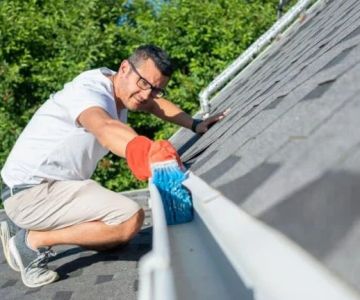
Clogged gutters are one of the leading causes of roof water damage in residential homes. When drainage systems fail, water begins to pool on the roof surface, increasing the risk of leaks and rot.
In many regions, homeowners prepare for winter by clearing gutters, trimming nearby tree branches, and inspecting drainage slopes. These simple actions significantly reduce winter roof stress.
A homeowner in Pennsylvania shared how ignoring gutter cleaning led to water overflow that eventually damaged both roofing edges and interior ceiling drywall. After repairs, a seasonal maintenance schedule was implemented, preventing recurrence.
Fall maintenance is essentially a preventive shield for winter. Without it, even strong roofs can struggle under snow and ice conditions.
Winter Roof Strength Protection and Snow Load Management
Winter presents some of the most demanding conditions for roofing systems. Snow accumulation adds significant weight, while freeze-thaw cycles create expansion stress within roofing materials.
One of the biggest threats during winter is ice dam formation. This occurs when heat escaping from the attic melts snow, which then refreezes at roof edges, blocking drainage paths and forcing water underneath shingles.
Proper insulation and ventilation are essential to prevent this issue. By maintaining consistent roof temperatures, homeowners can reduce uneven melting patterns that lead to ice buildup.
In northern states such as Minnesota and Wisconsin, roofs are often engineered with steeper slopes to naturally shed snow and reduce load stress. However, even well-designed roofs require ongoing maintenance.
A real case involved a Chicago homeowner who experienced repeated ceiling leaks every winter. After upgrading attic insulation and sealing air leaks, ice dam formation stopped completely, restoring roof stability.
Storm Season Preparedness and Structural Reinforcement
Storm seasons, particularly in coastal and central U.S. regions, can severely test roof strength. High winds, hail, and heavy rain can expose even minor weaknesses in roofing systems.
Wind damage often begins at roof edges, where shingles are most vulnerable. Once lifted, water infiltration becomes a secondary risk that can lead to internal structural damage.
Hail impacts can remove protective granules from shingles, reducing their ability to block UV rays and accelerating long-term deterioration.
After major storm events, roofing inspections are essential. Many forms of damage are not immediately visible but can worsen significantly over time if left unaddressed.
A homeowner in Texas reported that after a hailstorm, the roof appeared intact from ground level. However, a professional inspection revealed widespread micro-fractures that would have led to leaks within months if untreated.
Real Homeowner Seasonal Roof Damage Experiences
One homeowner in Florida experienced recurring roof leaks every summer storm season. Initial repairs focused only on visible shingle damage, but the underlying decking had weakened due to prolonged moisture exposure. A full structural repair was eventually required.
In contrast, a homeowner in Colorado implemented a year-round maintenance plan after experiencing storm damage in previous years. Regular inspections and seasonal reinforcements prevented further major issues despite repeated severe weather events.
These cases highlight a key insight: roof strength is not about reacting to damage but preventing it through consistent care.
Many roofing failures are cumulative. Small seasonal oversights—such as delayed gutter cleaning or ignored minor leaks—often lead to major structural problems over time.
Inspection and Preventive Maintenance Cycles
Professional roofing experts recommend establishing a seasonal inspection cycle to maintain roof strength throughout the year. Ideally, inspections should occur at least twice annually—before and after extreme weather seasons.
During inspections, contractors assess shingles, flashing, drainage systems, attic ventilation, and signs of moisture intrusion. Early detection is critical in preventing structural degradation.
Homeowners should also conduct visual checks after storms or heavy snowfall. Missing shingles, sagging rooflines, or interior stains often indicate underlying issues.
Preventive maintenance is far more cost-effective than emergency repairs. Addressing small vulnerabilities early can extend roof lifespan significantly.
Repair vs Reinforcement in Long-Term Roof Strategy
One of the most important decisions in maintaining roof strength in all seasons is determining whether to repair existing damage or reinforce the entire system.
Minor issues such as isolated leaks or small shingle damage can typically be repaired effectively. However, repeated seasonal damage often indicates deeper structural weaknesses.
Reinforcement strategies include upgrading underlayment, improving ventilation systems, and strengthening fastening points. These improvements help the roof withstand future seasonal stress more effectively.
In many cases, homeowners who invest in reinforcement reduce long-term maintenance costs and avoid repeated emergency repairs.
Professional Roofing Support via Total Roofing Hub
Maintaining roof strength across all seasons requires both knowledge and proactive planning. Many homeowners find it challenging to manage seasonal risks without expert guidance.
Total Roofing Hub provides professional roofing solutions designed to help homeowners protect their properties year-round. From seasonal inspections to reinforcement planning, expert support ensures roofs remain durable under changing environmental conditions.
Whether dealing with winter ice dams, summer heat stress, or storm-related damage, professional evaluation helps identify risks before they become costly repairs.
Ultimately, long-term roof strength depends on consistent maintenance, seasonal awareness, and timely intervention when issues first appear.
 Santamaria Roofing Inc5.0 (27 reviews)
 CR3 American Exteriors4.0 (13 reviews)
 Southern Industries Home Improvements4.0 (627 reviews)
 Affordable Windows3.0 (26 reviews)
 Express Roofing & Remodeling LLC4.0 (31 reviews)
 Garcia Roofing0.0 (0 reviews)
 Top 10 Signs Your Roof Needs Immediate Repair
 How to Choose Roof Underlayment Based on Climate: Expert Guide for Homeowners
 What to Know About Roof Replacement During Real Estate Sale: Key Insights
 Siding Boards That Resist Fading & Discoloration
 The Complete Guide to Metal Roofing Systems
 Best Ways to Inspect Your Siding After Summer Storms