
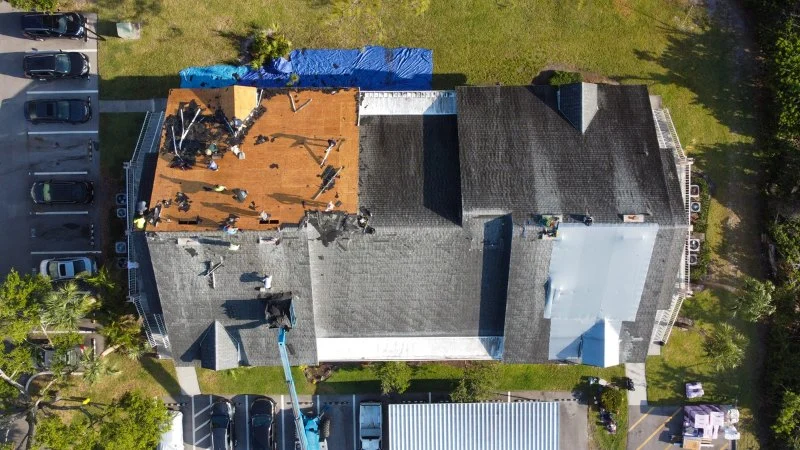
- roof inspection basics-storm damage asphalt shingles identification methods
- wind and hail effects-roof hail damage signs and wind damaged shingles patterns
- hidden roof issues-asphalt shingle inspection for leaks and granule loss
- homeowner checklist-roof storm damage checklist after severe weather
- repair decisions-missing shingles repair and when to call professionals
When a Storm Passes, Your Roof Tells a Story
After a heavy storm rolls through, most homeowners focus on fallen branches, power outages, or water in the yard. But the real damage is often above your head. Understanding how to identify storm damage on asphalt shingles can be the difference between a small repair and a full roof replacement.
Asphalt shingles are designed to handle tough weather, but they are not indestructible. Wind uplift, hail impact, and prolonged rain exposure all leave subtle signs that many people overlook until a leak appears weeks later.

Understanding What Storm Damage Actually Looks Like
Wind Impact and Lifted Shingles
Strong winds don’t always remove shingles immediately. Instead, they loosen the adhesive seal, lifting edges just enough for future water intrusion. These wind damaged shingles often curl slightly or appear misaligned when viewed from the ground.
A homeowner in Oklahoma once ignored minor curling after a spring storm. Months later, a ceiling stain revealed that wind had broken the seal across multiple roof sections, allowing slow water penetration that went unnoticed.

Hail Damage and Surface Bruising
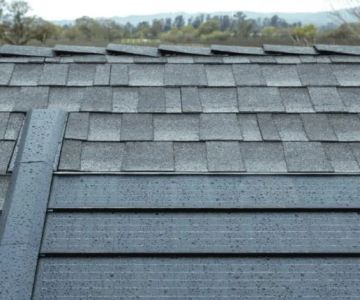
One of the most misunderstood forms of roof hail damage signs is granule loss. Hail doesn’t always create obvious holes. Instead, it compresses the asphalt surface, knocking off protective granules and exposing the underlying material.
This exposure accelerates aging. In severe cases, you may notice dark “soft spots” or circular marks that feel slightly indented when carefully touched (only from safe ladder access or ground-level inspection tools).
Water Intrusion After Heavy Rain
Storm damage is not always visible externally. A roof leak after storm events often begins at weakened nail points or compromised shingle layers. Water then travels sideways before appearing indoors, which makes detection tricky.
Homeowners sometimes mistake these leaks for plumbing issues, delaying roof repairs and increasing structural damage risk.
How Asphalt Shingle Damage Develops Over Time
Layered Construction Weakness Points
An asphalt shingle system is built in layers: fiberglass mat, asphalt coating, and protective granules. When storms hit, each layer reacts differently. The granules protect against UV rays, while the asphalt layer provides waterproofing.
Once storm impact compromises the granules, the underlying asphalt dries faster, leading to cracking and brittleness. This is why early asphalt shingle inspection matters after every major weather event.
Edge Vulnerability and Ridge Exposure
Roof edges and ridge lines are most exposed to wind uplift. Even moderate storms can loosen nails or weaken adhesive bonds in these areas, creating entry points for future storms.
Many professional inspectors report that nearly 60% of storm-related roof failures begin at ridge caps or edge shingles rather than the center field.
A Real-World Scenario: The “Invisible Damage” Problem
In Florida, a homeowner experienced a severe thunderstorm season with multiple hail events. The roof looked fine from the street, but subtle granule loss went unnoticed.
Six months later, mold appeared in the attic insulation. The root cause was traced back to hidden hail damage that slowly reduced waterproofing efficiency. The repair cost was significantly higher than if early inspection had been performed.
This type of situation is more common than most people realize, especially in regions with frequent seasonal storms.
Step-by-Step Approach to Checking Your Roof After a Storm
Ground-Level Visual Inspection
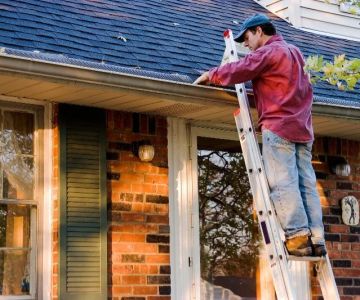
Start by walking around your home. Look for shingles on the ground, debris in gutters, and uneven roof lines. While this doesn’t confirm damage, it provides early warning signs.
Gutter and Downspout Clues
Granule accumulation in gutters is a strong indicator of hail impact. A small amount is normal over time, but a sudden buildup after a storm signals accelerated surface wear.
Interior Ceiling and Attic Check
Inspect ceilings for discoloration, bubbling paint, or soft drywall spots. In the attic, look for damp insulation or light penetration through roof boards.
Professional-Level Roof Assessment
While DIY inspection helps, many issues require trained eyes. Platforms like Total Roofing Hub connect homeowners with experienced roofing specialists who can assess storm damage accurately and recommend whether repair or replacement is needed.
Common Mistakes Homeowners Make After Storms
Assuming No Visible Damage Means Safety
One of the biggest misconceptions is believing that a roof is fine if no shingles are missing. Many forms of storm damage asphalt shingles experience are internal or subtle.
Delaying Inspection Too Long
Waiting months before checking the roof often leads to worsening conditions. Small leaks expand, wood rot begins, and insulation loses effectiveness.
Using Inexperienced Repair Methods
Temporary fixes like sealant patches may hide symptoms but do not resolve structural damage. Improper repairs can void warranties and increase long-term costs.
Why Early Detection Matters More Than Ever
Modern weather patterns have become more unpredictable, with stronger wind bursts and more frequent hailstorms in many U.S. regions. Asphalt shingles remain a popular roofing choice, but they require timely inspection after storms to maintain durability.
Early detection not only prevents leaks but also preserves property value and avoids emergency repairs during harsh weather seasons.
When Repair Becomes a Smarter Investment Than Replacement
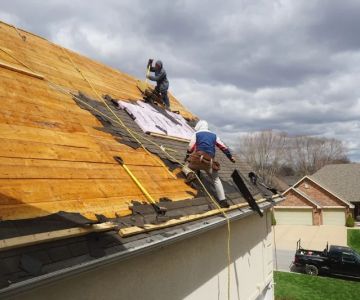
Not all storm damage requires a full roof replacement. If damage is localized—such as a small section of missing shingles repair or limited granule loss—targeted repairs may extend roof life significantly.
However, widespread curling, multiple leak points, or repeated storm exposure may indicate structural fatigue that warrants replacement evaluation.
Final Practical Insight for Homeowners
Storms are unpredictable, but your response doesn’t have to be. Knowing how to identify storm damage on asphalt shingles gives you control over repair timing, cost, and safety outcomes.
A careful inspection routine after every major storm—combined with expert evaluation when needed—keeps your home protected year-round and prevents small issues from becoming major structural problems.
For homeowners looking for trusted guidance, inspection services, and repair options, Total Roofing Hub provides a reliable way to connect with roofing professionals who understand storm-related damage in detail.



 Infinite Roofing and Construction4.0 (41 reviews)
 RoofCrafters Roofing4.0 (51 reviews)
 Keystone Advanced Remodeling, LLC5.0 (85 reviews)
 Hannigan Roofing5.0 (14 reviews)
 Northamerican Roof Repair5.0 (2 reviews)
 Mastaba Roofing5.0 (9 reviews)
 How to Spot Hail Damage on Your Roof
 What to Expect During a Roof Inspection
 Why Regular Roof Maintenance Is Essential for Long-Term Savings
 How to Budget for a Roof Replacement Project: A Complete Guide
 How to Choose the Right Roof Slope for Snow Shedding
 What to Expect During a Roof Inspection: A Comprehensive Guide