
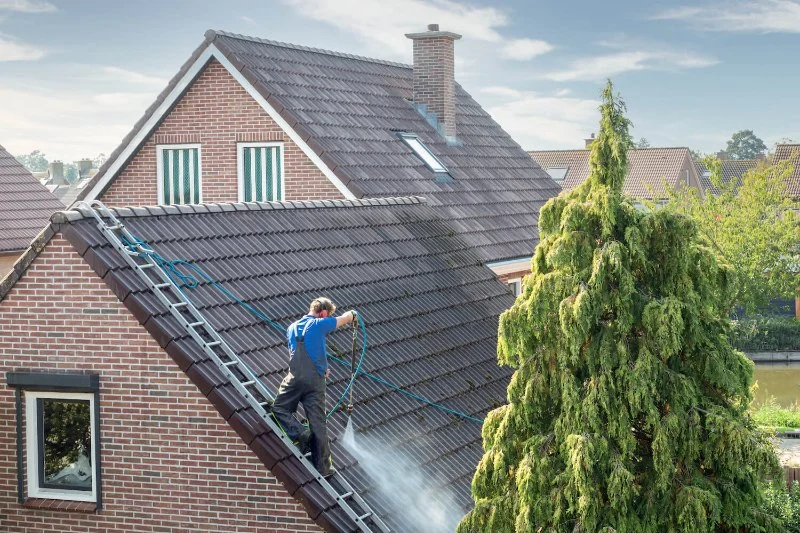
- roof-basics - understanding how roofs deteriorate over time
- maintenance-errors - common mistakes homeowners unknowingly make
- prevention-strategy - long-term methods to avoid structural damage
- seasonal-care - adapting roof care to weather changes
- real-examples - real-world cases of roof failure and lessons learned
How to Prevent Roof Damage from Improper Maintenance
Understanding how to prevent roof damage from improper maintenance is one of the most important responsibilities for any homeowner. A roof is not just a structural covering—it is the first line of defense against rain, wind, heat, and seasonal stress. Yet, many costly repairs come not from storms alone, but from small maintenance mistakes that slowly weaken the system over time.
Most roofing problems begin quietly. A missing shingle, clogged gutter, or unnoticed leak may not seem urgent, but over months or years, these minor issues can evolve into major structural damage. Proper roof maintenance tips are not just about repair—they are about prevention, awareness, and timing.
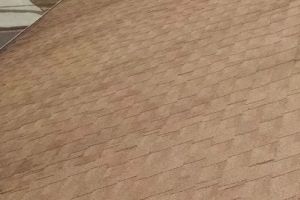
Why Improper Maintenance Leads to Serious Roof Damage
1. Small Issues Turn Into Structural Failures
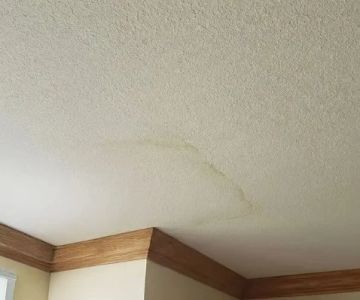
One of the most common problems in residential roofing is ignoring small warning signs. A lifted shingle or minor water stain can quickly expand into insulation damage or wood rot if left unchecked.
In many cases of improper roof maintenance risks, homeowners delay inspections because the roof still “looks fine” from the ground. Unfortunately, visible appearance rarely reflects internal condition.

Esh Home Improvement LLC
New HollandLancaster CountyPennsylvania
5257 Paes Rd, New Holland, PA 17557, USA
2. Water Intrusion Is the Silent Destroyer
Water is the most damaging force to roofing systems. Even a small leak can seep into layers beneath shingles, weakening structural supports and encouraging mold growth.
This is why roof leak prevention must be treated as an ongoing process rather than a reaction to visible damage.
3. Weather Exposure Accelerates Neglect
Roofs are constantly exposed to sun, rain, snow, and wind. Without consistent maintenance, these natural forces accelerate wear and tear.
Common Maintenance Mistakes Homeowners Make
1. Ignoring Regular Roofing Inspections
Many homeowners skip annual or seasonal inspections, assuming no visible damage means everything is fine. However, professional inspections often reveal hidden issues that prevent costly repairs later.
2. Improper Gutter Maintenance
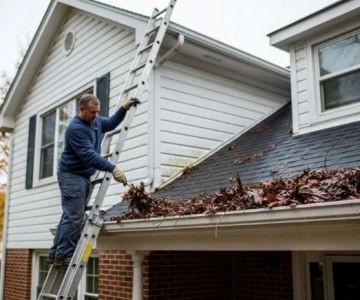
Clogged gutters are one of the leading causes of roof damage. When water cannot drain properly, it pools at the edges and seeps under roofing materials.
3. Delaying Minor Repairs
A common mindset is to “wait until it gets worse.” Unfortunately, roofing systems do not recover on their own. Small delays often multiply repair costs significantly.
Seasonal Roof Maintenance Strategy
1. Spring and Fall Inspections
Seasonal transitions are the best time to evaluate roof condition. Spring inspections help identify winter damage, while fall preparation ensures readiness for harsh weather.
A well-structured seasonal roof maintenance checklist includes shingle inspection, gutter cleaning, flashing checks, and attic ventilation review.
2. Summer Heat Protection
High temperatures can cause roofing materials to expand and contract. Over time, this weakens seals and increases vulnerability to cracks.
3. Winter Weather Readiness
Snow accumulation and ice dams are major risks in colder climates. Proper insulation and ventilation help reduce these issues significantly.
Real Case: A Preventable Roof Collapse Story
A homeowner in the Midwest once shared a case where minor roof staining was ignored for nearly two years. What started as a small leak near the chimney eventually led to widespread wood rot and partial ceiling collapse during heavy rainfall.
Inspection later revealed that early signs of damage were visible long before the failure occurred. The issue was not lack of repair options—but lack of timely attention. This real-world case highlights why home roofing care must be proactive rather than reactive.
Professional Prevention Techniques That Work
1. Scheduled Inspections by Roofing Experts
Professional inspections help identify hidden damage that is not visible from ground level. Experts use tools and experience to assess moisture levels, structural integrity, and material wear.
2. Proper Ventilation Systems
Good ventilation reduces heat buildup and moisture accumulation inside the attic, both of which contribute to roof deterioration.
3. High-Quality Material Maintenance
Using durable roofing materials reduces long-term maintenance needs. However, even high-quality roofs require routine care to maintain performance.
For homeowners looking to better understand repair tools, inspection services, and preventive solutions, Total Roofing Hub offers valuable resources for maintaining roof longevity and reducing unexpected repair costs.
Building a Long-Term Roof Protection Mindset
1. Maintenance as a Routine, Not a Reaction
The most effective roofing strategy is consistency. Treating maintenance as a regular responsibility rather than an emergency response significantly reduces risk.
2. Awareness of Early Warning Signs
Discoloration, sagging areas, and unexplained moisture in the attic should never be ignored. These are often early indicators of deeper structural issues.
3. Investment in Prevention Over Repair
Preventive care always costs less than emergency repairs. A small investment in inspections and upkeep can prevent thousands of dollars in future damage.

 Adams Maximum Painting4.0 (23 reviews)
 Everlast Roofing Experts5.0 (1 reviews)
 Surebuild Roofing LLC.4.0 (23 reviews)
 TALCO Home Improvements5.0 (15 reviews)
 Rand Hill Painters & Home3.0 (6 reviews)
 Power Roofing & Siding Brooklyn4.0 (25 reviews)
 Everything You Need to Know About Roof Warranties for Homeowners
 How Much Does a New Roof Cost in 2025? | Total Roofing Hub
 How to Match Roof Shingles with Your Siding Color
 The Pros and Cons of Vinyl Siding - Expert Roofing Advice
 What Government Rebates Exist for Roofing & Siding Upgrades
 Why Roof Inspections Are Essential After Every Major Storm