
- -importance-of-roof-performance-and-regular-inspections
- -early-warning-signs-of-roof-damage-and-leaks
- -seasonal-roof-maintenance-and-weather-impact
- -professional-roof-inspection-vs-diy-checks
- -real-homeowner-roof-damage-case-stories
- -how-routine-inspections-extend-roof-lifespan
- -best-practices-for-long-term-roof-protection
Importance of Roof Performance and Regular Inspections
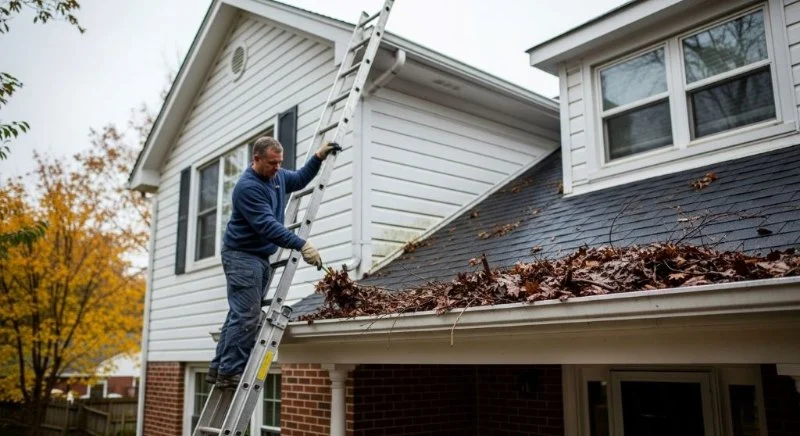
Understanding how to maintain roof performance with routine inspections is one of the most overlooked aspects of homeownership in the United States. Many homeowners only think about their roof when a leak appears or after a storm causes visible damage. By that point, repairs are often significantly more expensive than preventive maintenance would have been.
A roof is the first line of defense against rain, wind, snow, heat, and debris. In states with extreme weather conditions—such as heavy snowfall in the Midwest or hurricane seasons along the Gulf Coast—roof performance directly determines the safety and durability of the entire home structure.
Summer Roofing Inc
San MarcosSan Diego CountyCalifornia
1407 Rock Springs Rd, San Marcos, CA 92069, USA
Why Routine Roof Inspections Matter More Than Repairs
Repairs fix problems after they occur, but inspections prevent problems from escalating in the first place. Routine roof inspections allow homeowners to identify small issues like loose shingles or minor flashing gaps before they develop into structural leaks.
This proactive approach is what separates long-lasting roofs from those that fail prematurely.
Early Warning Signs of Roof Damage and Leaks
Subtle Exterior Changes Homeowners Often Miss
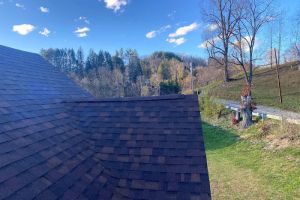
Many roof problems begin with subtle signs that are easy to overlook. Slight curling shingles, small dark patches, or uneven roof surfaces can indicate early deterioration.
These issues may not cause immediate leaks, but they weaken the roof’s ability to protect the home over time.
Interior Signs of Roof Problems
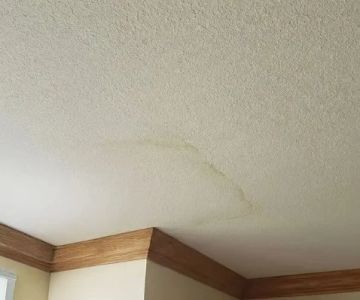
Not all roof damage is visible from the outside. Inside the home, water stains on ceilings, peeling paint near upper walls, or musty attic odors can signal roof leaks.
One homeowner in Pennsylvania discovered a long-term roof leak only after noticing a faint brown stain spreading across their bedroom ceiling. By the time it was inspected, moisture had already damaged insulation and wooden beams.
Seasonal Roof Maintenance and Weather Impact
How Weather Conditions Affect Roof Performance
Different seasons bring different challenges for roofing systems. In winter, ice dams can form along roof edges, preventing proper drainage. In summer, UV exposure can weaken shingles and cause material fatigue.
Heavy rainstorms and wind events can also loosen shingles or expose weak points in flashing systems.
Seasonal Inspection Timing Strategy
Experts recommend inspecting roofs at least twice a year—once in spring and once in fall. Spring inspections help identify winter damage, while fall inspections prepare the roof for snow and freezing conditions.
This routine significantly reduces the risk of unexpected leaks during extreme weather periods.
Professional Roof Inspection vs DIY Checks
What Homeowners Can Safely Inspect Themselves
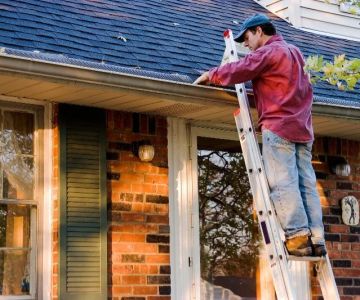
Homeowners can perform basic visual inspections from the ground or using binoculars. Checking for missing shingles, clogged gutters, and visible sagging areas can help identify early concerns.
However, safety should always come first. Climbing onto a roof without proper equipment or experience is not recommended.
Value of Professional Roofing Assessments
Professional roofers use specialized tools to detect hidden damage that is not visible to the untrained eye. This includes moisture detection, structural evaluation, and flashing integrity checks.
A professional inspection provides a complete overview of roof health and helps prioritize necessary repairs before damage spreads.
Real Homeowner Roof Damage Case Stories
Storm Damage in Florida Suburban Home
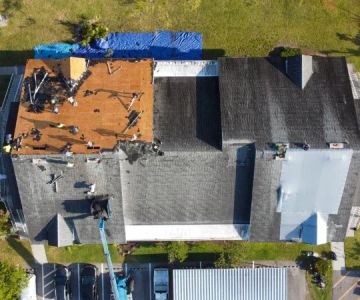
A homeowner in Florida experienced strong winds during hurricane season but initially saw no visible roof damage. Weeks later, water began leaking into the attic after heavy rainfall.
A professional inspection revealed that several shingles had been lifted and compromised, allowing water infiltration over time. Early inspection after the storm could have prevented interior damage.
Slow Roof Deterioration in Colorado
In Colorado, a family noticed increasing heating costs during winter. A roof inspection later revealed poor insulation combined with minor roof gaps that allowed warm air to escape.
Addressing these issues not only improved roof performance but also reduced energy expenses significantly.
How Routine Inspections Extend Roof Lifespan
Preventing Small Issues from Becoming Major Repairs
Routine inspections allow homeowners to fix minor issues before they escalate. Replacing a few shingles or sealing small gaps is far less costly than repairing widespread water damage.
This preventive approach can add years to the overall lifespan of a roofing system.
Protecting Structural Integrity Over Time
A well-maintained roof protects more than just the exterior—it safeguards insulation, wooden beams, electrical systems, and interior finishes.
Ignoring roof maintenance can lead to cascading damage throughout the home structure.
Energy Efficiency Benefits
A properly maintained roof improves energy efficiency by preventing air leaks and maintaining insulation performance. This leads to more stable indoor temperatures and lower utility bills.
Best Practices for Long-Term Roof Protection
Gutter Maintenance and Water Flow Control
Clogged gutters are one of the leading causes of roof damage. When water cannot drain properly, it can back up under shingles and cause leaks.
Regular gutter cleaning ensures proper water flow and reduces stress on roofing materials.
Tree Management and Debris Prevention
Overhanging branches can scrape roof surfaces during storms and drop debris that clogs drainage systems. Trimming nearby trees helps prevent physical and moisture-related damage.
Early Repairs and Material Matching
When damage is identified, timely repairs are crucial. Using compatible materials ensures the roof maintains structural consistency and performance.
Building a Proactive Roof Maintenance Mindset
Learning how to maintain roof performance with routine inspections is not just about fixing problems—it is about preventing them. Homeowners who adopt a proactive inspection routine experience fewer emergencies, lower repair costs, and longer-lasting roofing systems.
For homeowners looking to explore roofing tools, materials, and professional services, Total Roofing Hub offers guidance to help maintain strong roof performance through every season.
Consistent attention to roof health ensures that one of the most important parts of the home continues to perform reliably year after year.
 Pro Handyman solutions and Tile work.5.0 (102 reviews)
 Premium Roofing & Siding4.0 (10 reviews)
 DUCHESS ROOFING WHITTIER5.0 (8 reviews)
 Roof Maintenance Systems LLC4.0 (6 reviews)
 Austin Southwest Roofing4.0 (44 reviews)
 Affordable, LLC5.0 (15 reviews)
 How Often Should You Replace Your Home's Siding?
 How to Prevent Ice Dams on Metal Roofs: Essential Tips for Winter Protection
 How to Avoid Hidden Costs During a Roof Replacement: Essential Tips for Homeowners
 The Complete Guide to Metal Roofing Systems | Total Roofing Hub
 What to Do If You See Black Streaks on Your Roof or Siding
 Everything You Need to Know About Roof Warranties for Homeowners