
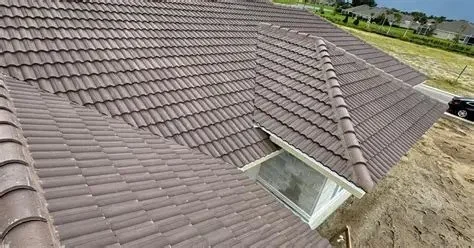
- 1. What Are Roof Warranties?
- 2. Types of Roof Warranties
- 3. What Roof Warranties Cover
- 4. How Long Do Roof Warranties Last?
- 5. How to Make the Most of Your Roof Warranty
- 6. Why Roof Warranties Are Essential
1. What Are Roof Warranties?
Roof warranties are agreements between the homeowner and the roofing company or manufacturer that provide coverage for repairs or replacements in case of defects or damage. These warranties are an essential part of any roofing project, offering peace of mind and financial protection. But what exactly is covered under a roof warranty? And how do you know if you have the right warranty for your needs? Let’s break it down.

1.1 Why Are Roof Warranties Important?
Having a roof warranty means that you have a safety net if something goes wrong with your roof after installation. Roofing is a significant investment, and unexpected issues can arise. A solid roof warranty ensures that the repair or replacement costs are covered, provided the issue falls within the warranty terms.

Ace Roofing Corporation
RockvilleMontgomery CountyMaryland
11140 Rockville Pike #400, Rockville, MD 20852, USA
2. Types of Roof Warranties
There are generally two types of roof warranties: manufacturer's warranties and contractor's warranties. Let’s dive into each type to see what they cover and how they differ.
2.1 Manufacturer’s Warranties
Manufacturer's warranties are provided by the roofing material manufacturer and typically cover defects in the materials themselves. These warranties usually last for a long period, sometimes up to 50 years. They protect homeowners from issues like material failures, such as shingles cracking, warping, or losing their protective coatings.
2.2 Contractor’s Warranties
Contractor's warranties, on the other hand, are provided by the roofing contractor. These warranties typically cover installation defects or mistakes made during the roof’s installation. Contractor warranties are usually shorter, ranging from 1 to 10 years. If the contractor doesn’t properly install your roof, the warranty will cover the cost of repairs.
3. What Roof Warranties Cover
Roof warranties can vary significantly depending on the provider and the type of warranty. However, there are common elements that most warranties will cover. Let’s break them down:
3.1 Material Defects
One of the main things covered by both manufacturer and contractor warranties is defects in roofing materials. This includes issues like premature aging, material failures, or if the materials don't perform as advertised. If you experience such problems within the warranty period, the warranty should cover the cost of repairs or replacement.
3.2 Installation Issues
Contractor warranties are especially important because they cover installation issues. If a roof is not installed properly, it can cause leaks, poor insulation, or even structural damage. A good contractor's warranty ensures that the contractor will come back and correct any installation-related issues without additional cost to you.
3.3 Workmanship
Alongside material defects, warranties often cover the quality of the craftsmanship or workmanship. This ensures that the roof was installed to the highest standards, and if there are problems with the quality of the installation, the warranty will cover the necessary fixes.
4. How Long Do Roof Warranties Last?
The length of a roof warranty depends on the type and provider, but here are general guidelines:
4.1 Manufacturer’s Warranty Duration
Manufacturer warranties typically last between 20 and 50 years. Some may even be transferable if you decide to sell your home. However, coverage can vary greatly depending on the materials used. For instance, asphalt shingles may come with a 20-30 year warranty, while metal or slate roofs may offer much longer warranties.
4.2 Contractor’s Warranty Duration
Contractor warranties are usually much shorter, ranging from 1 year to 10 years. These warranties cover installation defects, so once the time is up, the contractor is no longer liable for the quality of the work.
5. How to Make the Most of Your Roof Warranty
To ensure that your roof warranty remains valid and that you make the most of it, here are some tips:
5.1 Regular Inspections
One of the best ways to keep your roof in good shape is by scheduling regular inspections. Roofing companies often offer yearly or bi-annual inspections to check for any issues. Keeping your roof well-maintained helps avoid problems that could void your warranty.
5.2 Proper Maintenance
Maintaining your roof can help extend the life of your warranty. This includes cleaning gutters, checking for debris, and addressing minor repairs before they become major issues. Neglecting maintenance could lead to damage, which might not be covered by the warranty.
5.3 Know the Terms
Before signing any warranty, it's crucial to thoroughly read the terms and conditions. Understanding what is covered and what isn't can prevent confusion down the road. Some warranties may not cover damage caused by improper maintenance or weather-related issues.
6. Why Roof Warranties Are Essential
Roof warranties provide peace of mind and long-term protection. Since a roof is one of the most expensive parts of your home, having a warranty ensures that you're covered if something goes wrong. Whether you opt for a manufacturer's warranty, contractor's warranty, or both, having this safety net can save you from costly repairs or replacements.
If you’re considering a new roof or roof replacement, make sure to discuss warranty options with your contractor. A solid warranty can protect your investment for years to come.
Need expert advice or quality roofing materials? Visit Total Roofing Hub for the best products and services to protect your home!

 Skyline Designs Roofing5.0 (99 reviews)
 Perfect Roofing Installations4.0 (60 reviews)
 Dog Tags Construction LLC4.0 (16 reviews)
 Gutter Shutter of Central Maryland5.0 (9 reviews)
 Sam Cline Handyman Services4.0 (37 reviews)
 Paramount Builders Inc.4.0 (302 reviews)
 Should I Repair or Replace My Roof?
 Top 10 Signs Your Roof Needs Immediate Repair Before It’s Too Late
 The Pros and Cons of Vinyl Siding: Is It the Right Choice for Your Home?
 How to Choose a Reliable Roofing Contractor Near You – Expert Tips
 Top 10 Signs Your Roof Needs Immediate Repair You Shouldn’t Ignore
 How to Spot Hail Damage on Your Roof | Quick Guide for Homeowners