
Why Roof Inspections Reveal Problems You Cannot See From the Ground
- hidden-damage-detection - structural weakness moisture intrusion material fatigue
- preventive-maintenance-value - early intervention reduced repair costs extended lifespan
- roof-system-complexity - layered structure ventilation drainage insulation interaction
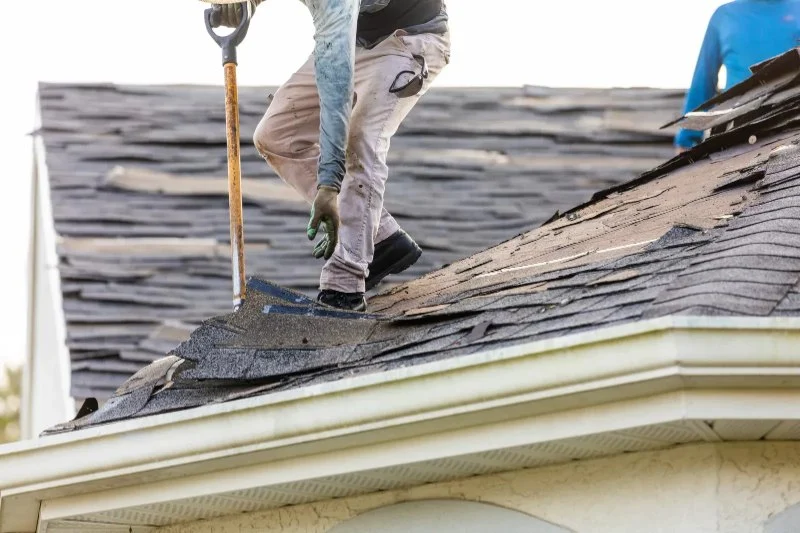
Most roofing problems do not begin with obvious leaks or visible damage. Instead, they start quietly beneath shingles, flashing, and underlayment layers where homeowners rarely look. This is exactly why roof inspections help detect hidden issues before they evolve into costly repairs.
A roof is a layered system, and each layer depends on the others working correctly. When one component begins to fail—such as a cracked shingle or weakened flashing—the damage often spreads internally long before it becomes visible from the outside.
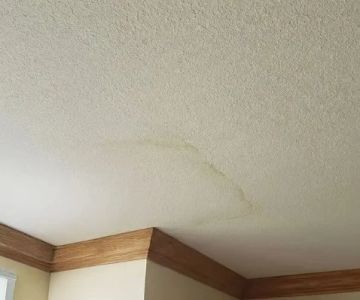
A homeowner in New Jersey once ignored minor discoloration on an attic ceiling. A routine inspection later revealed trapped moisture caused by a small flashing failure. Without that inspection, the damage would have reached structural beams.
The Most Common Hidden Issues Found During Roof Inspections
- moisture-infiltration-patterns - slow leaks condensation buildup attic humidity
- shingle-degradation-signs - curling cracking granule loss UV exposure damage
- flashing-and-seal-failure - weak joints water entry points structural vulnerability
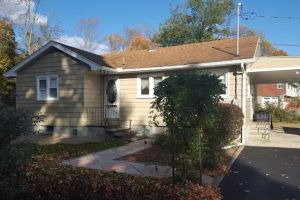
One of the most important roof inspection benefits is identifying moisture infiltration before it becomes visible. Water rarely travels in a straight path—it often moves along beams and insulation, making detection difficult without professional assessment.
Shingle deterioration is another hidden issue. From the ground, a roof may look intact, but inspectors often find granule loss that signals aging materials. This early warning allows homeowners to plan repairs instead of facing sudden failure.
Flashing around chimneys, vents, and skylights is especially vulnerable. Even a small separation can allow water to enter and spread across hidden roof layers.
For homeowners seeking structured maintenance support, Total Roofing Hub provides guidance and professional solutions designed to identify and address these hidden roofing risks early.

Jax Handyman Service
1232 Blanding Blvd Ste 7, Orange Park, FL 32065, USA
How Regular Roof Inspections Prevent Expensive Structural Damage
- early-detection-advantage - small issues before escalation structural preservation
- cost-reduction-impact - avoiding full replacements minimizing emergency repairs
- weather-resilience-improvement - storm readiness seasonal protection enhancement
Detecting roof damage early is one of the most effective ways to reduce long-term home maintenance costs. A small repair today can prevent thousands of dollars in structural restoration later.
Many homeowners only call for inspections after a leak appears inside the home. By then, water may have already damaged insulation, drywall, and even electrical systems. Regular inspections help avoid this reactive cycle.
In regions with heavy seasonal storms, inspections are especially important. High winds and hail may weaken roof integrity without immediately visible signs, leaving homes vulnerable to future weather events.
Real Case Study: The Hidden Leak That Nearly Destroyed an Attic
- undetected-leak-development - slow progression internal roof decay
- inspection-discovery-process - professional evaluation diagnostic tools
- restoration-cost-avoidance - prevention vs reconstruction financial impact
A homeowner in Pennsylvania noticed a faint musty odor in their upstairs hallway but could not find any visible leak. After scheduling a professional roof inspection, the issue was traced to a barely noticeable gap around a vent flashing.
Over several months, rainwater had slowly entered the attic, saturating insulation and beginning to rot wooden rafters. The damage was completely hidden from interior view.
Because the issue was identified early through inspection, repairs were limited to localized sections of the roof rather than requiring full structural replacement. The homeowner estimated savings of over 70% compared to potential reconstruction costs.
What Professional Inspectors Look for During Roof Evaluations
- structural-integrity-checks - framing alignment load stress analysis support evaluation
- surface-condition-assessment - shingles flashing gutters drainage review
- internal-attic-examination - insulation moisture mold ventilation inspection
Professional roof inspections go far beyond surface observation. Inspectors evaluate structural alignment to detect stress points that could lead to long-term failure.
Surface condition checks focus on visible components like shingles and gutters, but the most critical findings often come from attic inspections where moisture buildup and ventilation issues are detected.
These internal checks are essential because many roofing problems originate from poor airflow or trapped humidity rather than external damage alone.
Common Mistakes Homeowners Make by Skipping Roof Inspections
- delayed-maintenance-habit - ignoring early warning signs minor leaks
- assumption-of-visual-safety - believing no visible damage means no issues
- weather-reactive-approach - only inspecting after storms or leaks
One of the biggest mistakes homeowners make is assuming that a roof that looks fine from the ground is actually in good condition. Many serious issues remain invisible until significant damage occurs.
Another common issue is waiting for a leak before scheduling maintenance. By that time, the problem has usually expanded beyond the original entry point.
Storm-based inspections are also reactive rather than preventive. While they are important after extreme weather, routine inspections throughout the year are far more effective for long-term protection.
Advanced Roofing Protection Through Scheduled Inspections
- predictive-maintenance-strategies - scheduled evaluation lifecycle planning
- technology-assisted-inspection - infrared moisture detection drone analysis
- long-term-roof-health-management - durability tracking performance monitoring
Modern roofing inspections now use advanced tools such as infrared imaging to detect moisture behind roofing layers. These technologies allow inspectors to identify issues that are completely invisible to the human eye.
Drone inspections also provide high-resolution imaging of hard-to-reach areas, improving accuracy and safety during evaluations. This approach reduces risk while increasing diagnostic precision.
Predictive maintenance strategies help homeowners plan repairs before failures occur, extending roof lifespan and improving home safety.
Homeowners looking for expert evaluation and maintenance planning can rely on Total Roofing Hub for structured inspection programs designed to uncover hidden roofing problems before they escalate.
Why Roof Inspections Are a Long-Term Investment in Home Protection
- property-value-preservation - maintaining structural integrity resale advantage
- risk-reduction-benefits - minimizing emergency repairs weather protection
- lifecycle-extension-impact - maximizing roof durability long-term savings
Regular inspections are not just maintenance tasks—they are long-term investments in home safety and financial protection. A well-maintained roof increases property value and reduces unexpected repair costs.
Homes with consistent inspection records tend to perform better in resale markets because buyers see lower risk of hidden structural issues.
Ultimately, roof inspections help homeowners maintain control over one of the most important parts of their property, ensuring durability, safety, and peace of mind for years to come.
 Hammer Roofing4.0 (56 reviews)
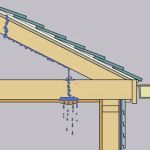 Atkins Roofing, Best Orange County Roofing Contractor4.0 (5 reviews)
 Beltway Roofing5.0 (28 reviews)
 AJ ROOFING5.0 (8 reviews)
 AWR Roofing, LLC4.0 (65 reviews)
 Ontario Roofing4.0 (48 reviews)
 How to Spot Roofing Damage Before It Spreads
 The Average Lifespan of Asphalt Shingle Roofs
 Siding Repair After Weather-Related Discoloration: Restoring Your Home’s Exterior
 Top 10 Questions to Ask a Roofing Contractor Before Hiring
 How to Prevent Roof Leaks Before Rainy Season Starts
 How Roof Gutters and Downspouts Should Be Installed & Maintained