
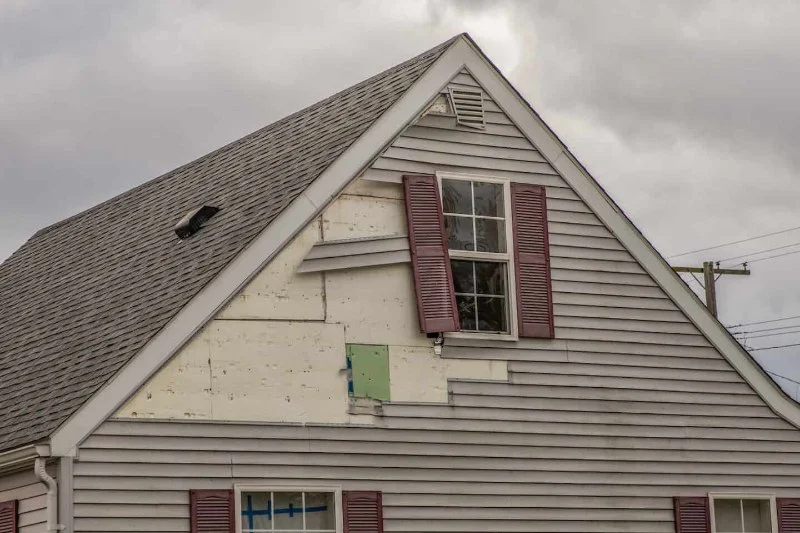
1. Siding Repair After Weather-Related Discoloration
Over time, your home's siding can be subjected to the harsh effects of weather, leading to discoloration, fading, and other forms of damage. Whether it’s from heavy rain, intense sun, or freezing temperatures, weather-related discoloration can significantly impact the appearance and longevity of your siding. Fortunately, siding repair after weather-related discoloration is possible, and with the right techniques, you can restore your home's exterior to its original condition.
This article will explore how weather affects siding materials, the steps involved in repairing siding discoloration, and the best methods to prevent it from happening again. With the right approach, you can keep your home’s exterior looking fresh and well-maintained throughout the seasons.
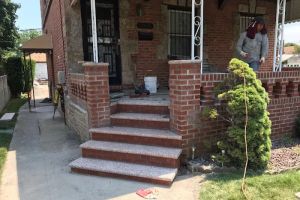
2. Understanding Weather-Related Siding Damage
Before diving into the repair process, it’s important to understand how various weather conditions can damage your siding and cause discoloration. Different siding materials react differently to environmental elements, so identifying the specific cause of discoloration will help you choose the most effective repair methods.
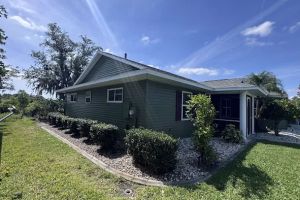
Five Star Painting of The Villages
333 W Alfred St Unit 4, Tavares, FL 32778, USA
a. Sun Fading and UV Damage
Exposure to the sun’s ultraviolet (UV) rays is one of the leading causes of discoloration in siding, especially for materials like vinyl or wood. Over time, UV rays break down the pigments in the siding, causing it to fade. This can result in uneven coloring, making your home look worn and neglected. While fading is inevitable, regular maintenance and specific repair methods can help restore your siding’s original look.
b. Rain and Moisture Damage
Excessive moisture from heavy rain, snow, or humidity can lead to staining and discoloration on siding materials. Wood siding, in particular, is prone to water damage, which can cause rot, mold, and mildew growth. Even materials like vinyl and aluminum can be affected by moisture, leading to unsightly discoloration or watermarks. Proper drainage systems and waterproofing can reduce the impact of moisture on your siding.
c. Freezing and Thawing Cycles
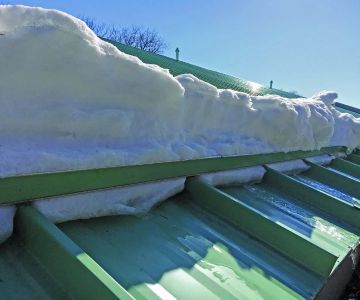
In colder climates, freezing and thawing cycles can be damaging to siding materials. As water penetrates the siding and freezes, it can expand and cause cracks or warping. This can lead to discoloration around the damaged areas, creating an uneven appearance on your home’s exterior. In addition, ice and snow buildup can put extra pressure on siding, further contributing to damage.
3. Steps to Repair Siding Discoloration
Once you've identified the cause of the discoloration, the next step is repairing the siding. Depending on the material and the extent of the damage, there are several methods you can use to restore the appearance of your siding.
a. Cleaning the Siding
Before performing any repairs, it's important to clean the siding thoroughly. Dirt, grime, and other debris can contribute to discoloration or make existing stains harder to remove. Use a pressure washer or a cleaning solution specifically designed for your siding material to gently remove dirt, stains, and mildew. Be cautious not to use excessive pressure, as it can damage the siding, especially on wood or older materials.
b. Scrubbing and Removal of Stains
For stubborn stains or discoloration caused by mildew or algae, consider scrubbing the affected areas with a mixture of water and mild detergent. For vinyl or aluminum siding, a cleaning product with bleach can help remove mold or mildew stains. In cases of severe discoloration, you may need to apply a specialized stain remover designed for your specific siding material to get rid of the marks.
c. Patching and Replacing Damaged Sections
If the discoloration is caused by cracks, warping, or other physical damage to the siding, patching or replacing the affected sections may be necessary. For small cracks in vinyl siding, you can use a caulk or patch kit to seal the gap. If the damage is extensive, consider replacing the damaged panels with new ones that match your existing siding. This will not only eliminate the discoloration but also restore the integrity of your siding.
d. Painting or Staining
If you’re dealing with wood siding or another material that can be painted or stained, applying a fresh coat of paint or stain is an effective way to restore both the color and protection of the siding. Before painting, ensure that the surface is clean and free of debris, and choose a high-quality paint or stain that is designed for outdoor use. This will help maintain the new color and prevent future discoloration caused by UV exposure or weather conditions.
4. Preventing Future Siding Discoloration
While it's not always possible to prevent weather-related discoloration completely, there are steps you can take to minimize the impact of the elements on your siding:
a. Apply Protective Coatings
To prevent UV damage and fading, consider applying a protective coating or sealant to your siding. These coatings act as a barrier between your siding and the elements, reducing the amount of UV light that reaches the surface. For wood siding, a protective sealant can also help prevent water damage and rot. Be sure to reapply the coating regularly to maintain its effectiveness.
b. Install Proper Drainage Systems
Ensure that your home’s gutters and downspouts are functioning properly to direct rainwater away from your siding. Water that pools around the base of your home can cause discoloration and other forms of damage to your siding. Installing a proper drainage system will help keep your siding dry and reduce the risk of moisture-related discoloration.
c. Perform Regular Maintenance
Regularly inspecting and cleaning your siding can prevent minor issues from turning into major problems. By keeping your siding free of dirt, mold, and mildew, you can extend the lifespan of your materials and keep discoloration at bay. Schedule routine inspections to catch any early signs of wear and tear before they lead to more extensive damage.
5. Why Choose Total Roofing Hub for Siding Repair
If your home’s siding has suffered weather-related discoloration or damage, Total Roofing Hub can help. Our team of experts specializes in siding repair and restoration, ensuring that your home’s exterior looks great and is protected from the elements. Whether you need a simple cleaning or a full siding replacement, we have the tools and experience to get the job done right.
Visit Total Roofing Hub today to schedule an inspection or to get more information on siding repair and maintenance services. We’re here to help you keep your home looking its best for years to come!
 Marc Joseph remodeling5.0 (1 reviews)
 PRS Roofing Inc5.0 (9 reviews)
 KAPS CONSTRUCTION4.0 (5 reviews)
 Marshall Exteriors, LLC4.0 (213 reviews)
 S.W.A.T. Roofing & Consulting4.0 (46 reviews)
 MATFI RENOVATIONS LLC5.0 (23 reviews)
 Siding Material Fire Ratings: What’s Required & What to Choose
 Roof Talk: Common Terminology Every Homeowner Should Know
 How Often Should You Replace Your Home's Siding? Expert Tips on Siding Longevity
 The Average Lifespan of Asphalt Shingle Roofs: How Long Do They Last?
 How to Choose a Reliable Roofing Contractor Near You | Top Tips and Questions
 Should I Repair or Replace My Roof? – Expert Guide for U.S. Homeowners