
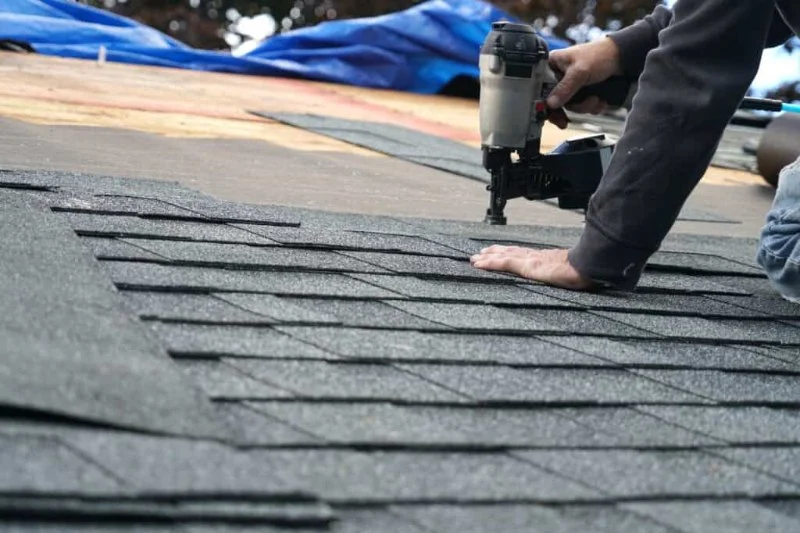
1. Introduction: Why Spotting Shingle Damage Early Is Crucial
Shingles are the outermost layer of your roof and play a critical role in protecting your home from the elements. However, over time, shingles can become damaged, leading to leaks that can cause serious water damage inside your home. By learning how to spot shingle damage early, you can avoid costly repairs and ensure your roof continues to protect your home effectively. In this article, we'll guide you through the common signs of shingle damage and offer practical tips for early detection.
Superior Roofing And Waterproofing
San DiegoSan Diego CountyCalifornia
9750 Via de la Amistad, San Diego, CA 92154, USA
2. Common Signs of Shingle Damage
Roof damage caused by shingles is not always immediately visible from the inside of your home. However, by inspecting your roof regularly, you can catch potential problems before they escalate. Below are some of the most common signs of shingle damage to look out for:

2.1. Curled or Buckled Shingles
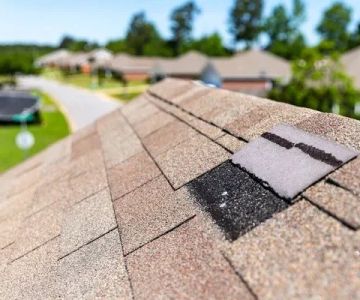
Shingles can curl or buckle due to age, weather exposure, or improper installation. Curled shingles are a clear indicator that your roof is beginning to deteriorate and may be allowing moisture to seep underneath. If you notice that your shingles are no longer flat, it’s essential to get them inspected by a professional.
2.2. Missing Shingles
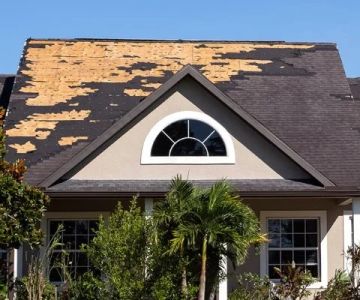
Over time, shingles may be blown off by strong winds, or they may simply deteriorate and break off. Missing shingles leave your roof vulnerable to water infiltration. If you spot any bare spots on your roof where shingles are missing, it’s crucial to replace them promptly to avoid leaks and further damage.
2.3. Granule Loss
As shingles age, they can lose the protective granules that coat the surface. These granules help protect the shingles from the sun's UV rays and provide waterproofing. If you notice an abundance of granules in your gutters or on the ground near your house, this is a sign of shingle deterioration. Granule loss can lead to shingles becoming brittle and more susceptible to damage.
3. The Impact of Moisture and Water
Moisture is one of the biggest enemies of your roof. When shingles are damaged, water can easily make its way underneath, leading to leaks and water damage inside your home. Here’s what to look for:
3.1. Water Stains on the Ceiling
If you notice water stains on your ceiling or walls, it’s likely that your roof is leaking. Leaks often occur when shingles are damaged or missing, allowing rainwater to penetrate the roof. Don’t wait for water stains to appear—check your roof regularly for signs of damage to prevent interior leaks.
3.2. Mold or Moss Growth
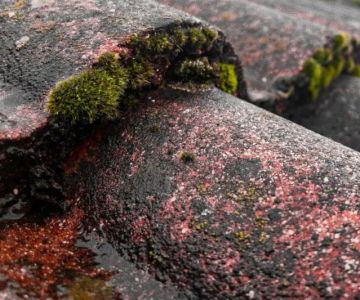
Excess moisture in the roof can lead to the growth of mold or moss on your shingles. While this might seem like a minor issue, mold can cause further damage to your roof and even affect the indoor air quality of your home. If you spot green or black spots on your shingles, it’s time to inspect the roof for underlying damage.
4. How to Inspect Your Roof for Shingle Damage
Now that you know the signs of shingle damage, it’s time to learn how to inspect your roof. Here’s a step-by-step guide to checking for shingle damage:
4.1. Use Binoculars for a Safe Inspection
Inspecting your roof doesn’t always require getting up on a ladder. If your roof is relatively steep or high, it’s safer to use a pair of binoculars to look for visible signs of shingle damage from the ground. Look for curled, cracked, or missing shingles, as well as any areas where granules have washed away.
4.2. Check Your Gutters for Granules
Your gutters can tell you a lot about the condition of your shingles. After a heavy rainstorm, inspect your gutters for granules. If you notice a significant buildup of granules, this indicates that your shingles are wearing down and losing their protective coating. This is a clear sign that it's time for a roof inspection.
4.3. Hire a Professional Roofer for an In-Depth Inspection
If you're unsure about the condition of your roof or if you spot signs of damage, it’s a good idea to hire a professional roofer for a more thorough inspection. Roofing experts have the tools and knowledge to identify hidden problems that may not be visible to the untrained eye. Regular inspections can help you address issues early before they turn into costly repairs.
5. Preventive Measures to Avoid Shingle Damage
Prevention is always better than cure. Here are some steps you can take to minimize the risk of shingle damage:
5.1. Regular Roof Maintenance
To extend the life of your roof, regular maintenance is essential. This includes cleaning gutters, removing debris from the roof, and ensuring that your shingles are properly aligned. A well-maintained roof is less likely to suffer from extensive damage, saving you money in the long run.
5.2. Upgrade to Impact-Resistant Shingles
If you're building a new home or replacing your roof, consider upgrading to impact-resistant shingles. These shingles are designed to withstand harsh weather conditions, including high winds, hail, and heavy rain. Although they may cost more upfront, they can save you from costly repairs and premature replacements.
6. Conclusion: Protect Your Home with Regular Roof Inspections
Spotting shingle damage early is crucial to protecting your home from water damage and other issues caused by a compromised roof. By being proactive in inspecting your roof for signs of damage, such as curled or missing shingles, granule loss, and water stains, you can catch potential problems before they turn into costly repairs. Don’t forget to regularly maintain your roof and consider upgrading to more durable materials to extend its lifespan. For expert advice on roof repairs and maintenance, visit Total Roofing Hub for the best products and services.
 Reign Roofing - Buda5.0 (33 reviews)
 Cardinal Roofing and Exteriors5.0 (55 reviews)
 TH AGRAM, INC.5.0 (41 reviews)
 Stucco Repair of Scottsdale4.0 (20 reviews)
 Restek Services5.0 (2 reviews)
 Custom Home Improvement, LLC5.0 (6 reviews)
 How to Budget for a Roof Replacement Project | Expert Tips
 How to Extend the Life of Your Roof Without Spending a Fortune
 How Often Should You Replace Your Home's Siding?
 What to Expect During a Roof Inspection with a Pro: A Comprehensive Guide
 Roof Slope & Drainage: How It Prevents Water Pooling Issues
 Everything You Need to Know About Roof Warranties - A Comprehensive Guide