How to Protect Your Roof from Environmental Wear: Expert Tips for Longevity
- 1. Introduction to Roof Protection
- 2. Impact of Environmental Factors on Your Roof
- 3. Roof Maintenance and Inspection
- 4. Weatherproofing Solutions for Roof Damage
- 5. Tips for Choosing the Right Roofing Materials
- 6. When to Call Professionals for Roof Repair
1. Introduction to Roof Protection
Your roof is one of the most important components of your home, protecting everything inside from the elements. Over time, however, environmental factors such as rain, sun, snow, and wind can cause significant wear and tear. Fortunately, there are several ways to protect your roof from these natural forces, ensuring its longevity and effectiveness for years to come.
On Point Roofing Encino
Los AngelesLos Angeles CountyCalifornia
16530 Ventura Blvd, Encino, CA 91436, USA
2. Impact of Environmental Factors on Your Roof
Environmental factors are the primary contributors to roof damage. Understanding how each one affects your roof can help you take preventive measures to avoid costly repairs or replacements.
Skaneateles Expert Roofing
SkaneatelesOnondaga CountyNew York
55 Jordan St, Skaneateles, NY 13152, USA
2.1. Rain and Water Damage
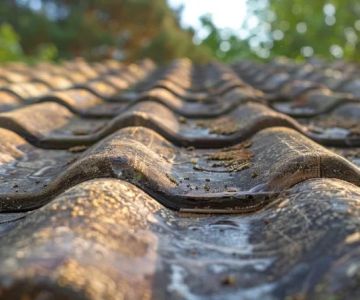
Continuous exposure to rainwater can weaken the roofing materials, especially if your roof has damaged shingles or poor drainage. Water can seep under the shingles, leading to rot, mold growth, and leaks inside your home.
2.2. Sun and UV Damage
Prolonged sun exposure can cause the roof to crack, warp, or fade. UV rays break down roofing materials over time, particularly asphalt shingles, leading to a decrease in their effectiveness. It's essential to protect the roof from excessive UV damage by using reflective coatings or upgrading to more durable materials.
2.3. Wind and Storm Damage
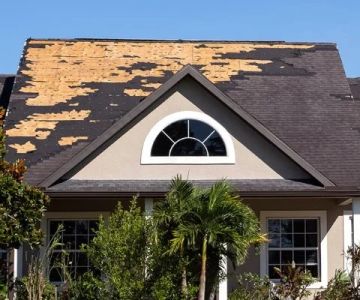
Strong winds and storms can tear off shingles or even blow debris onto the roof, causing punctures and cracks. These can be exacerbated if the roof isn’t regularly inspected and maintained.
2.4. Snow and Ice
Winter conditions can be particularly damaging to your roof. Ice dams, which form when melted snow refreezes at the edge of the roof, can prevent proper drainage and lead to leaks inside your home. Accumulating snow can also put pressure on the roof, potentially causing structural damage if not cleared regularly.
3. Roof Maintenance and Inspection
Regular maintenance and inspections are critical in extending the lifespan of your roof. By addressing minor issues early, you can prevent more significant problems down the line.
3.1. Routine Inspections
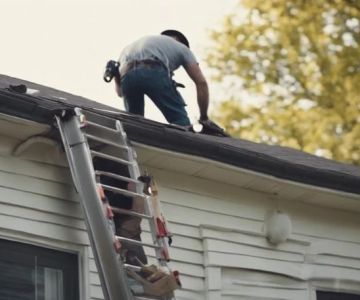
At least once a year, schedule a professional roof inspection to check for signs of damage, wear, or aging. During the inspection, a roofer will check the shingles, flashing, gutters, and ventilation system to ensure everything is functioning as it should.
3.2. Cleaning Gutters and Downspouts
Clogged gutters can lead to water damage, as they won’t be able to channel rainwater away from the roof and foundation. Regularly cleaning your gutters and downspouts can help prevent water from pooling on the roof and causing leaks.
3.3. Clearing Debris
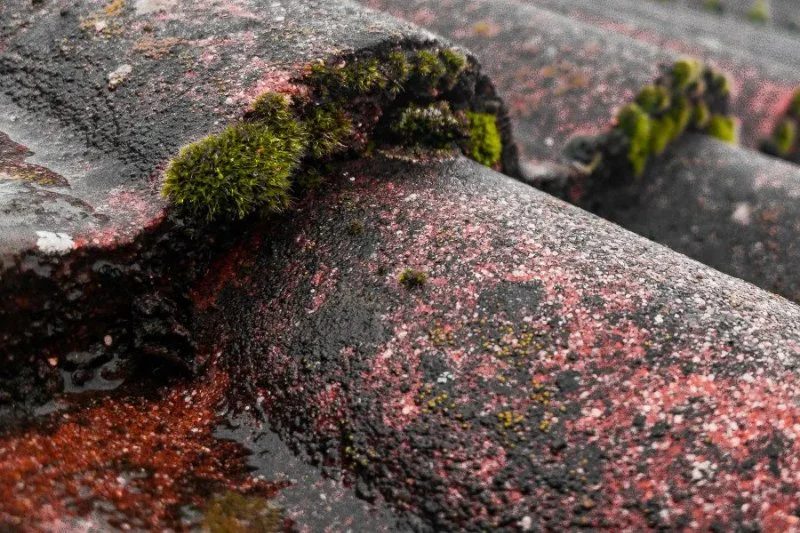
Leaves, twigs, and other debris can accumulate on your roof, creating a breeding ground for moss and algae. These can weaken the roofing material and cause long-term damage. Ensure that debris is removed regularly to maintain your roof’s health.
4. Weatherproofing Solutions for Roof Damage
In addition to regular maintenance, there are several weatherproofing solutions that can help protect your roof from environmental wear and tear.
4.1. Apply a Reflective Coating
Reflective coatings can help reduce the impact of UV rays on your roof, keeping it cooler during the summer months and reducing the chance of cracking or fading. These coatings also help with energy efficiency by lowering your cooling costs.
4.2. Install Gutter Guards
Gutter guards prevent leaves and debris from clogging your gutters, reducing the risk of water damage. They also ensure that water flows freely from the roof, preventing ice dams and water accumulation.
4.3. Use Roof Sealants
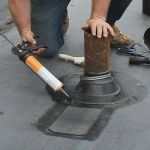
Roof sealants provide an extra layer of protection against water damage. They help to seal gaps and cracks, preventing water from seeping into the roofing structure. A professional roofer can apply these sealants to protect your roof from leaks and other environmental threats.
5. Tips for Choosing the Right Roofing Materials
The type of roofing material you choose plays a crucial role in how well your roof withstands environmental wear. Different materials have varying degrees of durability and resistance to weather conditions.
5.1. Asphalt Shingles
Asphalt shingles are the most common roofing material, offering good value and durability. However, they are more vulnerable to UV damage and wind. If you live in an area with harsh sunlight or frequent storms, consider choosing high-impact or laminated shingles for added protection.
5.2. Metal Roofing
Metal roofing is incredibly durable, resistant to both wind and water damage. It’s also highly reflective, making it an excellent choice for hot climates. Metal roofs can withstand snow, ice, and rain, making them ideal for areas with extreme weather conditions.
5.3. Clay or Concrete Tiles
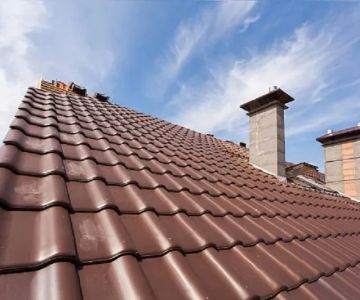
Clay or concrete tiles are durable and offer excellent protection against both heat and water damage. They are particularly suited for warmer climates where sun exposure is intense, and they are also fire-resistant, providing extra protection for your home.
6. When to Call Professionals for Roof Repair
While regular maintenance can prevent many issues, some problems require professional intervention. If you notice any of the following signs, it’s time to call in a roofing expert:
6.1. Leaks or Water Stains
If you notice water stains on your ceiling or walls, it’s a sign that your roof has a leak. Roof leaks can cause significant damage if left unaddressed, so it’s essential to get them repaired as soon as possible.
6.2. Missing or Damaged Shingles
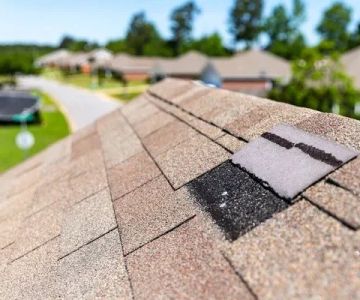
Missing or damaged shingles leave your roof vulnerable to water damage. If you notice any shingles that are cracked, curled, or missing, it’s important to get them replaced to prevent further issues.
6.3. Sagging Roof
If your roof appears to be sagging, it’s a serious issue that requires immediate attention. A sagging roof could indicate structural damage, which can lead to a collapse if not addressed quickly.
Protecting your roof from environmental wear requires regular care, the right materials, and timely repairs. For expert advice and the best roofing solutions, visit Total Roofing Hub.
 Exterior Works, LLC.5.0 (10 reviews)
 Roofing America5.0 (18 reviews)
 Carstetter's Roofing & Siding LLC4.0 (17 reviews)
 Inman Roofing & Contracting Services, LLC5.0 (46 reviews)
 Aardvark Roofing Co4.0 (7 reviews)
 SJM Roofing and Remodel5.0 (11 reviews)
 How to Seal Gaps and Cracks Around Roof Penetrations (Chimney, Vent, Skylight)
 The Real Benefits of Annual Roof Inspections
 How to Extend the Life of Your Roof Without Spending a Fortune
 How to Protect Your Roof from Long-Term Wear and Tear
 How to Choose Roof Underlayment Based on Climate: Expert Guide for Homeowners
 Siding Trends to Watch: Styles, Colors & Textures for 2025-2026