How to Prevent Roof Leaks with Smart Maintenance: Essential Tips for Homeowners
Preventing roof leaks starts with regular maintenance. By identifying problems before they escalate, homeowners can save on expensive repairs and avoid water damage. In this article, we’ll explore effective strategies to prevent roof leaks and keep your home protected from the elements.
- Understanding Common Roof Leak Causes
- Seasonal Roof Maintenance Tips
- Inspection Checklist for Roof Leaks
- Fixing Small Problems Early
- When to Call a Professional Roofing Contractor
1. Understanding Common Roof Leak Causes
Roof leaks are often caused by a variety of factors. Understanding the most common causes can help you identify potential problems before they lead to costly water damage.
Secure Roofing LLC
AshevilleBuncombe CountyNorth Carolina
45 Gaston Mountain Rd, Asheville, NC 28806, USA
1.1 Aging Roof Materials
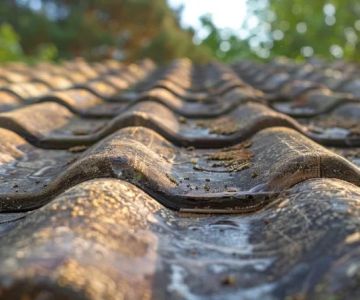
As roofs age, materials such as shingles, tiles, and flashing can deteriorate. Cracks, holes, or curled shingles can create pathways for water to seep into your home. Regular inspection is key to spotting signs of wear.
1.2 Clogged Gutters and Downspouts
When gutters and downspouts are clogged with debris, water can back up and pool on the roof. This can lead to leaks, especially around the edges and near flashing. Cleaning gutters at least twice a year helps prevent this issue.
1.3 Flashing Failures
Flashing is the metal around chimneys, vents, and skylights that prevents water from seeping in. If the flashing is damaged or improperly installed, water can easily infiltrate these vulnerable areas.
2. Seasonal Roof Maintenance Tips
Each season brings unique challenges for your roof. By following seasonal maintenance guidelines, you can minimize wear and prevent leaks.
2.1 Spring Maintenance
Spring is the ideal time to inspect your roof after winter weather. Look for missing or damaged shingles, signs of ice damming, and check for accumulated debris in gutters. This is also the time to trim overhanging tree branches that could damage your roof.
2.2 Summer Maintenance
During the summer, heat can cause shingles to warp and crack. It's a good idea to inspect your roof for signs of sun damage. If your roof is exposed to a lot of sun, consider applying a reflective coating to protect it from UV damage.
2.3 Fall Maintenance
As leaves fall, they can clog your gutters and create problems. Ensure that gutters are cleaned out before the winter months. Fall is also a great time to check for signs of water damage caused by summer storms.
2.4 Winter Maintenance
Winter can be harsh on your roof, with snow and ice creating additional weight. Inspect for ice dams and ensure that the attic is properly insulated to prevent the formation of ice dams. If snow accumulates, it may need to be removed to avoid structural damage.
3. Inspection Checklist for Roof Leaks
Regular roof inspections can help identify potential issues before they turn into leaks. Here’s a basic checklist for inspecting your roof:
3.1 Inspect Shingles or Tiles
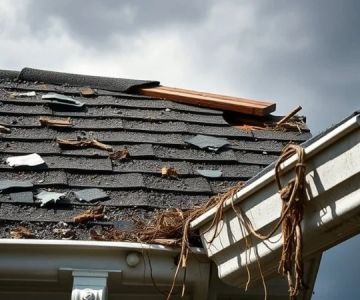
Look for missing, cracked, or curled shingles. Any of these signs indicate that water could penetrate through and cause damage.
3.2 Check Flashing and Vent Seals
Examine the flashing around chimneys, vents, and skylights for signs of deterioration or damage. If the flashing is cracked, rusted, or missing, it should be replaced to prevent leaks.
3.3 Examine the Roof's Underlayment
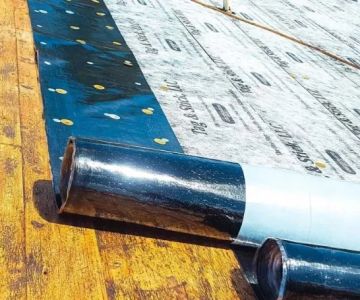
The underlayment acts as an additional layer of protection under shingles. If it's exposed or damaged, it can lead to water seeping into the roof structure. Look for any areas where the underlayment is compromised.
3.4 Check for Water Stains in the Attic
Water stains or mold in the attic often indicate a roof leak. Look for any signs of moisture on rafters, beams, or insulation. If you find any, it’s time to investigate further to locate the leak.
4. Fixing Small Problems Early
Addressing small roof issues promptly can save you from dealing with larger, more expensive repairs. Here are some examples of small issues that can turn into major leaks if ignored:
4.1 Replacing Missing Shingles
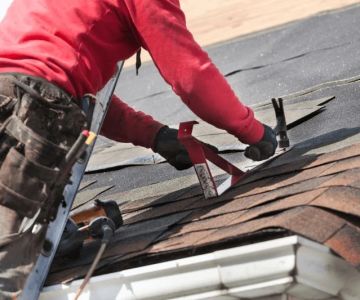
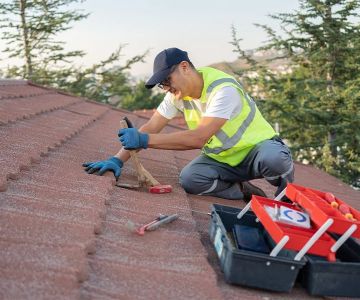
If you notice a missing shingle or tile, replace it as soon as possible. Leaving this issue unchecked can lead to water infiltration, causing the roof to weaken over time.
4.2 Sealing Small Gaps
Small cracks in flashing, vents, or around chimneys can allow moisture to enter. Sealing these gaps with roofing sealant is a quick fix that can prevent bigger issues down the line.
4.3 Cleaning Out Gutters
Clogged gutters can easily lead to water backing up onto the roof. Regularly cleaning your gutters and checking downspouts for blockages will help prevent leaks.
5. When to Call a Professional Roofing Contractor
While DIY maintenance is important, there are times when it’s best to call in a professional roofing contractor. Here are some situations where professional help is essential:
5.1 If You Notice Extensive Damage
If your roof has significant damage, such as large sections of missing shingles or widespread leaks, it’s time to call a professional. Attempting DIY repairs on a large scale can be dangerous and ineffective.
5.2 If You’re Not Comfortable with Heights
Roofing repairs can be hazardous, especially when working at height. If you're not comfortable or experienced with roof work, it’s best to hire a professional to ensure your safety.
Preventing roof leaks requires proactive maintenance and attention to detail. By following these simple tips and performing regular roof inspections, you can extend the life of your roof and avoid costly repairs. For more expert advice and to find the best roofing products, visit Total Roofing Hub.

 Sun Diego Roofing5.0 (1 reviews)
 Above it All Roofing LLC serving Sussex County New Jersey5.0 (8 reviews)
 Juggernaut Construction4.0 (31 reviews)
 Gold Tech Roofing & Exteriors4.0 (71 reviews)
 Frank Jewett Roofing5.0 (4 reviews)
 Shumaker Roofing Company4.0 (326 reviews)
 How to Spot Hail Damage on Your Roof - Expert Tips for Homeowners
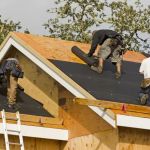 How to Replace Roof Felt or Underlayment Yourself (with Caution)
 The Pros and Cons of Vinyl Siding: What You Need to Know
 How Much Does a New Roof Cost in 2025?
 The Best Roofs for Low-Maintenance Homes
 Discover the Environmental Benefits of a Cool Roof for Your Home or Business