
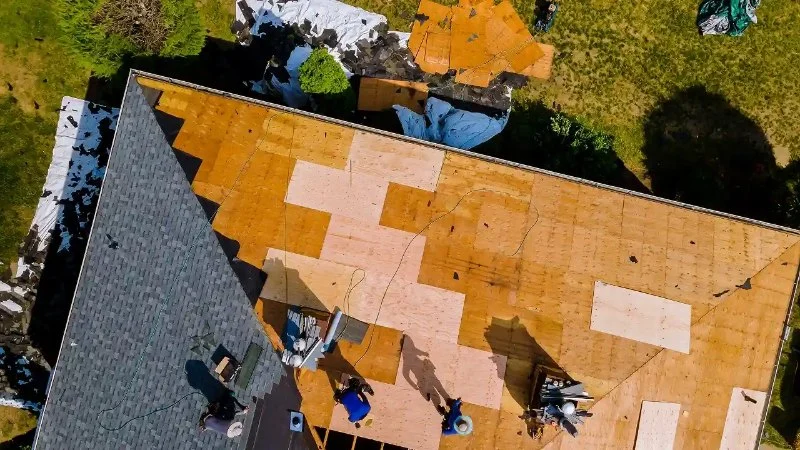
What to Know About Roof Replacement Planning
- 1. Why You Might Need a Roof Replacement
- 2. Key Steps in the Roof Replacement Planning Process
- 3. Costs Involved in Roof Replacement
- 4. Choosing the Right Roofing Material
- 5. How to Choose the Right Roofing Contractor
- 6. Real-Life Case Study: Successful Roof Replacement Planning
1. Why You Might Need a Roof Replacement
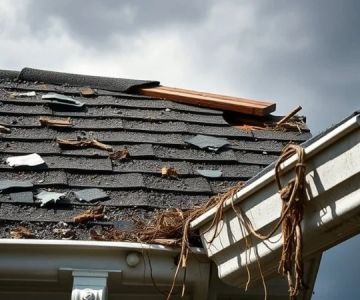
A roof replacement is necessary when your existing roof has reached the end of its lifespan, is severely damaged, or can no longer protect your home adequately. Common reasons for roof replacement include:
- Significant wear and tear from weather conditions
- Leaks that are difficult to repair
- Old, worn-out roofing materials
- Structural damage from storms or other events
2. Key Steps in the Roof Replacement Planning Process
Proper roof replacement planning can help ensure a smooth, cost-effective process. Here’s a breakdown of the steps involved:
- Assess Your Roof’s Condition: Before starting the replacement process, have a professional inspection to assess the roof’s condition and determine the extent of the damage.
- Set a Budget: Roof replacement can be expensive, so it’s essential to set a budget that covers the cost of materials, labor, permits, and any additional work that may arise.
- Choose a Roof Design: Consider the aesthetics, energy efficiency, and durability of the roofing material you want to use for your home.
- Hire a Reputable Contractor: Choose an experienced roofing contractor who can provide accurate estimates, references, and a solid warranty for their work.
- Get the Necessary Permits: Check with your local authorities to determine if permits are required for roof replacement in your area.
3. Costs Involved in Roof Replacement
The cost of a roof replacement can vary depending on several factors, including the size of the roof, the materials chosen, and the complexity of the job. Common cost factors include:
- Roof Size: Larger roofs will naturally cost more to replace due to the increased labor and materials required.
- Roofing Material: Materials like asphalt shingles are less expensive than options like metal or slate roofing, which can increase the overall cost.
- Labor Costs: Labor costs vary by region and contractor, but expect to pay a significant portion of the total cost for professional installation.
- Permits and Inspections: Some areas require permits for roof replacement, which can add to the cost.
4. Choosing the Right Roofing Material
There are various roofing materials available, and the one you choose will depend on your budget, style preferences, and the climate in your area. Some popular roofing materials include:
- Asphalt Shingles: The most common and affordable roofing material. They are durable and come in a variety of colors and styles.
- Metal Roofing: Known for its durability, metal roofs can last for decades and are energy-efficient, making them ideal for extreme weather conditions.
- Wood Shingles and Shakes: These provide a natural look and are eco-friendly, but require more maintenance than other options.
- Slate and Tile: These materials are durable and visually appealing but come at a higher cost. They are often used in historic homes or luxury properties.
5. How to Choose the Right Roofing Contractor
Hiring the right roofing contractor is crucial to ensuring a successful roof replacement project. Here are some tips for choosing the best contractor for your needs:
- Check Credentials: Ensure the contractor is licensed, insured, and has a good track record with previous clients.
- Get Multiple Estimates: Obtain estimates from several contractors to compare prices and services.
- Read Reviews: Look at online reviews and ask for references from previous clients to gauge the quality of work.
- Warranty: Ensure that the contractor provides a solid warranty for both materials and labor.
6. Real-Life Case Study: Successful Roof Replacement Planning
John and Lisa recently decided to replace their old roof in Austin, Texas, due to leaks and the wear-and-tear caused by recent storms. They followed these steps:
- They had their roof professionally inspected to determine the damage.
- Set a budget of $10,000 for the project, factoring in materials, labor, and permits.
- Chose durable, energy-efficient metal roofing that would withstand extreme weather conditions.
- Hired a reputable contractor with great reviews and a solid warranty.
- Obtained the necessary permits and scheduled the work.
By following a clear plan, they completed the project within budget and had a roof that will last for decades.
If you’re planning a roof replacement, visit Total Roofing Hub for more expert tips and to connect with the right contractor for your project!
 Sun Diego Roofing5.0 (1 reviews)
 Above it All Roofing LLC serving Sussex County New Jersey5.0 (8 reviews)
 Juggernaut Construction4.0 (31 reviews)
 Gold Tech Roofing & Exteriors4.0 (71 reviews)
 Frank Jewett Roofing5.0 (4 reviews)
 Shumaker Roofing Company4.0 (326 reviews)
 How to Spot Hail Damage on Your Roof - Expert Tips for Homeowners
 How to Replace Roof Felt or Underlayment Yourself (with Caution)
 The Pros and Cons of Vinyl Siding: What You Need to Know
 How Much Does a New Roof Cost in 2025?
 The Best Roofs for Low-Maintenance Homes
 Discover the Environmental Benefits of a Cool Roof for Your Home or Business