How to Identify Early Signs of Roof Failure: Prevent Costly Repairs
Roof failure can be a homeowner's worst nightmare, leading to expensive repairs or even a full roof replacement. But how do you know when your roof is about to fail? Early detection is key to preventing more severe damage and costly repairs. In this guide, we’ll walk you through how to identify the early signs of roof failure, what causes them, and how to address them before it’s too late.
- 1. Common Signs of Roof Failure
- 2. What Causes Roof Failure?
- 3. How to Inspect Your Roof for Problems
- 4. When to Call a Professional Roofing Service
1. Common Signs of Roof Failure
The roof is one of the most crucial components of your home, protecting you from the elements. When it starts to fail, there are several common signs to look out for:
- Leaks and Water Damage: If you notice water stains on your ceiling or walls, this is one of the most obvious signs of roof failure. Leaks may appear as brown or yellow spots, especially after a heavy rain.
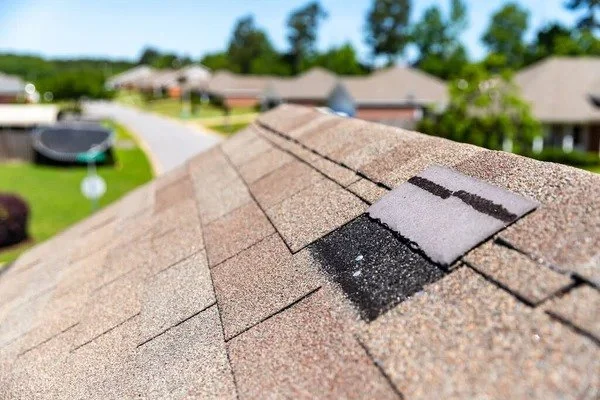
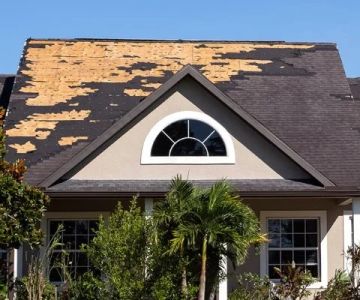
- Missing or Damaged Shingles: Shingles can become loose, cracked, or even missing after a storm or due to age. If your roof has exposed areas or areas where the shingles are curling, it may be time for a replacement.
- Granules in the Gutters: Asphalt shingles shed granules over time. If you notice an excessive amount of granules in your gutters, it's a sign that your shingles are deteriorating and your roof may be failing.
- Sagging Roof: A sagging roof indicates a structural issue, possibly due to rotting wood or water damage. This is a serious concern and should be addressed immediately.
2. What Causes Roof Failure?
Understanding the common causes of roof failure can help you take preventative steps to avoid costly repairs. Some of the most frequent causes include:
- Aging Roof: Roofs have a finite lifespan, typically around 20-30 years. As they age, the materials can degrade, leading to leaks and other problems.
- Poor Installation: If your roof wasn’t installed correctly, it can lead to premature failure. Poor workmanship or the use of subpar materials can compromise the integrity of your roof.
- Severe Weather: High winds, hail, and heavy snow can cause significant damage to your roof, loosening shingles, cracking materials, or even causing leaks.
- Lack of Maintenance: Roofs need regular maintenance to stay in good condition. Neglecting routine inspections and repairs can lead to small issues escalating into bigger problems.
3. How to Inspect Your Roof for Problems
Regular roof inspections are essential for identifying potential problems before they turn into major issues. Here’s how to perform a basic roof inspection:
- Inspect from the Ground: Start by looking at your roof from the ground using binoculars. Look for signs of damage such as missing shingles, sagging, or discoloration.
- Check the Attic: Go into your attic and check for signs of water damage, mold, or mildew. You may also spot daylight coming through the roof, which indicates a breach.
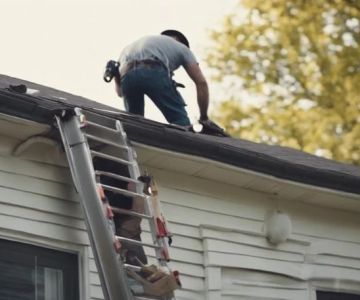
- Look for Shingle Damage: If you can safely get on a ladder, check for loose, cracked, or curled shingles. These are all signs that the roof may need attention.
4. When to Call a Professional Roofing Service
If you notice any of the above signs of roof failure, or if you’re unsure about the condition of your roof, it’s time to call a professional roofing service. Here are some key reasons to contact a roofing expert:
- Persistent Leaks: If you can’t locate the source of a leak or if the leaks persist after a DIY fix, a professional will be able to locate and repair the issue.
- Structural Concerns: If you notice any signs of sagging, or if your roof appears to be sinking, it’s important to have a professional assess the structural integrity.
- Age of Roof: If your roof is nearing the end of its lifespan (usually around 20-30 years), it’s a good idea to have a roofing contractor perform a thorough inspection to determine if a replacement is necessary.
At Total Roofing Hub, we provide expert advice, tips, and services to ensure your roof stays in top condition. If you notice any early signs of roof failure, contact us today for a professional inspection.
 AB Contracting5.0 (22 reviews)
 Progressive Roofing Inc4.0 (9 reviews)
 Bel Southwest0.0 (0 reviews)
 Dorald Design & Construction, LLC4.0 (42 reviews)
 A Precision Roofing, INC.4.0 (7 reviews)
 David Michael Remodeling5.0 (8 reviews)
 What to Check in Roof Inspection Reports
 What to Expect During a Roof Inspection
 Everything You Need to Know About Roof Warranties for Homeowners
 Siding Longevity by Climate: How Hot, Cold, Humid, and Dry Regions Affect Your Siding
 How to Maintain Roof Quality with Routine Maintenance
 How Roof & Siding Aging Impacts Insurance & Home Value