
- roof-longevity-basics - understanding-structural-durability
- weather-impact-control - protecting-roof-from-environment
- inspection-habits - early-damage-detection-strategies
- maintenance-routines - seasonal-roof-care-practices
- real-home-cases - lessons-from-roof-failure-and-repair
Understanding What Actually Keeps a Roof Strong Over Time
Most homeowners don’t think about their roof until something goes wrong—usually a leak, a stain on the ceiling, or visible damage after a storm. But learning how to maintain roof strength is less about reacting to problems and more about preventing them long before they appear.
A roof is constantly under pressure from sunlight, rain, wind, temperature changes, and even biological growth like moss or algae. Over time, these forces slowly weaken materials, even if the damage is not immediately visible. That’s why roof durability care is not a one-time effort—it’s an ongoing habit.
Think of the roof as the “shield system” of a home. If it weakens, everything underneath becomes vulnerable. Keeping it strong means understanding how different elements interact with it over years, not just seasons.
Weather Exposure and Its Silent Impact on Roof Strength
Weather is the biggest long-term factor affecting roof lifespan. Even in areas without extreme storms, slow and consistent exposure to sun and rain can degrade roofing materials significantly.
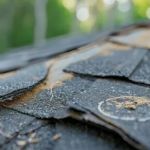
UV rays dry out shingles, making them brittle over time. Rainwater seeps into tiny cracks that expand during temperature changes. In colder climates, freeze-thaw cycles can lift shingles and create gaps that are hard to detect early.
A homeowner in the Midwest once shared how their roof looked perfectly fine from the ground, yet small leaks appeared after a mild winter. The issue wasn’t a sudden failure—it was years of unnoticed weather exposure slowly weakening the structure.
Understanding these gradual effects is essential if you want to extend roof lifespan without unexpected repair costs.

Home Crafters Roofing & Contracting
ParkvilleBaltimore CountyMaryland
3133 Hiss Ave, Parkville, MD 21234, USA
Why Routine Inspection Is the Most Underrated Protection Method
One of the most effective roof maintenance tips is also the simplest: regular inspection. Yet many homeowners delay or completely skip it because everything “looks fine.”
A proper home roof inspection guide does not require climbing onto the roof. From the ground or attic, you can often spot early warning signs such as uneven shingles, sagging areas, or moisture marks.
One real case involved a homeowner in Texas who noticed small water stains in their attic but ignored them for months. By the time a professional inspected the roof, a minor flashing issue had turned into widespread water damage. Early detection could have saved thousands in repairs.
Routine checks—especially after storms—help identify problems before they become structural threats. This is one of the most practical ways to maintain roof strength over time.
Seasonal Maintenance and Why Timing Matters
Roof care is not a once-a-year activity. It changes with the seasons, especially in regions with distinct weather patterns.
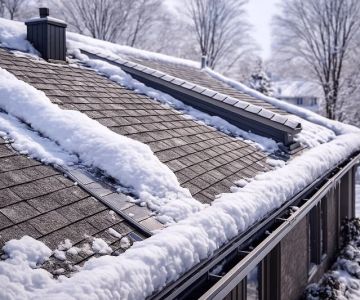
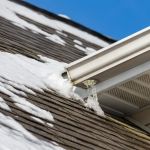
In spring, debris like leaves and branches should be cleared to prevent water buildup. Summer is the best time to check for heat-related wear, especially cracked shingles or sealant damage. Fall requires clearing gutters to prevent blockages, while winter demands attention to ice formation and snow load.
These seasonal adjustments are not complicated, but they are often ignored until damage becomes visible. Consistency is what protects roof durability over decades rather than years.
Homeowners who follow seasonal routines often report fewer emergency repairs and longer-lasting roofing systems.
How Small Problems Slowly Turn Into Major Roof Damage
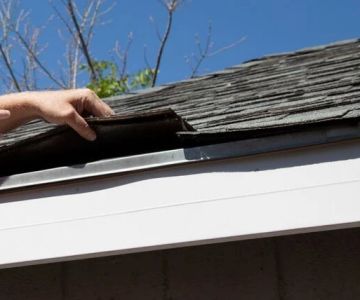
One of the most dangerous aspects of roof deterioration is how slowly it happens. A missing shingle might not seem serious, but over time it exposes underlayers to moisture. That moisture spreads, weakening insulation and structural wood.
Another common issue is clogged gutters. When water cannot drain properly, it backs up under shingles or overflows near the foundation. This creates a chain reaction of damage that often goes unnoticed until interior problems appear.
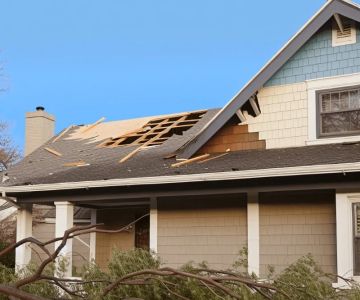
A homeowner story from Florida illustrates this clearly. After a tropical storm, a few shingles were displaced but not repaired immediately. Months later, hidden water intrusion led to mold growth inside the attic. What started as a small issue became a costly structural repair.
This is why early attention is critical when learning how to maintain roof strength effectively.
Material Quality and Its Long-Term Role in Roof Durability
Not all roofs age the same way. Material quality plays a major role in how long a roof can maintain its strength under pressure.
Asphalt shingles are common and cost-effective, but they require consistent maintenance. Metal roofing systems offer higher durability but still need periodic checks for fasteners and protective coatings. Tile roofs can last longer but are vulnerable to cracking under impact.
Understanding your roofing material helps you tailor maintenance practices more effectively. A one-size-fits-all approach rarely works when it comes to long-term structural care.
This is where expert guidance from platforms like Total Roofing Hub can help homeowners choose better maintenance strategies and products suited to their specific roof type.
Airflow, Ventilation, and Hidden Structural Stability
One of the most overlooked factors in roof health is ventilation. Poor airflow in the attic can trap heat and moisture, which gradually weakens roofing materials from the inside.
Excess heat accelerates shingle aging, while trapped moisture encourages mold and wood rot. Both issues reduce overall roof strength even if the exterior looks fine.
Proper ventilation allows the roof system to “breathe,” balancing temperature and reducing internal stress. This hidden factor often determines whether a roof lasts 15 years or 30 years.
Real Homeowner Experience: Learning After a Costly Mistake
A homeowner in California once shared their experience of ignoring small maintenance tasks for years. They assumed their roof was fine because there were no visible leaks. However, after a heavy rainy season, multiple sections of the ceiling collapsed due to hidden water damage.
The inspection revealed long-term moisture buildup caused by poor gutter maintenance and unnoticed shingle wear. The repair cost was significantly higher than if routine maintenance had been done annually.
This story is not rare. It highlights a common pattern: roofs rarely fail suddenly—they fail gradually, and silently.
Building a Long-Term Strategy for Roof Protection
Maintaining roof strength over time requires a mindset shift from reactive repair to proactive care. Instead of waiting for visible damage, homeowners benefit more from consistent attention and preventive action.
This includes seasonal inspections, debris removal, ventilation checks, and early repairs when small issues appear. Over time, these habits significantly reduce long-term costs and improve home safety.
Investing in preventive care is far more effective than dealing with emergency repairs. It protects both the structure and the value of the home itself.
 3 Point Contracting LLC5.0 (42 reviews)
 Safe & Sound Roofing & Solar0.0 (0 reviews)
 Vantage Roofing5.0 (1 reviews)
 Adan Roofing3.0 (9 reviews)
 Five Star Roofing Company - New York5.0 (10 reviews)
 Blue Jack Construction, LLC4.0 (15 reviews)
 Roof Snow Removal: Safety Tips & Do’s and Don’ts
 Siding Material Innovations: Composite, Recycled, Smart Siding for Modern Homes
 How to Recognize Hidden Roof Damage After Heavy Rain
 Best Roofing Materials for Cold Climates | Roofing Tips and Maintenance
 Siding Repair for Extreme Climates: Protect Your Home from Cold, Heat, Snow, and Humidity
 How Often Should You Replace Your Home's Siding? Key Factors to Consider