
How to Prevent Roof Damage from External Elements Before It Becomes Expensive
- Weather-Impact-On-Roofs-Rain-Snow-Wind-Sun - understand how different environmental forces slowly weaken roofing structures
- Seasonal-Maintenance-Strategies-That-Protect-Your-Home - learn how to prepare your roof for changing seasons effectively
- Early-Signs-Of-Roof-Damage-To-Watch-For - identify small warning signals before they turn into major repairs
- Long-Term-Roof-Protection-Techniques-That-Work - explore proven strategies used by professionals to extend roof life
- Common-Mistakes-That-Lead-To-Accelerated-Roof-Deterioration - avoid habits that unintentionally damage roofing systems
- Real-Life-Storm-Damage-Case-Study-Homeowner-Experience - a relatable story showing what happens when roof care is ignored
- Professional-Inspection-And-Maintenance-Recommendations - when and why expert evaluation becomes necessary
Understanding How External Elements Slowly Damage Your Roof
A roof does not usually fail in a single dramatic moment. Instead, it weakens slowly under constant exposure to external elements such as sun, wind, rain, snow, and debris. Understanding how these forces interact with roofing materials is the first step in learning how to prevent roof damage effectively.
Sun exposure, for example, causes shingles to dry out and crack over time. In colder regions, repeated freezing and thawing cycles create expansion and contraction, loosening protective layers. Even strong winds can lift shingles just enough to allow moisture underneath, leading to hidden structural decay.
One homeowner in the Midwest shared how a small unnoticed wind event eventually led to a major leak months later. What seemed like harmless weather at the time had already compromised several shingles, allowing water to slowly seep into the attic insulation.

Altus Building Solutions, LLC.
144 Shadbone Lane, Ringgold, GA 30736, USA
Weather Conditions That Most Often Cause Roof Damage
Heavy Rain and Moisture Exposure
Rain is one of the most persistent threats to roofing systems. Even minor gaps in shingles or flashing can allow water infiltration. Over time, this leads to mold growth, wood rot, and insulation damage.
Snow and Ice Accumulation
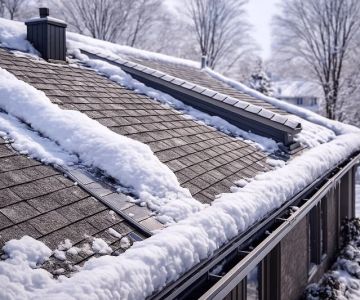
In colder climates, snow buildup adds weight stress while ice dams block proper drainage. This combination traps moisture on the roof surface, increasing long-term deterioration risks.
Strong Winds and Storm Pressure
Wind uplift is often underestimated. It can loosen shingles, expose underlayment, and create entry points for water even if the roof looks intact from the ground.
UV Radiation and Heat Exposure
Constant sunlight breaks down roofing materials at a molecular level. Asphalt shingles, in particular, become brittle over time when exposed to prolonged UV radiation.
This is why consistent roof maintenance tips are essential rather than optional, especially in regions with extreme seasonal variation.
Seasonal Maintenance Habits That Protect Your Roof
Preventing long-term damage requires adapting maintenance routines to seasonal changes. Each season presents different risks, and ignoring them increases vulnerability.
Spring and Post-Winter Inspections
Spring is the ideal time to check for winter damage. Look for missing shingles, clogged gutters, and moisture stains inside the attic. Small issues discovered early are significantly cheaper to fix.
Summer Heat Protection
During summer, ventilation becomes critical. Poor airflow traps heat in the attic, accelerating material degradation. Ensuring proper ventilation helps reduce thermal stress on roofing layers.
Fall Debris Removal
Falling leaves can block drainage systems. When gutters clog, water backs up and slowly seeps under roof edges. Regular cleaning prevents unnecessary water accumulation.
Winter Load Management
Heavy snow should be monitored, especially after storms. In some cases, controlled removal may be necessary to prevent structural strain.
Early Warning Signs of Roof Damage Most Homeowners Miss
Knowing what to look for is just as important as regular maintenance. Many roofs fail not because of sudden damage, but because early signs were ignored.
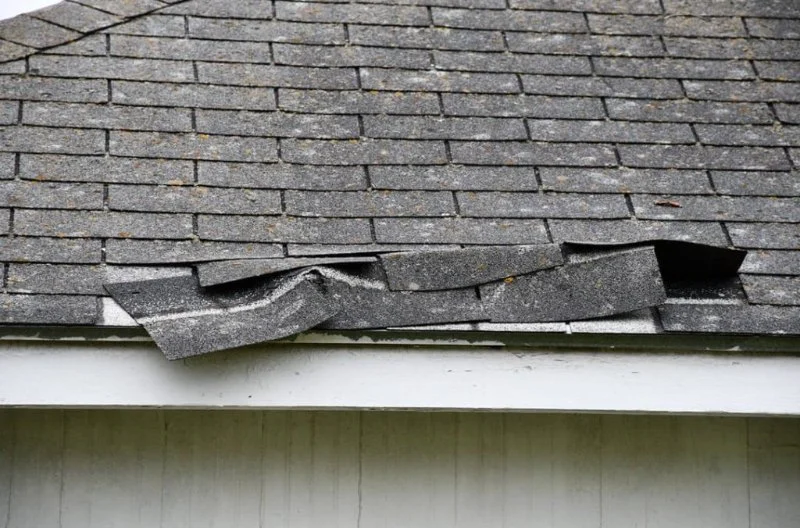
One of the most common indicators is missing or curling shingles. Another subtle warning is granule loss, which often appears in gutters. Inside the home, water stains on ceilings are an obvious but often delayed sign of leakage.
A family in Florida once noticed a faint brown stain in their hallway ceiling and assumed it was harmless condensation. Weeks later, a storm revealed a much larger underlying leak that required extensive repairs.
Learning to recognize these signals early is a key part of effective roof inspection guide practices.
Long-Term Strategies for Preventing Roof Deterioration
Protecting a roof is not just about reacting to problems but building a long-term defense system. Proper installation quality, material selection, and periodic professional inspections all play critical roles.
High-Quality Roofing Materials
Investing in durable materials can significantly reduce vulnerability to external elements. Architectural shingles, metal roofing, and synthetic options often offer extended lifespan compared to basic materials.
Proper Ventilation Systems
Ventilation balances temperature and humidity levels inside the attic, reducing moisture buildup that can weaken structural integrity.
Gutter System Maintenance
Clean and functional gutters ensure water flows away from the roof efficiently. Blocked gutters are one of the most overlooked causes of roof damage.
For homeowners seeking reliable guidance and product recommendations, Total Roofing Hub provides helpful resources and solutions tailored for long-term roofing protection.
Common Mistakes That Accelerate Roof Damage
Many roofing issues are not caused by storms or natural aging but by preventable homeowner mistakes.
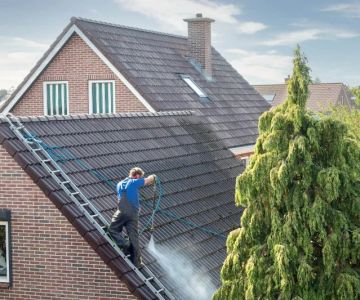
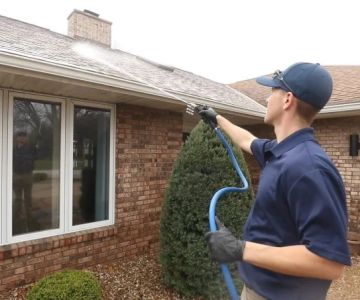
Ignoring minor repairs is one of the biggest mistakes. A small leak can escalate into structural damage if left untreated. Another common issue is pressure washing roofs too aggressively, which can strip protective layers.
Some homeowners also delay inspections, assuming a roof is fine because it “looks okay” from the ground. Unfortunately, many critical problems develop beneath the surface.
Real-Life Storm Damage Experience and Lessons Learned
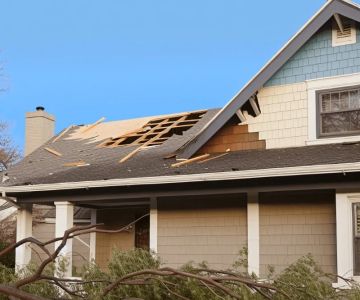
A homeowner in the southern United States once experienced a severe thunderstorm that caused minor visible damage to their roof. At first, only a few shingles appeared displaced. Believing it was not urgent, they postponed repairs.
Months later, during the next rainy season, hidden leaks spread through insulation and drywall. What could have been a simple repair turned into a full partial roof replacement.
This case highlights how external elements often create delayed damage patterns that are not immediately visible.
When Professional Roof Inspections Become Necessary
While routine homeowner checks are helpful, professional inspections provide deeper analysis using specialized tools and experience. Experts can identify hidden moisture, structural weaknesses, and early-stage material failure.
Most roofing professionals recommend at least one inspection per year, especially after severe weather events. This proactive approach significantly reduces long-term repair costs and extends roof lifespan.
Understanding how to prevent roof damage from external elements ultimately comes down to consistency, awareness, and timely action. A well-maintained roof not only protects the structure beneath it but also preserves long-term property value and safety.

 Roof Replacement Services0.0 (0 reviews)
 Tony's Roofing5.0 (2 reviews)
 K & B Home Remodelers4.0 (119 reviews)
 Leo Roofing & More0.0 (0 reviews)
 BROTHERS HPS CONSTRUCTION LLC5.0 (2 reviews)
 Blue Sky Roofing4.0 (54 reviews)
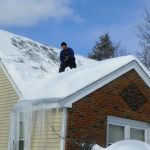 How to Protect Your Roof from Heavy Snow
 How to Prevent Water Damage from Roof Vent Problems: Complete Home Protection Guide
 How to Maintain Your Siding Year Round for Optimal Home Protection
 How to Tell If Your Roof Was Installed Incorrectly and How to Fix It
 How to Spot Hail Damage on Your Roof
 What to Know About Roofing Costs and Budgeting