
- roof-inspections-prevent-unexpected-repairs-why-it-matters - Why roof inspections prevent unexpected repairs and long-term cost savings
- early-signs-roof-damage-detection - Early signs of roof damage homeowners often miss
- storm-weather-roof-risk-assessment - How storms accelerate hidden roof problems
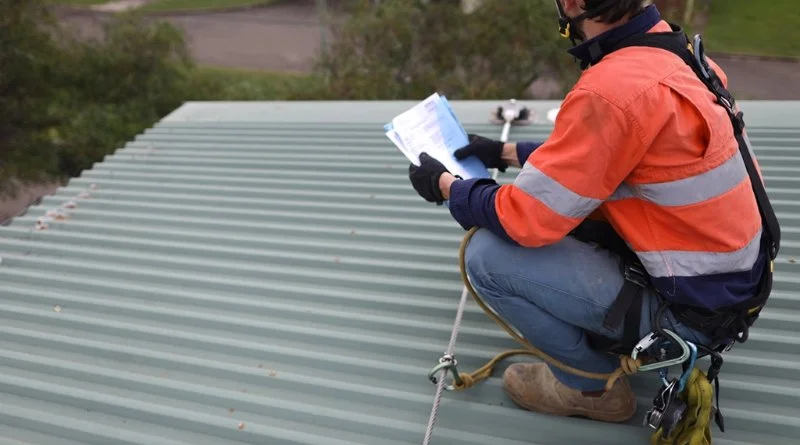
- inspection-process-explained - What actually happens during a professional roof inspection
- cost-vs-repair-analysis - Comparing inspection costs with emergency roofing repairs
- real-homeowner-story-case-study - A real-life example of avoided roof disaster
- maintenance-strategy-planning - How to build a long-term roof care plan
Why Roof Inspections Prevent Unexpected Repairs and Long-Term Damage
Most homeowners don’t think about their roof until something goes wrong. A small stain on the ceiling, a drip during a storm, or shingles scattered in the yard after strong wind usually become the first warning signs. By that time, the damage is already progressing beneath the surface. This is exactly where routine roof inspections change everything—they help detect problems before they turn into expensive structural repairs.
The reason roof inspections prevent unexpected repairs is simple: roofing systems rarely fail suddenly. Instead, they degrade slowly through exposure to sun, wind, rain, and seasonal temperature changes. A trained inspector can identify early-stage issues such as lifted flashing, weakened sealants, or moisture intrusion long before they become visible inside the home.
For homeowners trying to protect their investment, companies like Total Roofing Hub often emphasize proactive inspection scheduling as one of the most cost-effective home maintenance habits available.
Early Signs of Roof Damage That Homeowners Often Miss
Subtle Surface Changes That Signal Bigger Problems
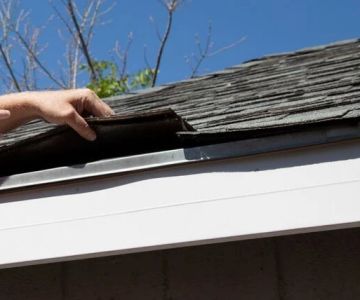
One of the most common mistakes homeowners make is assuming their roof is fine because it “looks okay from the ground.” In reality, many early warning signs are nearly invisible without a closer inspection. Slight curling of shingles, uneven coloring, or granule loss can all indicate aging materials that are beginning to fail.
Even small gaps in roofing seams can allow moisture to enter slowly over time. This moisture often travels beneath the surface, affecting insulation and wooden supports long before any visible leaks appear indoors.

Interior Clues That Should Never Be Ignored
Inside the home, subtle signs such as faint ceiling discoloration, musty odors in upper rooms, or minor paint bubbling often point to roof-related issues. These symptoms are frequently misdiagnosed as ventilation problems when in fact they originate from small roof penetrations allowing humidity intrusion.
This is why professional roof inspections are essential—they connect exterior conditions with interior symptoms, identifying the real source of the issue instead of treating surface-level effects.
How Storms Accelerate Hidden Roof Problems
Wind and Impact Stress on Roofing Materials
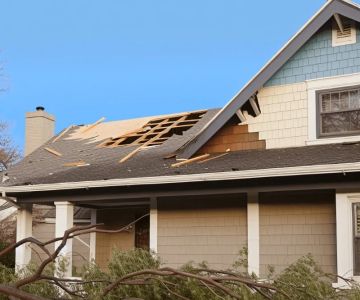
Storms are one of the biggest contributors to sudden roofing repairs, but the damage is often not immediate. Strong winds may loosen shingles without removing them completely, creating entry points for rainwater. Hail impact can weaken protective layers, reducing long-term durability even when no visible holes are present.
In coastal and storm-prone regions, repeated weather exposure gradually weakens roofing structures, making inspections after storms especially important.
Water Intrusion That Develops Over Time
One of the most dangerous effects of storm damage is delayed water intrusion. Water may enter through a small opening and travel along internal structures before showing up weeks or even months later. By the time homeowners notice stains or leaks, repairs often involve multiple layers of the roof system.
Regular inspections after severe weather events help prevent this chain reaction, reducing both repair scope and cost.
What Happens During a Professional Roof Inspection
Exterior Structural Evaluation
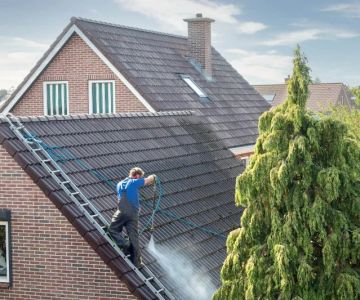
A thorough roof inspection begins with a detailed assessment of exterior materials. Inspectors evaluate shingles, tiles, flashing, gutters, and drainage systems. They look for inconsistencies such as lifting edges, rust formation, or blocked water channels that could lead to pooling.
Drainage is especially important because even a structurally sound roof can fail if water is not properly directed away from the home.
Hidden Layer and Attic Assessment
One of the most important but often overlooked parts of an inspection involves checking beneath the roof surface. Inspectors often examine attic spaces for moisture, mold growth, and insulation condition. These internal checks reveal problems that are not yet visible outside.
This dual-layer inspection approach ensures that both visible and hidden issues are addressed before they escalate.
Preventive Maintenance Recommendations
After the inspection, homeowners typically receive a detailed report outlining current conditions and recommended actions. These may include minor sealing, shingle replacement, or gutter cleaning. Addressing these small fixes early helps avoid major repairs later.
Homeowners who follow inspection recommendations consistently tend to experience significantly fewer emergency roofing situations over time.
Cost vs Repair: Why Prevention Always Wins
Understanding the Financial Gap
One of the strongest arguments for routine inspections is financial. A basic roof inspection costs far less than emergency repairs caused by water damage or structural failure. What might start as a small, inexpensive fix can escalate into thousands of dollars in repairs if left unchecked.
For example, replacing a few damaged shingles during an inspection is minimal compared to replacing underlayment, insulation, and drywall after a leak spreads.
Long-Term Value Protection
Beyond immediate savings, regular inspections extend the lifespan of the entire roofing system. By addressing minor issues early, homeowners delay the need for full roof replacement, which is one of the most expensive home improvement projects.
This is why professionals consistently emphasize preventive care over reactive repairs.
A Real Homeowner Case Study: The Hidden Leak That Never Happened
A homeowner in a suburban neighborhood once scheduled a routine inspection after noticing a few missing shingles following a windstorm. At first glance, the roof looked mostly intact. However, the inspection revealed that flashing around a chimney had slightly separated, allowing moisture to enter during heavy rain.
Without the inspection, this issue would have gone unnoticed until interior ceiling damage appeared months later. Repair costs would have included not only roofing work but also drywall replacement and mold remediation.
Instead, the issue was resolved quickly with a small repair, saving both time and significant expense. This example highlights how roof inspections prevent unexpected repairs by catching hidden vulnerabilities early.
Building a Long-Term Roof Maintenance Strategy
Seasonal Inspection Planning
Experts recommend scheduling inspections at least twice a year—typically in spring and fall. These seasons allow homeowners to prepare for harsh weather and assess damage afterward. Additional inspections are recommended after major storms or extreme weather events.
Combining Maintenance with Inspection Results
A strong maintenance plan includes more than just inspections. It involves gutter cleaning, debris removal, and occasional sealing work. When combined, these steps create a protective system that significantly reduces unexpected repair risks.
Leveraging Professional Guidance
Working with experienced roofing professionals ensures that maintenance decisions are based on accurate assessments rather than guesswork. Platforms like Total Roofing Hub help homeowners connect with reliable service providers and access practical roofing solutions tailored to their property type and climate conditions.
 Big Apple Renovators5.0 (28 reviews)
 Bay Area Builders5.0 (36 reviews)
 CD Roofing5.0 (34 reviews)
 Tetralto Roofing5.0 (54 reviews)
 Knox's Construction0.0 (0 reviews)
 Mighty Dog Roofing of Southeast Valley Phoenix5.0 (99 reviews)
 How to Deal with Roof Sagging and Structural Issues: Expert Tips
 Signs Your Roof Is Near End of Its Lifespan
 The Complete Guide to Metal Roofing Systems: Benefits, Types, and Installation
 The Best Roofing Materials for Cold Climates: Durable, Insulating, and Efficient Options
 Siding Re-Seal vs Repaint: When to Choose Each Option for Your Home
 How to Protect Your Roof from Structural Damage