
- roof-material-basics - understanding what makes roofing materials durable over time
- lifespan-comparison - how different roof types perform across decades
- weather-resistance-factors - how climate affects roofing longevity
- material-selection-guide - choosing roofing types based on real-world conditions
- maintenance-impact - how upkeep changes roof lifespan dramatically
Why Roofing Material Choice Determines Decades of Home Protection
A roof is not just a structural layer—it is a long-term investment that directly affects comfort, safety, and property value. Many homeowners focus on color or upfront cost when selecting roofing materials, but longevity is what truly determines value over time.
Understanding how to identify roofing materials that last the longest requires looking beyond appearance. Durability depends on composition, installation quality, climate exposure, and maintenance habits. A well-chosen roof can last decades longer than a cheaper alternative, even under the same weather conditions.
In a real residential case from Arizona, two neighboring homes installed different roofing systems in the same year. One used standard asphalt shingles, while the other invested in a clay tile system. Fifteen years later, the asphalt roof already showed curling and fading, while the tile roof remained structurally intact with minimal wear. This kind of comparison highlights how material selection shapes long-term outcomes.
Excel Roofing and Siding
King of PrussiaMontgomery CountyPennsylvania
1150 1st Ave Suite 501, King of Prussia, PA 19406, USA
Core Factors That Define Long-Lasting Roofing Materials
Not all roofing materials age at the same rate. Some degrade quickly under UV exposure, while others are designed to withstand decades of environmental stress. To understand long-lasting roofing materials, it is important to evaluate core performance factors.
Valley Builders and Remodeling
Los AngelesLos Angeles CountyCalifornia
5632 Van Nuys Blvd Suite 1300, Sherman Oaks, CA 91401, USA
1. Structural density and composition
Heavier and denser materials tend to last longer because they resist wind uplift and physical wear. Materials like clay tiles, slate, and metal panels often outperform lightweight options in longevity due to their structural stability.
2. Resistance to environmental stress
Roofs are constantly exposed to sun, rain, snow, and temperature fluctuations. The best durable roof types are those that maintain integrity under repeated expansion and contraction cycles without cracking or warping.
3. Installation quality
Even premium materials can fail early if installed incorrectly. Proper underlayment, flashing alignment, and ventilation all play critical roles in ensuring expected lifespan is achieved.
Comparing the Most Common Roofing Materials
Asphalt shingles and their real lifespan
Asphalt shingles remain one of the most widely used roofing materials in the United States due to affordability and ease of installation. However, their lifespan typically ranges between 15–30 years depending on climate conditions.
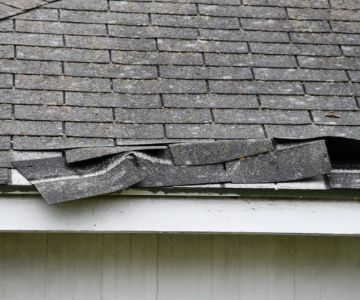
In hot and sunny regions, asphalt tends to deteriorate faster due to UV exposure, leading to curling edges and granule loss. While cost-effective initially, long-term replacement cycles may increase overall expenses.
Metal roofing and durability performance
Metal roofing has become increasingly popular among homeowners seeking long-term value. With proper installation, metal roofs can last 40–70 years or more. They resist fire, wind, and moisture exceptionally well.
A homeowner in Colorado shared how their metal roof survived multiple hailstorms with only minor cosmetic dents, while neighboring asphalt roofs required repairs after each storm season. This demonstrates why metal roof durability is often considered superior in harsh climates.
Clay and concrete tile roofing benefits
Clay tiles and concrete tiles are among the oldest roofing systems still in use today. Their lifespan can exceed 50 years, and in many cases, reach 100 years with proper maintenance.
These materials perform exceptionally well in hot climates because they naturally regulate temperature and resist UV damage. However, they require strong structural support due to their weight.
Slate roofing as a premium long-term solution
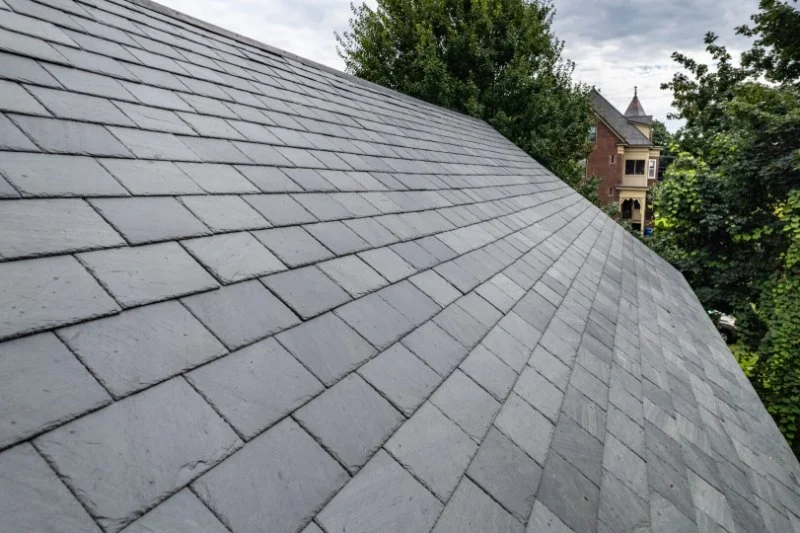
Slate is often considered the gold standard of roofing longevity. Natural slate roofs can last over a century when properly installed. The material is resistant to fire, moisture, and biological growth.
While expensive upfront, slate roofing is often chosen for historic buildings and luxury homes due to its unmatched lifespan and aesthetic appeal.
How Climate Influences Roof Lifespan
Climate plays a major role in determining how roofing materials perform over time. A roof that lasts 50 years in a mild climate may degrade significantly faster in extreme conditions.
Hot and sunny environments
Constant UV exposure accelerates material breakdown, especially for asphalt-based systems. Reflective or heat-resistant materials perform better in these regions.
Cold and snowy regions
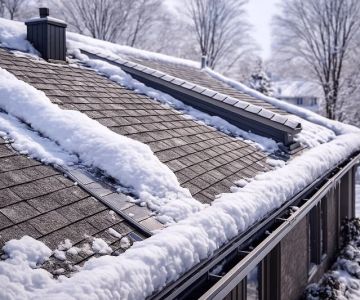
Freeze-thaw cycles can cause cracking in certain materials. Metal and properly installed asphalt shingles tend to handle snow accumulation more effectively when ventilation is optimized.
Coastal and humid areas
Salt air and moisture increase corrosion risks. Metal roofs with protective coatings or tile systems often perform better in these environments.
Maintenance and Its Impact on Roof Longevity
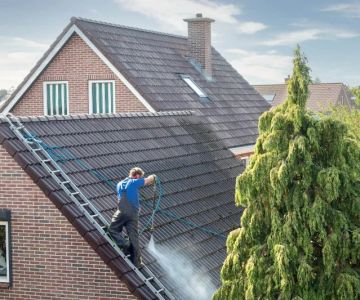
Even the highest-quality roofing materials require maintenance to reach their full lifespan potential. Small issues like clogged gutters or minor flashing leaks can shorten roof life significantly if ignored.
Routine inspection practices
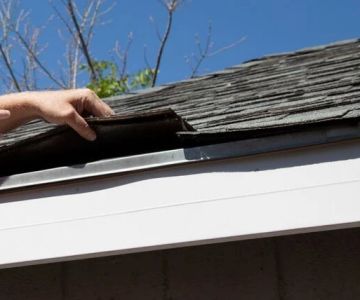
Regular inspections help identify early signs of wear such as loose shingles, cracked tiles, or rusted fasteners. Addressing these issues early prevents larger structural damage.
Ventilation and moisture control
Proper attic ventilation reduces heat buildup and moisture accumulation. Without it, even durable materials may degrade prematurely due to internal condensation.
For homeowners looking for reliable tools, materials, and expert guidance, Total Roofing Hub offers practical resources to help extend roof lifespan and choose the right roofing system for long-term performance.
Real Case Insight: Two Roofs, Two Outcomes
A suburban housing development in Texas provides a clear real-world comparison. Homes built in the same year used different roofing materials based on buyer preference. After 20 years, the differences were striking.
Homes with asphalt shingles required multiple replacements and frequent repairs due to heat damage. Meanwhile, homes with metal and tile roofing systems remained largely intact with only routine maintenance required.
This case reinforces the importance of understanding how to choose roofing materials based on long-term durability rather than short-term cost.
Practical Guidance for Choosing Long-Lasting Roofs
Selecting a roof that lasts requires balancing budget, climate, structural support, and aesthetic preference. There is no universal “best” option, but there are better choices depending on conditions.
Evaluating long-term performance instead of initial cost often leads to better financial outcomes. A roof that lasts twice as long effectively reduces replacement cycles and long-term maintenance costs.
 Conspec Materials4.0 (10 reviews)
 G.O.P Restorations LLC5.0 (20 reviews)
 Cloud 9 Roofing, LLC5.0 (21 reviews)
 CCM Builders4.0 (48 reviews)
 Abe & Jay Home Improvement Inc.5.0 (11 reviews)
 Caguana Construction Inc.4.0 (52 reviews)
 The Pros and Cons of Vinyl Siding for Homeowners
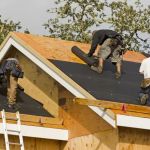 How to Replace Roof Felt or Underlayment Yourself (with Caution)
 Everything You Need to Know About Roof Warranties – Types, Coverage, and Claims
 How Much Does a New Roof Cost in 2025? – A Comprehensive Guide
 Why Roof Inspections Should Be Done Regularly for Home Protection
 How to Choose a Roofing Contractor with the Best Reputation