- Advantages of Vinyl Siding
- Disadvantages of Vinyl Siding
- Durability and Maintenance
- Cost Considerations for Vinyl Siding
- How to Choose Vinyl Siding for Your Home
Advantages of Vinyl Siding
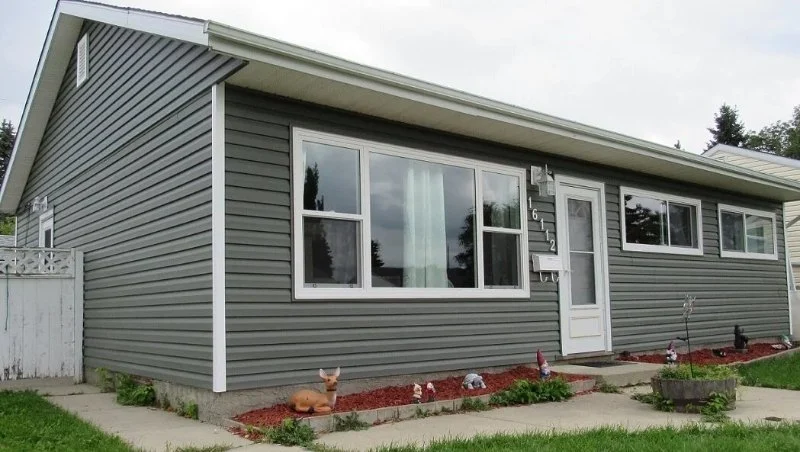
Vinyl siding has become one of the most popular choices for homeowners looking to enhance their home's exterior. Known for its durability, affordability, and aesthetic appeal, vinyl siding offers several significant benefits that can make it an attractive option for many. Let’s take a look at the advantages of vinyl siding:
- Durability: Vinyl siding is known for its long-lasting durability. It is resistant to the elements, including harsh weather, and won't rot or corrode like wood. Additionally, vinyl siding doesn’t crack or warp, making it a great option for areas that experience temperature fluctuations.
- Low Maintenance: One of the main selling points of vinyl siding is its low-maintenance nature. Unlike wood, it doesn’t require frequent painting or staining. Cleaning is also a breeze—simply wash it with soap and water to keep it looking fresh.
- Affordability: Vinyl siding is one of the most budget-friendly siding options available. It offers a great balance between cost and performance, making it an excellent choice for homeowners on a budget.
- Wide Range of Styles and Colors: Vinyl siding comes in a variety of colors, styles, and textures, allowing homeowners to achieve the look they desire. Whether you prefer a traditional, classic style or a more modern appearance, there’s a vinyl siding option to suit your tastes.
- Energy Efficiency: Modern vinyl siding often comes with additional insulation options that help improve your home's energy efficiency. This can help reduce heating and cooling costs, making it a great choice for energy-conscious homeowners.
With these advantages, it’s easy to see why vinyl siding has become a popular choice for many homeowners. However, before making your final decision, it’s important to consider some of the potential drawbacks as well.
Disadvantages of Vinyl Siding
While vinyl siding offers numerous benefits, it does have some disadvantages that may impact your decision. It's essential to weigh the pros and cons to determine if vinyl siding is the right choice for your home:
- Susceptible to Damage: While vinyl siding is durable, it can be prone to cracking or denting from impacts, such as from hail or flying debris during storms. If a panel is damaged, it can be difficult to repair, often requiring full replacement.
- Fading Over Time: Vinyl siding can fade over time, especially in areas with a lot of direct sunlight. While modern vinyl options are more resistant to fading, it’s still something to consider when choosing your siding material.
- Not Environmentally Friendly: Vinyl siding is made from PVC, which is a plastic-based material. The production of vinyl siding involves the use of chemicals, and it is not biodegradable, which can raise environmental concerns for some homeowners.
- Limited Aesthetic Appeal: While vinyl siding comes in various colors and styles, it may not have the same high-end appearance as wood or other natural materials. Some homeowners prefer the texture and feel of natural wood, which vinyl cannot replicate.
Despite these drawbacks, vinyl siding remains a practical choice for many. It’s important to consider your home's needs and preferences to determine if the disadvantages outweigh the advantages in your case.
Impriano Roofing & Siding Inc.
Kennett SquareChester CountyPennsylvania
952 E Baltimore Pike, Kennett Square, PA 19348, USA
Durability and Maintenance
One of the key factors influencing homeowners' decisions when selecting siding is the material’s durability and maintenance requirements. Vinyl siding excels in both areas:
- Long-Lasting: As mentioned earlier, vinyl siding is incredibly durable. It can withstand the elements, including high winds, rain, and extreme temperatures, without deteriorating over time.
- Minimal Upkeep: Unlike wood siding, which requires periodic maintenance like painting, staining, or sealing, vinyl siding needs very little attention once installed. This low-maintenance feature saves you time and money in the long run.
While there may be occasional repairs needed due to accidental damage, vinyl siding is among the easiest siding materials to maintain. Regular cleaning and inspections are typically all that's needed to keep it in top shape.
Cost Considerations for Vinyl Siding
When deciding whether vinyl siding is right for you, the cost is a significant factor. Compared to other siding materials like wood or fiber cement, vinyl siding is an affordable option. Here are some important cost-related factors to keep in mind:
- Lower Initial Cost: Vinyl siding is generally less expensive than wood, metal, or stone siding options. This makes it a great choice for homeowners looking to upgrade their home's exterior without breaking the bank.
- Cost of Installation: The installation cost of vinyl siding is also relatively affordable, especially if you're opting for a DIY project. However, it’s important to factor in professional installation fees if you choose to hire a contractor.
- Long-Term Savings: Vinyl siding’s low maintenance requirements and energy-efficient options can save homeowners money over time. You won’t have to spend money on regular maintenance or repairs, and if you opt for insulated vinyl, you may see a decrease in energy bills.
Ultimately, vinyl siding offers a great balance of affordability, durability, and minimal maintenance, making it a strong contender for many homeowners.
How to Choose Vinyl Siding for Your Home
If you’ve decided that vinyl siding might be the right choice for your home, here are some tips on how to choose the best option for your needs:
- Consider Your Budget: Vinyl siding is available at various price points, so it's essential to consider your budget when choosing a style and brand.
- Choose the Right Style and Color: Vinyl siding comes in many styles, including traditional lap, shakes, and scallops. It also offers a wide range of colors, so choose one that complements your home's architecture and the surrounding environment.
- Look for Quality: Not all vinyl siding is created equal. Opt for high-quality siding that is thicker, more durable, and has enhanced UV protection to prevent fading.
- Hire a Professional Installer: While vinyl siding can be a DIY project, hiring a professional installer can ensure that the siding is properly installed for maximum durability and aesthetic appeal.
Choosing the right vinyl siding involves a balance of aesthetics, cost, and durability. Consider your home’s specific needs, and consult with professionals to make the best choice for your property.
For more information and expert advice on vinyl siding, visit Total Roofing Hub for quality products, services, and recommendations tailored to your roofing and siding needs.
 Marc Joseph remodeling5.0 (1 reviews)
 PRS Roofing Inc5.0 (9 reviews)
 KAPS CONSTRUCTION4.0 (5 reviews)
 Marshall Exteriors, LLC4.0 (213 reviews)
 S.W.A.T. Roofing & Consulting4.0 (46 reviews)
 MATFI RENOVATIONS LLC5.0 (23 reviews)
 Siding Material Fire Ratings: What’s Required & What to Choose
 Roof Talk: Common Terminology Every Homeowner Should Know
 How Often Should You Replace Your Home's Siding? Expert Tips on Siding Longevity
 The Average Lifespan of Asphalt Shingle Roofs: How Long Do They Last?
 How to Choose a Reliable Roofing Contractor Near You | Top Tips and Questions
 Should I Repair or Replace My Roof? – Expert Guide for U.S. Homeowners