

Siding Wall Inspections: Behind Siding & Structural Issues
- 1- Introduction to Siding Wall Inspections
- 2- The Importance of Siding Wall Inspections
- 3- What’s Behind Your Siding? Common Structural Issues
- 4- How to Detect Structural Problems During an Inspection
- 5- Professional Recommendations for Siding Wall Maintenance
1- Introduction to Siding Wall Inspections
When it comes to maintaining the integrity of your home, siding plays a crucial role in protecting your property from weather, moisture, and other external factors. However, beneath the surface of your siding, there may be hidden issues that could lead to significant structural damage over time. Siding wall inspections are essential for identifying these potential problems early and addressing them before they escalate.
In this article, we will explore the importance of siding wall inspections, what can be hiding behind your siding, and how to detect potential structural issues that need attention.
2- The Importance of Siding Wall Inspections
Siding is your home’s first line of defense against the elements, but even the best siding systems can develop problems over time. Regular siding wall inspections help homeowners identify issues like water infiltration, mold, and even pest infestations that may not be immediately visible. By catching these issues early, you can save on costly repairs and preserve the structural integrity of your home.
Preventing Water Damage: One of the biggest risks behind siding is water damage. Moisture that gets trapped behind the siding can rot the wood framing, leading to structural instability and mold growth.
Protecting Your Investment: A thorough inspection can ensure that your home’s siding is intact and functioning properly, safeguarding the investment in your property.
3- What’s Behind Your Siding? Common Structural Issues
While your siding may look flawless on the outside, it’s what’s behind it that matters. A variety of structural issues can develop behind your siding, often without your knowledge. Here are some common issues that may be hiding behind the walls of your home:
- Moisture Damage: If water gets trapped behind the siding, it can cause wood rot, rust on the framing, or mold growth that compromises the integrity of your home.
- Insect Infestations: Termites and carpenter ants often target the wood framing behind siding, leading to extensive structural damage.
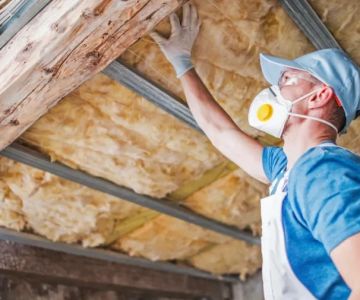
- Insulation Problems: Poor insulation behind your siding can lead to heat loss, higher energy bills, and even the growth of mold.
- Foundation Shifting: The shifting of your home’s foundation can cause issues with your siding and the structural frame behind it, leading to cracks and gaps.
These hidden issues can often go unnoticed, making regular inspections essential to ensuring your home’s long-term health.
4- How to Detect Structural Problems During an Inspection
While siding wall issues are often hidden from view, there are ways to detect potential structural problems during an inspection. Here are some signs to look for:
- Warping or Buckling Siding: If you notice any areas of your siding that are warped, buckling, or detached from the wall, it may be a sign of underlying water damage or structural instability.
- Visible Mold or Mildew: Mold and mildew growth on the siding itself or near joints may indicate that moisture is trapped behind the siding.
- Soft or Damaged Wood: If you press against the siding and it feels soft or spongy, this could indicate water damage to the wood framing behind it.
- Leaky Areas: Water stains or leaks inside your home, particularly near windows or doors, may signal a problem with the siding and the structure behind it.
If you notice any of these warning signs, it’s time to schedule a professional inspection to assess the extent of the damage.
5- Professional Recommendations for Siding Wall Maintenance
To keep your siding in optimal condition and prevent costly structural damage, consider these professional recommendations:
- Regular Inspections: Schedule annual or bi-annual inspections of your siding to identify any potential issues before they become major problems.
- Proper Sealing: Ensure that your siding is properly sealed to prevent moisture infiltration, which can lead to water damage and mold.
- Gutter Maintenance: Clean and maintain your gutters regularly to ensure water flows away from your siding, reducing the risk of water damage.
- Upgrade Your Siding: If your siding is outdated or showing signs of significant wear, consider replacing it with a more durable and weather-resistant material like fiber cement or vinyl.
By following these recommendations, you can protect your home from hidden damage and maintain its structural integrity for years to come.
 Marc Joseph remodeling5.0 (1 reviews)
 PRS Roofing Inc5.0 (9 reviews)
 KAPS CONSTRUCTION4.0 (5 reviews)
 Marshall Exteriors, LLC4.0 (213 reviews)
 S.W.A.T. Roofing & Consulting4.0 (46 reviews)
 MATFI RENOVATIONS LLC5.0 (23 reviews)
 Siding Material Fire Ratings: What’s Required & What to Choose
 Roof Talk: Common Terminology Every Homeowner Should Know
 How Often Should You Replace Your Home's Siding? Expert Tips on Siding Longevity
 The Average Lifespan of Asphalt Shingle Roofs: How Long Do They Last?
 How to Choose a Reliable Roofing Contractor Near You | Top Tips and Questions
 Should I Repair or Replace My Roof? – Expert Guide for U.S. Homeowners