
- Understanding-How-Roof-Leaks-Create-Moisture-Damage - The connection between leaks, humidity buildup, and structural deterioration
- Early-Signs-of-Roof-Leak-Issues - Stains, odors, attic dampness, and subtle warning indicators
- Effective-Roof-Maintenance-and-Prevention-Methods - Routine inspection and waterproofing strategies
- Storm-and-Weather-Related-Roof-Protection - How extreme weather accelerates moisture damage risks
- Real-Homeowner-Moisture-Damage-Case-Study - A practical example of leak prevention saving thousands
- Long-Term-Roof-Care-and-Property-Protection - Maintaining structural safety and indoor air quality
Why Moisture Damage from Roof Leaks Is One of the Most Overlooked Home Risks
Most homeowners think a roof leak is simply a minor inconvenience—maybe a small stain on the ceiling or a dripping sound during rain. In reality, roof leaks are one of the most destructive sources of hidden home damage. Understanding how to prevent moisture damage from roof leaks is essential because water intrusion rarely stays in one place. It spreads, slowly and silently, affecting insulation, wood framing, drywall, and even electrical systems.
The real danger is not the visible drip but what happens inside the structure. Moisture trapped in roofing layers creates the perfect environment for mold growth, wood rot, and long-term structural weakening. By the time signs become obvious, repairs are often far more expensive than early prevention would have been.
This is why roof maintenance is not just a seasonal task—it is a critical part of protecting your home’s long-term stability and safety.

How Roof Leaks Lead to Moisture Damage Inside the Home
The Hidden Path of Water Intrusion
When water enters through damaged shingles, flashing gaps, or weakened seals, it rarely stays near the entry point. It travels along beams, insulation layers, and wall cavities. This movement makes it difficult for homeowners to locate the actual source of the leak.
Over time, trapped moisture saturates materials that are not designed to hold water, leading to swelling, warping, and decay.
Humidity Buildup and Mold Formation
Once moisture becomes trapped inside attic spaces or walls, humidity levels rise significantly. This creates ideal conditions for mold growth, which can spread rapidly if not addressed.
Mold is not only a structural issue but also a health concern, especially for individuals with allergies or respiratory conditions.
Early Warning Signs That Indicate Roof Moisture Problems
Subtle Interior Clues Homeowners Often Miss
One of the earliest signs of roof leak issues is discoloration on ceilings or upper walls. These stains may start small but gradually expand as water continues to enter.
A musty odor in the attic or upper floors is another strong indicator of trapped moisture that should not be ignored.
Attic Inspection Discoveries
Attics often reveal problems before they become visible indoors. Damp insulation, wet rafters, or light shining through roof boards can indicate structural vulnerabilities.
Regular attic checks are one of the most effective leak detection roofing practices homeowners can perform.
How to Prevent Moisture Damage from Roof Leaks Through Maintenance
Routine Roofing Inspection Practices
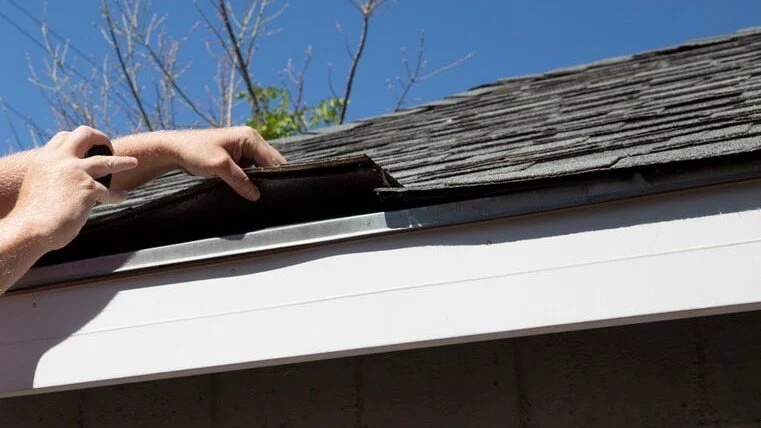
Consistent inspection is the foundation of roof leak prevention. Homeowners should examine shingles, flashing, gutters, and roof edges for signs of wear or separation.
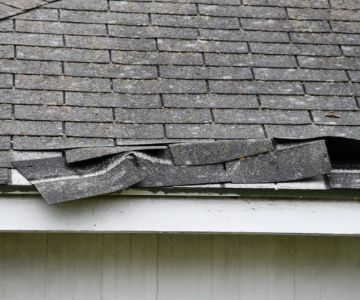
Even minor cracks or lifted shingles can allow water penetration during heavy rain or storms.
Roof Waterproofing and Protective Coatings
Modern roof waterproofing materials provide an additional barrier against moisture intrusion. These coatings help seal small vulnerabilities and extend the lifespan of roofing systems.
While not a replacement for repairs, they significantly reduce the risk of long-term moisture buildup.
Gutter Maintenance and Water Flow Control
Blocked gutters are a common cause of roof leaks. When water cannot drain properly, it backs up under shingles and into roofing structures.
Keeping gutters clean ensures proper water flow away from the home, reducing pressure on roof surfaces.
Storm and Weather Impacts on Roof Moisture Damage
Heavy Rain and Wind Pressure Effects
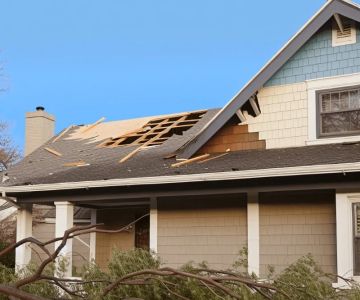
Storms can lift shingles, damage flashing, and force water into small openings. Even a brief storm can create long-term moisture problems if the roof is already vulnerable.
Seasonal Temperature Changes
Expansion and contraction caused by temperature shifts can weaken roofing materials over time. This slow degradation often goes unnoticed until leaks appear.
Preventative inspections before and after seasonal changes are essential for maintaining roofing integrity.
Real Homeowner Case Study: Preventing Major Structural Damage
A homeowner in Florida noticed small water stains in a hallway ceiling after a storm but delayed inspection, assuming it was minor condensation. Weeks later, the attic insulation was found saturated, and wooden beams showed early signs of rot.
After a professional roofing inspection, the source was traced to damaged flashing around a vent. Because the issue was caught before widespread structural failure, repairs were limited to a localized section of the roof instead of full structural replacement.
This case demonstrates how early attention to roof leaks can prevent extensive moisture damage and significantly reduce repair costs.
Long-Term Strategies for Preventing Roof Moisture Issues
Seasonal Roof Care Routine
A structured maintenance schedule is one of the most effective prevention tools. Checking the roof before winter storms and after heavy rainfall seasons helps identify early damage.
Attic Ventilation Improvement
Proper ventilation reduces humidity buildup inside attic spaces. This helps prevent condensation, which can mimic or worsen leak-related moisture damage.
Professional Roofing Inspections
While DIY checks are useful, professional inspections provide deeper insight into hidden structural issues. Roofing experts can identify risks that are not visible from the surface.
Homeowners seeking reliable materials, tools, and expert roofing solutions can explore Total Roofing Hub, where access to professional-grade resources supports effective long-term roof protection.
Protecting Your Home Through Consistent Roof Leak Prevention
Moisture damage from roof leaks is not just a maintenance issue—it is a long-term threat to home safety and property value. Consistent prevention, timely repairs, and awareness of early warning signs all work together to keep your home secure.
A well-maintained roof not only protects against weather but also preserves indoor air quality, structural strength, and long-term comfort. Taking proactive steps today can prevent costly damage tomorrow.

 Conspec Materials4.0 (10 reviews)
 G.O.P Restorations LLC5.0 (20 reviews)
 Cloud 9 Roofing, LLC5.0 (21 reviews)
 CCM Builders4.0 (48 reviews)
 Abe & Jay Home Improvement Inc.5.0 (11 reviews)
 Caguana Construction Inc.4.0 (52 reviews)
 The Pros and Cons of Vinyl Siding for Homeowners
 How to Replace Roof Felt or Underlayment Yourself (with Caution)
 Everything You Need to Know About Roof Warranties – Types, Coverage, and Claims
 How Much Does a New Roof Cost in 2025? – A Comprehensive Guide
 Why Roof Inspections Should Be Done Regularly for Home Protection
 How to Choose a Roofing Contractor with the Best Reputation