
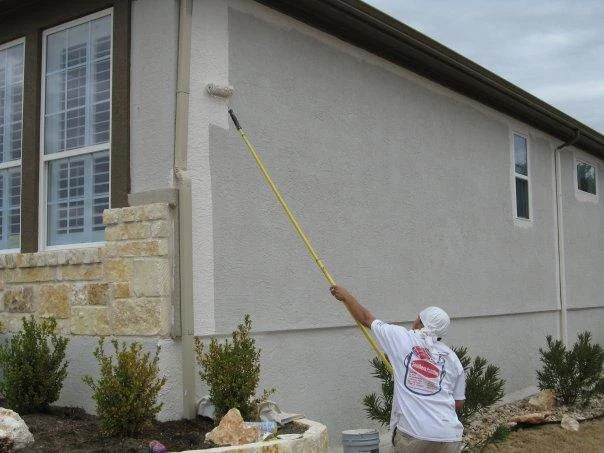
- 1-Understanding the Difference Between Re-Seal and Repaint
- 2-When to Consider Re-Sealing Your Siding
- 3-When to Consider Repainting Your Siding
- 4-Benefits and Drawbacks of Each Option
- 5-How to Decide Between Re-Sealing and Repainting
- 6-Recommended Products from Total Roofing Hub
1. Understanding the Difference Between Re-Seal and Repaint
When it comes to maintaining the exterior of your home, siding plays a critical role in both its appearance and protection. Over time, exposure to the elements can cause the siding to fade, chip, or wear down. Two common methods of restoring siding are re-sealing and repainting, but how do you know which one to choose? Both options have their advantages, depending on the condition of the siding and your long-term goals. Let’s explore the key differences between re-sealing and repainting your siding.

SHINGLE BROTHERS ROOFING AND RENOVATIONS
100 Streamside Dr, Covington, GA 30016, USA
2. When to Consider Re-Sealing Your Siding
Re-sealing is the process of applying a protective layer over your siding to maintain its durability and appearance. This option is ideal if your siding is still in good condition but could use some protection against moisture, dirt, and sun damage. The sealant prevents water from penetrating the siding, which can lead to rot or warping. Re-sealing works particularly well for wooden or vinyl siding that is starting to show signs of fading or weathering.
Re-sealing should be considered when:
- Your siding is still structurally sound and doesn't show signs of extensive damage.
- You want to maintain the current look and color of your siding without changing it.
- Your siding is made of materials like wood or composite that benefit from a layer of protective sealant.
3. When to Consider Repainting Your Siding
Repainting your siding is a more involved process and is typically recommended when your siding has sustained more significant wear or damage. Unlike re-sealing, painting allows you to refresh the color and appearance of your home. It’s also a good option if you’ve noticed fading, chipping, or peeling paint on the exterior. Repainting also provides an extra layer of protection against weather and environmental factors.
Consider repainting your siding when:
- The paint on your siding is peeling, cracking, or fading.
- You want to change the color of your siding or update the appearance of your home.
- Your siding has become more exposed to weathering and requires a thicker layer of protection.
4. Benefits and Drawbacks of Each Option
Both re-sealing and repainting offer unique benefits depending on the condition of your siding and your desired results. Let’s take a closer look at the pros and cons of each option:

Superior Roofing Columbus
ColumbusMuscogee CountyGeorgia
2206 Camille Dr Ste B, Columbus, GA 31906, USA
Re-Sealing Benefits:
- Cost-Effective: Re-sealing is generally cheaper than repainting because it requires fewer materials and less time.
- Quick Application: Sealing can be done quickly, allowing you to maintain your siding’s appearance without much disruption.
- Enhanced Protection: A good sealant can protect against moisture, dirt, and UV damage, extending the lifespan of your siding.
Re-Sealing Drawbacks:
- Limited Aesthetic Change: Re-sealing doesn’t change the color or appearance of your siding, so it’s not an option for a fresh look.
- Not for Damaged Siding: If your siding is already damaged, re-sealing may not be enough to address structural issues.
Repainting Benefits:
- Visual Transformation: Repainting gives you the chance to change the color of your home and refresh its look.
- Additional Protection: Fresh paint provides an extra layer of protection against the elements, including rain and UV rays.
- Long-Term Investment: Properly applied paint can last for years, offering long-term protection and aesthetic improvement.
Repainting Drawbacks:
- Higher Cost: Repainting tends to be more expensive because it requires more time, labor, and materials.
- Labor-Intensive: The process of prepping, priming, and painting can be time-consuming and may require professional help.
5. How to Decide Between Re-Sealing and Repainting
Deciding between re-sealing and repainting comes down to a few key factors: the condition of your siding, your aesthetic preferences, and your budget. If your siding is still in good shape and you’re mainly concerned with protection, re-sealing may be the right option. However, if your siding shows signs of significant wear or if you're looking for a new look, repainting might be the better choice.
Consider the following to make your decision:
- If the appearance of your siding is still relatively good but fading or weathering is occurring, re-sealing could restore its protective layer.
- If your siding has cracks, peeling, or significant discoloration, a fresh coat of paint may be necessary to maintain both protection and aesthetics.
6. Recommended Products from Total Roofing Hub
At Total Roofing Hub, we offer high-quality siding materials, sealants, and paints to help homeowners maintain the exterior of their homes. Whether you decide to re-seal or repaint your siding, our selection of products can ensure a long-lasting and beautiful finish. Visit our website for expert recommendations on the best products for your specific needs.




 Marc Joseph remodeling5.0 (1 reviews)
 PRS Roofing Inc5.0 (9 reviews)
 KAPS CONSTRUCTION4.0 (5 reviews)
 Marshall Exteriors, LLC4.0 (213 reviews)
 S.W.A.T. Roofing & Consulting4.0 (46 reviews)
 MATFI RENOVATIONS LLC5.0 (23 reviews)
 Siding Material Fire Ratings: What’s Required & What to Choose
 Roof Talk: Common Terminology Every Homeowner Should Know
 How Often Should You Replace Your Home's Siding? Expert Tips on Siding Longevity
 The Average Lifespan of Asphalt Shingle Roofs: How Long Do They Last?
 How to Choose a Reliable Roofing Contractor Near You | Top Tips and Questions
 Should I Repair or Replace My Roof? – Expert Guide for U.S. Homeowners