- understanding-roof-inspections - what professional roof inspections include and why they matter
- hidden-costs-prevention - how inspections prevent expensive structural damage
- seasonal-roof-risk - why weather cycles increase roof vulnerability over time
- real-homeowner-story - a real-life example of avoiding major repair costs
- inspection-process-breakdown - step-by-step explanation of how experts evaluate roofs
- maintenance-strategy-value - how regular inspections extend roof lifespan
- when-to-schedule-inspection - timing recommendations for maximum protection
Why Roof Evaluation Has Become a Financial Decision, Not Just Maintenance
Homeowners often think of roof care as something you only deal with when a leak appears. But in reality, modern housing maintenance has shifted toward prevention-first thinking. A professional roof inspection is no longer just a technical service—it’s a financial safeguard.
In many U.S. regions, roofing systems face extreme swings in temperature, humidity, wind load, and seasonal storms. These conditions slowly weaken shingles, flashing, seals, and underlayment long before any visible damage appears inside the home. That hidden deterioration is exactly what makes professional roof inspections so valuable.
Companies like Total Roofing Hub have seen a clear trend: homeowners who schedule regular inspections spend significantly less over a 10–15 year period compared to those who only react to visible damage.
What a Professional Roof Inspection Actually Covers
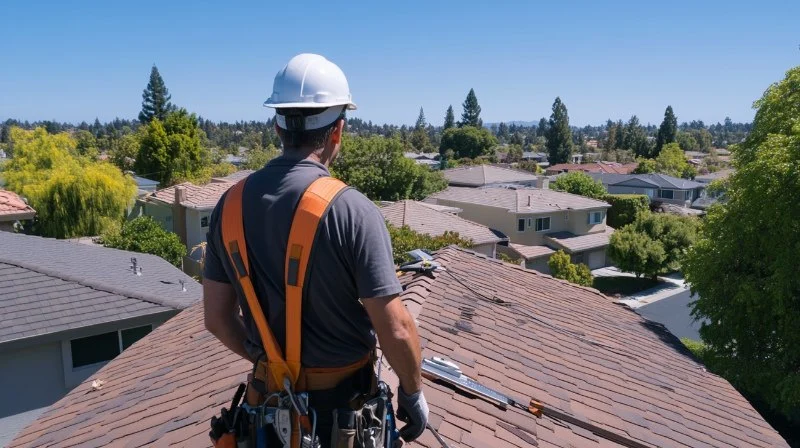
A proper inspection is far more detailed than a quick visual glance from the ground. It is a structured evaluation that examines every layer of the roofing system, from exterior shingles to internal ventilation pathways.
1. Surface Condition Analysis
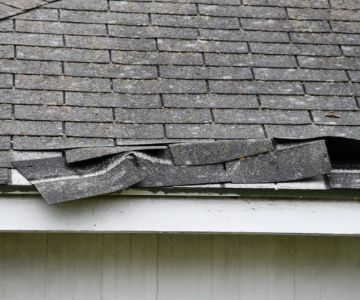
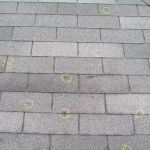
Inspectors evaluate shingles or roofing membranes for curling, cracking, granule loss, and storm impact marks. Even small imperfections are recorded because they often signal deeper structural stress.
2. Flashing and Seal Integrity
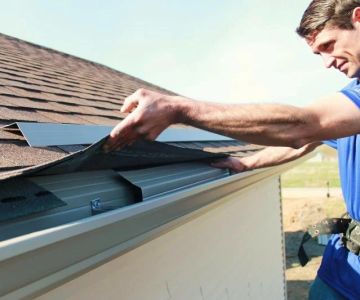
Flashing around chimneys, skylights, and vents is one of the most common failure points. Professionals check whether seals are still watertight or beginning to separate due to thermal expansion.
3. Moisture and Hidden Leak Detection
Advanced inspections may include infrared scanning or attic moisture mapping. This helps detect leaks that haven’t yet appeared as ceiling stains.
4. Structural Alignment and Load Stress
Over time, roofs can shift slightly due to wind exposure or foundation settling. Inspectors assess whether structural balance remains within safe limits.
How Inspections Prevent Expensive Home Repairs
The real value of roof inspections becomes clear when comparing prevention costs with emergency repair costs. A small unnoticed leak can escalate into insulation damage, mold growth, and even electrical hazards.
A common case seen in suburban neighborhoods involves minor shingle damage after storms. Homeowners who skip inspections often discover the issue months later—by then, water has already penetrated the decking layer.
Repairing that level of damage can cost several times more than a routine inspection. This is why experts consistently emphasize that roof maintenance is not an expense—it is risk reduction.
Why Seasonal Changes Slowly Damage Your Roof
Roof systems expand and contract with temperature fluctuations. Over time, this cycle weakens adhesive bonds and creates micro-gaps that allow moisture intrusion.
Winter Stress
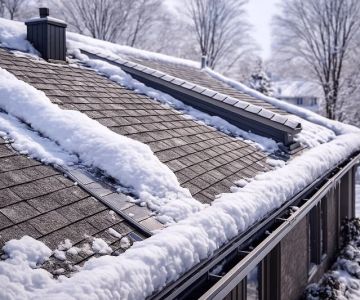
Ice accumulation increases weight load and can force water under shingles when freeze-thaw cycles occur.
Summer Heat Exposure
UV radiation dries out roofing materials, making them brittle and more likely to crack under pressure.
Storm Season Impact
High winds can lift edges of shingles, while heavy rain tests drainage efficiency and seal strength.
Without periodic inspection, these seasonal effects accumulate silently until failure becomes unavoidable.
A Real Case: The $200 Inspection That Saved $9,000
A homeowner in the Midwest scheduled a routine inspection after noticing slight discoloration on a bedroom ceiling. The inspection cost was minimal, but the technician discovered early-stage flashing failure around a chimney.
Had it gone unnoticed for another few months, rainwater would have reached the attic insulation and wooden beams, requiring extensive replacement work.
Instead, a simple repair solved the issue. The homeowner later described the inspection as “the cheapest peace of mind purchase I’ve ever made.”
How Professionals Conduct a Full Roof Evaluation
Understanding the inspection workflow helps homeowners appreciate why the service carries real value.
Step 1: Exterior Walkthrough
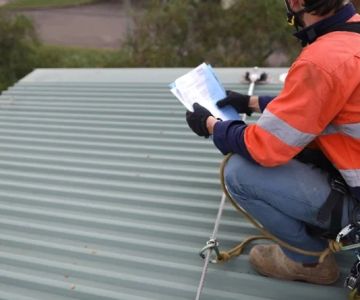
The inspector assesses slope, drainage paths, and visible surface damage from multiple angles.
Step 2: Roof-Level Examination
A closer inspection identifies weak points in shingles, fasteners, and protective layers.
Step 3: Attic and Interior Check
Moisture signs, insulation condition, and ventilation performance are reviewed.
Step 4: Detailed Reporting
Findings are documented with repair recommendations prioritized by urgency.
Long-Term Value of Regular Roof Maintenance
Regular inspections extend roof lifespan significantly. Instead of waiting for failure, small repairs are made early, preventing system-wide deterioration.
Many roofing professionals estimate that consistent maintenance can extend a roof’s life by 25–40%. That difference can translate into thousands of dollars saved over time.
This proactive approach is why homeowners increasingly rely on services like Total Roofing Hub to schedule routine evaluations before issues escalate.
Best Timing for Roof Inspections
The ideal schedule depends on environmental exposure, but most experts recommend at least one inspection per year. In storm-prone regions, twice yearly checks are more appropriate.
After severe weather events, immediate inspection is strongly advised—even if no visible damage is present.
Early detection is always less expensive than delayed repair, and timing plays a critical role in preventing escalation.
 The Window Source of Middle Georgia5.0 (1 reviews)
 Stay Dry Roofing5.0 (4 reviews)
 Orange County Roofing & Siding5.0 (33 reviews)
 Ace Roofing & Construction LLC4.0 (14 reviews)
 Evolve Construction & Restoration CA4.0 (121 reviews)
 Roofing Restoration5.0 (13 reviews)
 Siding Sealing & Caulking Best Practices: Protect Your Home from the Elements
 Best Roofing Materials to Prevent Mold & Mildew Growth
 How to Choose the Right Shingle Color to Improve Curb Appeal
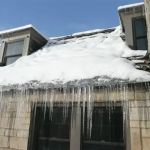 What Is Ice Dam, How It Forms, and How to Prevent It on Your Roof
 DIY vs Professional Roof Replacement: What’s Safer & More Cost-Effective
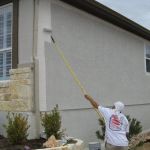 Siding Re-Seal vs Repaint: When to Choose Each Option for Your Home