- Importance of Fire-Resistant Siding
- Best Materials for Siding in Fire Hazard Zones
- How to Choose the Right Fire-Resistant Siding Material
- Fire Safety Tips for Homes in Fire-Prone Areas
Importance of Fire-Resistant Siding
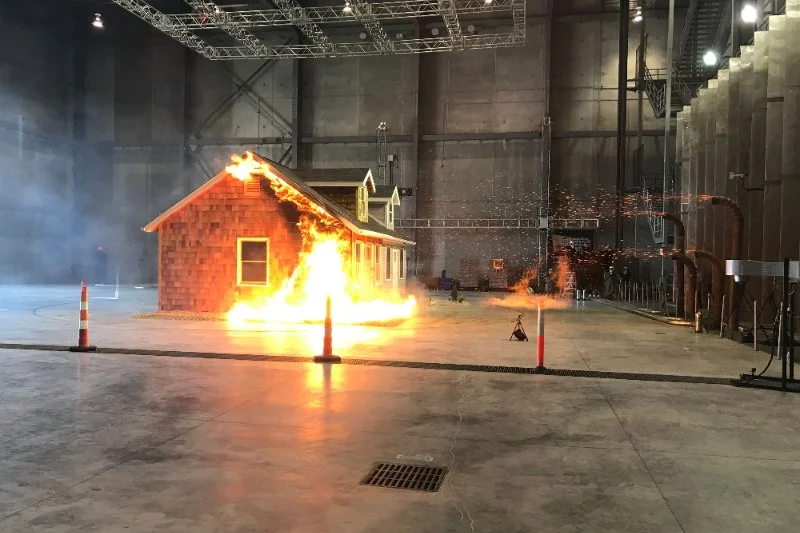
Living in a fire-prone area means taking every step possible to protect your home from the devastating effects of wildfires. One of the most effective ways to safeguard your property is by choosing fire-resistant siding materials. These materials are designed to resist catching fire and slow the spread of flames, offering crucial protection to your home and its occupants during a wildfire.
Wildfires can spread quickly, especially in dry areas where vegetation and homes with flammable materials can easily catch fire. As part of your home’s defense, fire-resistant siding not only protects your home’s exterior but also helps prevent a fire from entering your home, reducing the risk of costly damage or even total loss. Selecting the right materials can make all the difference in preserving the integrity of your home when disaster strikes.

Best Materials for Siding in Fire Hazard Zones
When choosing siding materials for homes in fire hazard zones, there are several options that offer excellent fire resistance. Some of the most popular and effective choices include:
DP Roofing & Construction
Whitney PointBroome CountyNew York
11 Waverly Rd, Whitney Point, NY 13862, USA
1. Fiber Cement Siding
Fiber cement siding is one of the most fire-resistant options available. Made from a blend of cement, sand, and cellulose fibers, this material is not only resistant to fire but also to moisture, pests, and rot. It has a Class 1-A fire rating, which is the highest level of fire resistance. Fiber cement siding can withstand high temperatures and prevent the spread of flames, making it an excellent choice for homes in wildfire-prone areas.
2. Metal Siding
Metal siding, including aluminum and steel, is another popular option for homes in fire hazard zones. Metal is non-combustible and can withstand extreme heat, making it a fireproof choice for your home’s exterior. Additionally, metal siding is durable and requires minimal maintenance, making it a long-lasting solution. Its reflective properties can also help in reducing energy costs, as it keeps your home cooler during the summer months.
3. Stucco Siding
Stucco is a traditional and highly fire-resistant material that is commonly used in areas with high fire risk. It is made from cement, sand, and lime, which makes it inherently non-combustible. Stucco is ideal for homes in fire-prone areas because it provides a strong barrier against flames and can help protect the structure of the home. Additionally, stucco siding offers excellent insulation and is low maintenance.
4. Brick and Stone Siding
Brick and stone are natural materials that are incredibly fire-resistant. Both materials are non-combustible and can endure intense heat without catching fire. While brick and stone are more expensive than other siding options, their fire resistance and durability make them worth the investment for homeowners in fire hazard zones. These materials also add aesthetic appeal and value to your home.
5. Concrete Siding
Concrete siding, such as concrete panels or boards, is another fireproof option for homes in wildfire-prone areas. It’s extremely durable, resistant to fire, and can withstand high temperatures. Concrete siding also provides soundproofing and insulation, contributing to a more energy-efficient home. However, it’s heavier and may require professional installation to ensure its effectiveness.
How to Choose the Right Fire-Resistant Siding Material
When selecting the best siding material for your home, there are a few key factors to consider beyond just fire resistance:
- Climate and Weather Conditions: Consider the climate in your area, as some materials may perform better in specific environments. For example, fiber cement and stucco are excellent choices for humid climates, while metal siding performs well in both hot and cold climates.
- Cost: While fire-resistant materials are more expensive than traditional options, they can save you money in the long run by reducing the risk of damage from wildfires. Compare the upfront costs with the potential savings from insurance and repairs.
- Maintenance Requirements: Some materials require more maintenance than others. For example, while stucco and fiber cement are low-maintenance, wood siding may require periodic painting or sealing to maintain its effectiveness.
- Appearance: Fire-resistant siding materials come in a variety of colors, textures, and finishes. Choose a material that complements your home’s style while offering the fire protection you need.
Fire Safety Tips for Homes in Fire-Prone Areas
Aside from installing fire-resistant siding, here are additional tips to help protect your home from wildfires:
- Keep Your Yard Clean: Maintain a defensible space around your home by clearing dead vegetation, leaves, and debris. This reduces the fuel available for a fire to spread.
- Install Spark Arresters: Equip chimneys and stovepipes with spark arresters to prevent embers from escaping and igniting nearby vegetation.
- Use Fire-Resistant Landscaping: Choose fire-resistant plants and materials for your landscaping to further reduce the risk of fire spreading to your home.
- Stay Informed: Always stay informed about fire danger in your area. Have an evacuation plan and keep fire safety equipment, such as hoses and fire extinguishers, readily available.
Case Study: Fire-Resistant Homes in California
In California, which is known for its frequent wildfires, homeowners have been turning to fire-resistant siding materials to protect their homes. One example is a neighborhood in Santa Rosa, where homes that were built with fiber cement and stucco siding were able to withstand the wildfires better than those with traditional wood siding. The fire-resistant materials helped slow the spread of flames, and many homes in the area were left largely unharmed while others were destroyed.
By investing in fire-resistant siding and taking proactive steps to protect their properties, homeowners in fire-prone areas can significantly reduce the risk of severe damage from wildfires. With the right materials and precautions, your home can be safer and more resilient in the face of natural disasters.
 Marc Joseph remodeling5.0 (1 reviews)
 PRS Roofing Inc5.0 (9 reviews)
 KAPS CONSTRUCTION4.0 (5 reviews)
 Marshall Exteriors, LLC4.0 (213 reviews)
 S.W.A.T. Roofing & Consulting4.0 (46 reviews)
 MATFI RENOVATIONS LLC5.0 (23 reviews)
 Siding Material Fire Ratings: What’s Required & What to Choose
 Roof Talk: Common Terminology Every Homeowner Should Know
 How Often Should You Replace Your Home's Siding? Expert Tips on Siding Longevity
 The Average Lifespan of Asphalt Shingle Roofs: How Long Do They Last?
 How to Choose a Reliable Roofing Contractor Near You | Top Tips and Questions
 Should I Repair or Replace My Roof? – Expert Guide for U.S. Homeowners