
- 1- Understanding Roof Valleys and Downspouts
- 2- Common Issues with Roof Valleys
- 3- Maintenance Tips for Roof Valleys
- 4- How to Maintain Downspouts
- 5- Total Roofing Hub Recommendations
1- Understanding Roof Valleys and Downspouts
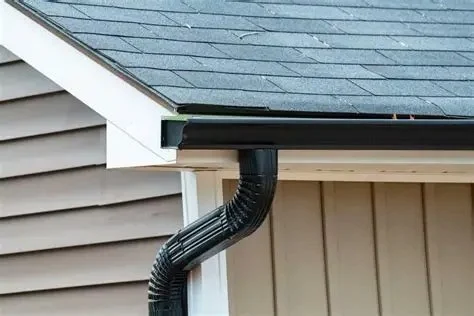
Roof valleys and downspouts are two essential elements of a roofing system that help with water drainage. Roof valleys are the areas where two roof slopes meet, and they are designed to channel rainwater or melted snow away from the roof. Downspouts, on the other hand, are vertical pipes that carry water from the roof and gutters down to the ground or drainage system. Maintaining both of these components is crucial to prevent water damage, leaks, and other roofing issues.

2- Common Issues with Roof Valleys
Roof valleys are particularly vulnerable to certain issues, especially if they are not regularly maintained. Common problems include:
- Debris buildup: Leaves, twigs, and other debris can accumulate in roof valleys, blocking the water flow and causing pooling or leaks.
- Wear and tear: Over time, roofing materials in the valley can deteriorate, leading to gaps and cracks where water can seep through.
- Improper installation: If valleys are not installed properly, water may not flow as intended, leading to damage and potential structural issues.
To avoid these problems, it's essential to inspect your roof valleys regularly and address any issues promptly.

3- Maintenance Tips for Roof Valleys
Proper maintenance of your roof valleys is essential for ensuring your roof’s longevity and preventing leaks. Here are some key maintenance tips:
1. Regular Cleaning
Make sure to clean your roof valleys at least once a year, or more often if you live in an area with heavy tree coverage. Removing debris like leaves, branches, and dirt will prevent blockages that can lead to water backup and leaks.
2. Inspect for Damage
Look for any signs of damage, such as cracks, gaps, or worn-out roofing materials in the valley. If you notice any damage, it’s important to repair it as soon as possible to prevent water from entering your home.
3. Check for Proper Water Flow
After cleaning, check the water flow in your roof valleys. Make sure that water is flowing freely down the valley and into the gutters, not pooling or backing up. If water is not flowing as it should, the valley may need to be adjusted or repaired.
4- How to Maintain Downspouts
Downspouts play a crucial role in directing water away from your roof and foundation. Regular maintenance is necessary to ensure they function properly. Here are some tips for maintaining downspouts:
1. Clear Blockages
Downspouts can easily become clogged with debris, especially during the fall when leaves are falling from trees. Make sure to inspect the downspouts for any blockages and clear them out regularly. You can use a plumber's snake or a garden hose to flush out debris.
2. Check for Proper Alignment
Ensure that your downspouts are properly aligned and that the water flows smoothly down and away from the foundation. Misaligned or disconnected downspouts can cause water to pool around your home, leading to potential damage.
3. Inspect for Leaks
Check for any leaks or cracks in the downspouts. Leaky downspouts can lead to water damage and erosion around your home's foundation. Seal any small cracks, or replace the downspout if necessary.
5- Total Roofing Hub Recommendations
At Total Roofing Hub, we understand the importance of maintaining roof valleys and downspouts to protect your home from water damage. Our experts recommend scheduling regular roof inspections to ensure these critical components are functioning properly. If you notice any issues, it’s important to address them promptly to avoid costly repairs down the line. For expert advice and top-quality roofing products, visit Total Roofing Hub today!


 Marc Joseph remodeling5.0 (1 reviews)
 PRS Roofing Inc5.0 (9 reviews)
 KAPS CONSTRUCTION4.0 (5 reviews)
 Marshall Exteriors, LLC4.0 (213 reviews)
 S.W.A.T. Roofing & Consulting4.0 (46 reviews)
 MATFI RENOVATIONS LLC5.0 (23 reviews)
 Siding Material Fire Ratings: What’s Required & What to Choose
 Roof Talk: Common Terminology Every Homeowner Should Know
 How Often Should You Replace Your Home's Siding? Expert Tips on Siding Longevity
 The Average Lifespan of Asphalt Shingle Roofs: How Long Do They Last?
 How to Choose a Reliable Roofing Contractor Near You | Top Tips and Questions
 Should I Repair or Replace My Roof? – Expert Guide for U.S. Homeowners