
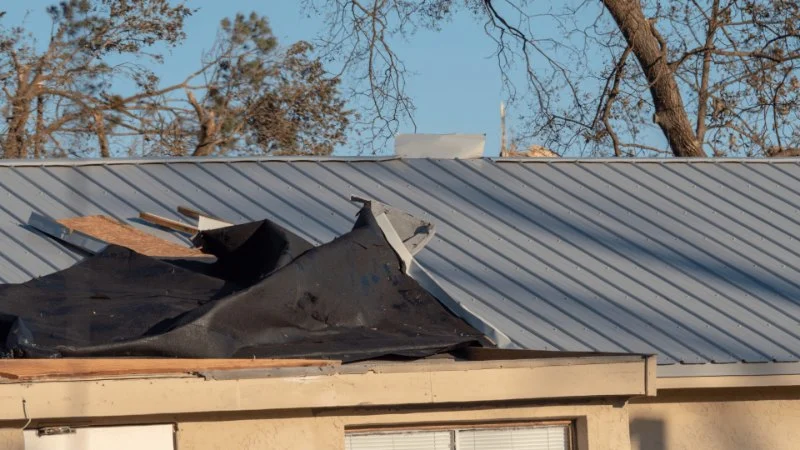
- 1. Warning Signs Your Roof Needs Repair
- 2. How to Inspect Your Roof for Damage
- 3. Common Roof Repair Issues Before a Storm
- 4. Why Timely Roof Repairs Are Critical Before a Storm
- 5. When to Call a Professional Roofing Contractor
- 6. Tips for Protecting Your Roof Before a Storm
1. Warning Signs Your Roof Needs Repair
Roof damage can be hard to spot until it’s too late, especially before a major storm hits. However, by knowing the common signs that your roof may need repair, you can prevent costly damage later. Here are some of the key indicators that your roof might need attention:
- Visible Leaks: If you notice water stains on your ceiling or walls, or if you experience water dripping inside your home, it’s a clear sign that your roof has leaks that need immediate attention.
- Missing or Damaged Shingles: After a windy or rainy day, check your roof for missing or damaged shingles. A few missing shingles can lead to leaks and significant damage when a storm hits.
- Granules in the Gutters: If you notice a significant amount of granules from your shingles in your gutters, it may mean that the shingles are wearing down and need replacing.
- Cracked or Curling Shingles: Shingles that are curled, cracked, or split are less effective at protecting your home from water damage and need to be repaired or replaced.
- Water Stains or Mold: If you spot mold or mildew in your attic, it could be a sign that your roof is leaking or has inadequate ventilation, allowing moisture to build up.
Being proactive and catching these signs early can save you time, money, and a lot of stress when the next storm comes around.
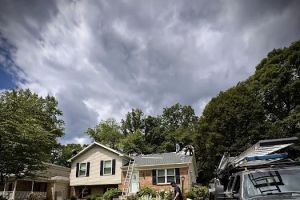
2. How to Inspect Your Roof for Damage
Inspecting your roof regularly is one of the best ways to stay ahead of potential damage. Here’s how you can perform a basic roof inspection to check for any issues:
- Check the Exterior: Use a ladder (or binoculars if you're not comfortable on a ladder) to examine your roof’s surface for any visible damage. Look for cracked, curling, or missing shingles, as well as any debris that may have accumulated on the roof.
- Inspect the Flashing: The flashing around chimneys, vents, and skylights can deteriorate over time. Check for rust, gaps, or damage in these areas, as they can be points where water can seep in.
- Look for Sagging Areas: A sagging roof is a major sign of structural damage, often caused by water accumulation or a weakening roof deck. If you notice any sagging, it’s crucial to call a professional immediately.
- Examine Your Attic: Head up to your attic and look for signs of light coming through the roof. If you see light, it’s likely that there are holes or cracks in your roof that need to be repaired. Additionally, check for any water stains, mold, or mildew, which can indicate leaks.
While it’s possible to inspect your roof on your own, it’s essential to exercise caution when using ladders or working on heights. If you’re unsure about the condition of your roof or feel uncomfortable performing an inspection, it's a good idea to call a professional.

Preferred Customer Home Improvement
2715 Lenox-New Lyme Rd, Jefferson, OH 44047, USA
3. Common Roof Repair Issues Before a Storm
Before the next storm hits, it's important to address common roofing issues to ensure your home stays protected. Here are some common roof repair issues to watch out for:
- Damaged Shingles: High winds, rain, or even snow can cause shingles to lift, crack, or go missing. Damaged shingles create vulnerable spots that allow water to seep into your roof.
- Clogged Gutters: Gutters that are clogged with leaves and debris can cause water to back up and spill over the sides, which can lead to water damage and even affect your roof’s integrity.
- Improperly Sealed Flashing: Flashing helps prevent leaks around chimneys, skylights, and vents. If it’s improperly sealed or damaged, it can lead to leaks during storms.
- Age of the Roof: As roofs age, they become more susceptible to damage. A roof that is nearing the end of its lifespan may need more frequent repairs or even replacement to keep your home safe during a storm.
Addressing these issues before a storm can save you the headache of dealing with severe damage and costly repairs later on.
4. Why Timely Roof Repairs Are Critical Before a Storm
Timely roof repairs are critical to ensuring your home remains safe and dry when bad weather strikes. Here’s why:
- Prevents Further Damage: A small issue like a missing shingle or a small leak can escalate quickly during a storm, leading to extensive damage and higher repair costs.
- Avoids Water Damage: Roof leaks during storms can cause water to seep into your home, damaging ceilings, walls, insulation, and personal belongings.
- Protects Your Home’s Structure: The longer you wait to repair a damaged roof, the more likely it is that water will damage the roof deck, attic, and even the foundation, leading to more expensive and extensive repairs.
By taking care of roof repairs promptly, you can avoid costly repairs and keep your home safe and secure before the storm arrives.
5. When to Call a Professional Roofing Contractor
If you notice any of the signs mentioned above, it may be time to call a professional roofing contractor for a more thorough inspection and repair. Here are some situations when it's best to consult with a pro:
- If You Spot Major Damage: If you see significant damage, like a large portion of your roof missing, sagging, or visible structural issues, it’s essential to call a professional immediately.
- If You’re Unsure About the Condition: If you're unsure about the state of your roof or if you’re unable to safely perform an inspection, calling a professional ensures that any damage is accurately assessed.
- For Safety Concerns: If you have any safety concerns when inspecting or repairing your roof, it’s always better to call in an expert rather than risk injury.
Professional roofing contractors have the experience and equipment necessary to address roof issues quickly and effectively, ensuring your home is protected before the next storm.
6. Tips for Protecting Your Roof Before a Storm
In addition to repairing any existing issues, there are a few things you can do to protect your roof before a storm:
- Clear Debris from the Roof: Remove any leaves, branches, or other debris from your roof and gutters to prevent blockages and ensure proper water drainage during heavy rain.
- Trim Overhanging Trees: Trim any branches that overhang your roof to prevent them from falling onto the roof during a storm.
- Secure Loose Objects: If you have outdoor furniture or other objects on your roof, make sure they’re secured to prevent them from being blown away and causing damage.
- Apply a Roof Sealant: A roof sealant can help create an extra layer of protection against water penetration, making it harder for leaks to form during a storm.
Taking these proactive steps can help prevent roof damage during a storm and give you peace of mind knowing your home is better protected.
For the best roofing products and services, visit Total Roofing Hub to find trusted contractors and high-quality materials to keep your roof in top shape.
 Marc Joseph remodeling5.0 (1 reviews)
 PRS Roofing Inc5.0 (9 reviews)
 KAPS CONSTRUCTION4.0 (5 reviews)
 Marshall Exteriors, LLC4.0 (213 reviews)
 S.W.A.T. Roofing & Consulting4.0 (46 reviews)
 MATFI RENOVATIONS LLC5.0 (23 reviews)
 Siding Material Fire Ratings: What’s Required & What to Choose
 Roof Talk: Common Terminology Every Homeowner Should Know
 How Often Should You Replace Your Home's Siding? Expert Tips on Siding Longevity
 The Average Lifespan of Asphalt Shingle Roofs: How Long Do They Last?
 How to Choose a Reliable Roofing Contractor Near You | Top Tips and Questions
 Should I Repair or Replace My Roof? – Expert Guide for U.S. Homeowners