- Understanding Roof Overlay vs Replacement
- When Is a Roof Overlay a Good Option
- Benefits and Drawbacks of a Roof Overlay
- Advantages of Full Roof Replacement
- Real-World Examples and Homeowner Insights
- Choosing the Right Option with Total Roofing Hub
Understanding Roof Overlay vs Replacement
When it comes to maintaining or improving your home, the roof is one of the most important investments. Yet, many homeowners face a common question: should you opt for a roof overlay or a complete replacement? Both methods aim to restore protection and curb appeal, but they differ in cost, longevity, and structural impact.
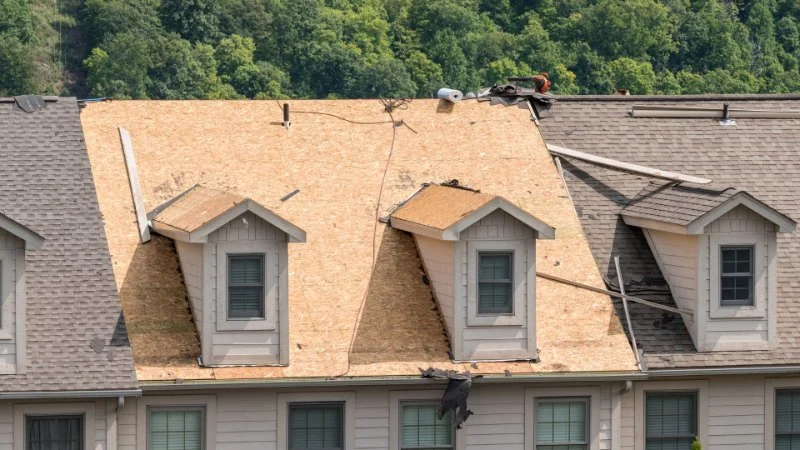
A roof overlay—also known as re-roofing—means adding a new layer of shingles over the existing one. This process is faster and less expensive, but it’s not suitable for every home. On the other hand, a roof replacement involves removing the old materials entirely before installing new shingles, offering a more durable long-term solution.
Major Home Improvements LLC - Roofing
WestfieldHampden CountyMassachusetts
22 Verona St, Westfield, MA 01085, USA
When Is a Roof Overlay a Good Option
Overlaying a roof can be a smart choice if your existing roof is in relatively good condition. This means no major leaks, soft spots, or damaged decking beneath the shingles. Many homeowners choose overlays for budget or time-saving reasons—especially when the roof’s structure is still solid.

1. The Ideal Scenario for an Overlay
If your home has only one layer of shingles and minimal wear, an overlay might make sense. It provides a quick refresh that improves curb appeal without the cost of a full teardown.
2. Situations to Avoid Overlays
Overlays are not suitable if your roof has multiple layers, significant moisture damage, or sagging. Adding extra weight can worsen structural issues. Moreover, overlays hide existing problems that could grow worse over time, leading to more costly repairs in the future.
Benefits and Drawbacks of a Roof Overlay
Before making a decision, it’s essential to understand both the advantages and limitations of a roofing overlay.
1. Benefits of Roof Overlay
Cost Efficiency: Overlays can cost 20–40% less than full replacements since they require less labor and fewer materials.
Time Savings: Installation is faster, often completed within a day or two, minimizing disruption to your home.
Improved Appearance: Adding a new layer can instantly boost your home’s exterior look, improving resale value in the short term.
2. Drawbacks of Roof Overlay
Shorter Lifespan: Because the old shingles remain beneath, the new layer can deteriorate faster from trapped heat and moisture.
Hidden Damage: Overlays cover potential issues like leaks or rotting decking, which could worsen undetected.
Weight Stress: Extra layers add weight, which may strain the roof structure, especially in older homes.
Advantages of Full Roof Replacement
While more expensive upfront, a full roof replacement offers lasting value and peace of mind. It eliminates underlying problems, enhances energy efficiency, and provides a fresh start for your roofing system.
1. Long-Term Durability
By removing all old materials, roofers can inspect and repair the decking, ensuring a stable foundation. A new roof generally lasts 20–30 years, depending on the materials used.
2. Improved Energy Efficiency
Modern roofing materials are designed for better insulation and reflectivity, helping homeowners reduce heating and cooling costs. This makes a full replacement a smart investment for long-term savings.
3. Enhanced Property Value
Buyers prefer homes with recently replaced roofs, viewing them as low-maintenance and structurally sound. A new roof can significantly boost your resale potential.
Real-World Examples and Homeowner Insights
Take Mark, a homeowner in Denver, who faced a leaking roof after a heavy storm. He initially considered a low-cost overlay but discovered extensive water damage beneath the shingles. Opting for a full replacement cost more upfront but prevented future repairs and improved his home’s insulation.
Meanwhile, Lisa in Phoenix chose an overlay for her relatively new roof with minor wear. The process took just a day, and the results transformed her home’s curb appeal. Five years later, her roof is still performing well, proving that overlays can work in the right conditions.
Choosing the Right Option with Total Roofing Hub
Whether you’re considering a roofing overlay or a complete replacement, making the right decision depends on your roof’s current state, budget, and long-term goals. That’s where Total Roofing Hub comes in—connecting homeowners with trusted roofing professionals who offer honest assessments and top-quality service.
At Total Roofing Hub, you can find detailed guides, local service providers, and material comparisons to help you make informed choices. From minor repairs to full replacements, their experts ensure every project delivers long-lasting protection and value. Before investing in your next roofing project, explore how Total Roofing Hub can help you plan smarter and save more.
Remember: your roof is more than just shingles—it’s your home’s first defense against the elements. Understanding the pros and cons of roofing vs replacement ensures you choose the best option for your safety, comfort, and investment.
 Marc Joseph remodeling5.0 (1 reviews)
 PRS Roofing Inc5.0 (9 reviews)
 KAPS CONSTRUCTION4.0 (5 reviews)
 Marshall Exteriors, LLC4.0 (213 reviews)
 S.W.A.T. Roofing & Consulting4.0 (46 reviews)
 MATFI RENOVATIONS LLC5.0 (23 reviews)
 Siding Material Fire Ratings: What’s Required & What to Choose
 Roof Talk: Common Terminology Every Homeowner Should Know
 How Often Should You Replace Your Home's Siding? Expert Tips on Siding Longevity
 The Average Lifespan of Asphalt Shingle Roofs: How Long Do They Last?
 How to Choose a Reliable Roofing Contractor Near You | Top Tips and Questions
 Should I Repair or Replace My Roof? – Expert Guide for U.S. Homeowners