- Why Siding Replacement Is Important
- How Often Should You Replace Your Siding?
- Signs You Need to Replace Your Siding
- Different Types of Siding and Their Lifespans
- Why Choose Total Roofing Hub for Siding Replacement
Why Siding Replacement Is Important
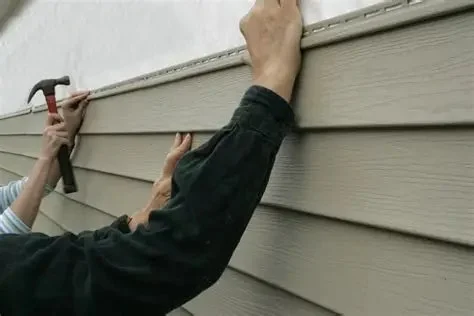
As a homeowner, maintaining the exterior of your house is essential not only for aesthetic reasons but also for the protection of your home. Your siding acts as a barrier between your home and the elements, protecting it from wind, rain, snow, and extreme temperatures. Over time, siding can wear down, crack, or become ineffective, leading to potential issues like water damage, higher energy bills, and decreased curb appeal.
Regular siding replacement helps maintain your home’s structural integrity, ensures insulation efficiency, and keeps your home looking fresh and inviting. But how do you know when it’s time to replace your siding? Let’s dive into how often you should consider replacing your siding and the signs to look out for.
LCT Construction & Services Inc.
HopedaleWorcester CountyMassachusetts
4 Evergreen Ln, Hopedale, MA 01747, USA
How Often Should You Replace Your Siding?
The frequency with which you should replace your siding depends on several factors, including the material of your siding, the climate in your area, and how well the siding has been maintained. Here are general guidelines for how often you might need to replace your siding:

Shingle Guard Roofs
GlendaleLos Angeles CountyCalifornia
1314 W Glenoaks Blvd #235, Glendale, CA 91201, USA
1. Vinyl Siding
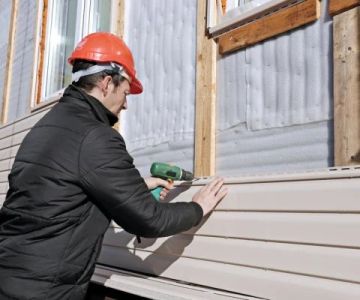
Vinyl siding is one of the most popular siding materials because it’s durable, affordable, and low-maintenance. Typically, vinyl siding can last between 20 and 40 years. However, it may need to be replaced sooner if it’s been subjected to extreme weather conditions, such as strong winds, hail, or heavy snowfall. Fading or cracking from UV exposure can also shorten its lifespan.
2. Wood Siding
Wood siding is beautiful and natural, but it requires more maintenance than other materials. Wood siding can last 20 to 40 years, depending on how well it's maintained. Regular painting and sealing can extend its life, but if the wood begins to rot or shows signs of severe wear, it may need replacing sooner.
3. Fiber Cement Siding
Fiber cement siding is known for its durability and can last up to 50 years or more with proper maintenance. This material is resistant to many of the common issues that affect other siding types, such as rot, warping, or insect infestation. However, it still requires periodic inspection and painting, as paint can fade over time.
4. Aluminum Siding
Aluminum siding can last up to 40 years, but it is susceptible to dents, scratches, and fading from exposure to the elements. If aluminum siding becomes severely damaged or shows signs of wear, it may need replacement sooner. Regular painting is also recommended to maintain its appearance and protect against corrosion.
Signs You Need to Replace Your Siding
While regular inspections and maintenance can prolong the life of your siding, there are certain signs that indicate it’s time for a replacement. Here’s how you can spot potential problems with your siding:
1. Cracks or Holes in the Siding
If you notice visible cracks or holes in your siding, it's a clear indication that the material has been compromised. Cracks can allow moisture to seep into your home, leading to water damage and mold growth. Holes, even small ones, can allow pests like insects or rodents to enter your home, causing further damage.
2. Warping or Buckling
Warping or buckling of your siding can occur when the material is exposed to excessive moisture or heat. This issue often leads to gaps that allow water to enter, which can damage your home’s structure. If the siding is warping, it’s best to replace it as soon as possible to prevent more severe damage.
3. Fading or Discoloration
Over time, exposure to the sun can cause your siding to fade or discolor. While fading doesn’t necessarily mean you need a full replacement, it’s a sign that the material’s protective layer is wearing thin. For vinyl and wood siding, fading can indicate UV damage that may lead to cracking or deterioration, suggesting that replacement may be needed soon.
4. Mold or Mildew Growth
If you notice mold or mildew growing on your siding, it could be a sign of trapped moisture within the material. Mold and mildew can cause health issues and damage the siding further if left untreated. While some mildew can be cleaned, persistent growth often signals that the siding is no longer effectively protecting your home and may need replacement.
5. Higher Energy Bills
Damaged or poorly insulated siding can allow heat to escape, leading to higher heating and cooling costs. If you’ve noticed a spike in your energy bills, it could be due to cracks, gaps, or worn-out siding that no longer provides adequate insulation.
Different Types of Siding and Their Lifespans
As mentioned, the lifespan of your siding depends largely on the material. Here’s a breakdown of the most common types of siding and how long they typically last:
- Vinyl Siding: 20-40 years
- Wood Siding: 20-40 years (with proper maintenance)
- Fiber Cement Siding: 50+ years
- Aluminum Siding: 30-40 years
Each type of siding has its pros and cons, so consider the material’s durability, maintenance requirements, and aesthetic when choosing the right siding for your home. If you’re unsure which material is best for your climate or budget, a professional contractor can help guide your decision.
Why Choose Total Roofing Hub for Siding Replacement
When it’s time to replace your siding, it’s essential to choose a trusted professional to ensure the job is done right. At Total Roofing Hub, we specialize in siding replacement for all types of homes. Our expert team will guide you through the entire process, from selecting the right material to the final installation, ensuring your home is both beautiful and well-protected.
With years of experience and a commitment to quality, Total Roofing Hub is your go-to source for siding replacement. Contact us today for a free consultation and let us help you enhance your home’s appearance and energy efficiency with the best siding solution for your needs.
 Skyline Designs Roofing5.0 (99 reviews)
 Perfect Roofing Installations4.0 (60 reviews)
 Dog Tags Construction LLC4.0 (16 reviews)
 Gutter Shutter of Central Maryland5.0 (9 reviews)
 Sam Cline Handyman Services4.0 (37 reviews)
 Paramount Builders Inc.4.0 (302 reviews)
 Should I Repair or Replace My Roof?
 Top 10 Signs Your Roof Needs Immediate Repair Before It’s Too Late
 The Pros and Cons of Vinyl Siding: Is It the Right Choice for Your Home?
 How to Choose a Reliable Roofing Contractor Near You – Expert Tips
 Top 10 Signs Your Roof Needs Immediate Repair You Shouldn’t Ignore
 How to Spot Hail Damage on Your Roof | Quick Guide for Homeowners