
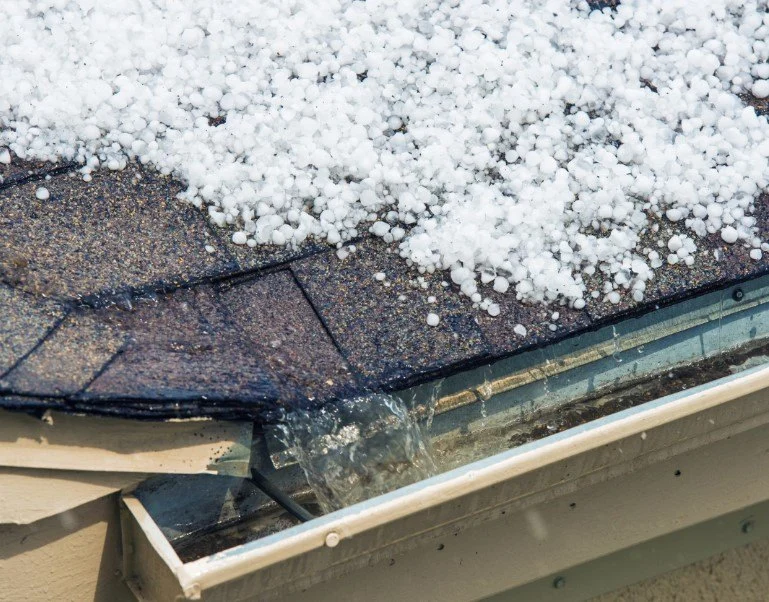
How to Protect Your Roof from Seasonal Wear
- Understanding Seasonal Roof Wear
- Spring Roof Maintenance Tips
- Summer Roof Care Strategies
- Preparing Your Roof for Fall
- Winter Roof Protection Tips
- When to Call for Professional Roofing Services
1. Understanding Seasonal Roof Wear
Throughout the year, your roof faces a variety of environmental challenges. From heavy rain to scorching heat, each season presents unique risks to your roof. Understanding how the different seasons affect your roof can help you take preventive measures to protect it from seasonal wear and damage.

1.1 Spring: The Season of Growth and Moisture
Spring brings blooming flowers but also an increase in rainfall, which can lead to water pooling on your roof. Excess moisture, especially if there are leaves and debris in the gutters, can result in leaks, mold growth, and structural damage over time.

1.2 Summer: Intense Heat and UV Damage
During summer, high temperatures and intense UV rays can cause shingles to degrade, crack, or curl. Asphalt shingles are particularly vulnerable to sun damage, which can shorten their lifespan if not properly maintained.
1.3 Fall: Falling Leaves and Wind Damage
As leaves begin to fall in autumn, they can accumulate on your roof and in your gutters. This debris can clog drainage systems, causing water to back up and leading to potential roof damage. Additionally, strong winds may loosen shingles or even cause them to blow off.
1.4 Winter: Freezing Temperatures and Ice Dams
Winter brings freezing temperatures, snow, and ice, which can be particularly harsh on your roof. Ice dams form when melting snow refreezes at the edge of your roof, trapping water that can seep into the house and cause significant damage. Heavy snow buildup can also stress the roof structure if not cleared promptly.
2. Spring Roof Maintenance Tips
Spring is the perfect time to inspect and clean your roof after the harsh winter months. Regular spring roof maintenance can help you catch early signs of wear and prevent more severe issues later on.
2.1 Clean Gutters and Downspouts
Debris accumulation in gutters during the winter months can prevent proper water flow. Clean your gutters and downspouts to ensure water can be properly directed away from your roof and foundation.
2.2 Inspect for Damaged Shingles
Look for missing or damaged shingles caused by winter storms or freezing temperatures. Early detection of issues like cracked or curling shingles allows for timely repairs before the problem worsens.
2.3 Check for Moss and Algae Growth
Moisture buildup during spring can encourage moss or algae growth on your roof. This can lead to rot or further damage over time, so make sure to clean these off and apply a preventive treatment if necessary.
3. Summer Roof Care Strategies
Summer can be harsh on your roof, especially with prolonged exposure to high temperatures and UV rays. Taking some simple precautions can prevent long-term damage.
3.1 Install Reflective Coatings
Consider installing a reflective coating on your roof to minimize UV exposure. These coatings help reflect the sun’s heat and reduce the strain on your roof, helping prevent premature aging of shingles.
3.2 Trim Overhanging Branches
During summer, trees may have thick branches that can scrape against your roof or even drop limbs. Trim any overhanging branches to reduce the risk of damage from wind or falling debris.
3.3 Check for Ventilation Issues
Proper ventilation is critical during the hot summer months. Ensure that your roof’s vents are clear and functioning, as poor ventilation can cause heat buildup in the attic, potentially damaging your roofing materials.
4. Preparing Your Roof for Fall
Before the leaves start falling, take time to prepare your roof for the autumn season. Preventative actions now can help avoid serious problems later.
4.1 Clean Gutters and Remove Debris
As fall approaches, clean out your gutters again. Removing leaves and other debris is essential for preventing clogs and ensuring that water flows freely. Clogged gutters can result in water pooling on your roof and cause leaks.
4.2 Inspect for Loose Shingles
Strong winds during fall can loosen or dislodge shingles. Conduct a thorough inspection and replace any loose shingles before the stormy season arrives.
5. Winter Roof Protection Tips
Winter weather can take a toll on your roof if you’re not prepared. Here are some tips for protecting your roof from the harsh winter conditions.
5.1 Remove Snow and Ice Regularly
Heavy snow can create stress on your roof, especially if it accumulates in large amounts. Use a roof rake to remove excess snow safely. This will reduce the risk of ice dams and prevent strain on the roof structure.
5.2 Install Ice and Water Shield
Consider installing an ice and water shield on your roof’s vulnerable areas, such as the eaves and valleys. This extra layer of protection helps prevent ice dams and leaks caused by melting snow.
5.3 Check Attic Insulation
Proper insulation in the attic helps prevent heat from escaping and causing ice dams. Ensure your attic is properly insulated to maintain consistent roof temperatures and prevent the formation of ice dams during the winter months.
6. When to Call for Professional Roofing Services
While you can handle basic roof maintenance on your own, there are times when it’s best to call in a professional. If you notice significant damage or can’t safely access your roof, it’s time to consult a roofing expert.
For expert advice, high-quality roofing services, and the best products for roof maintenance, visit Total Roofing Hub.



 Byrd's Eye Roofing, Inc4.0 (33 reviews)
 Herrera General Contractors Inc.5.0 (3 reviews)
 Malfix G. Construction5.0 (8 reviews)
 Presidential Exteriors4.0 (1309 reviews)
 Natarelli & Son Roofing and Gutters5.0 (50 reviews)
 Perfect Roofing Installations4.0 (60 reviews)
 Roof Replacement & Your Home Insurance Premiums: What You Need to Know
 How to Find Licensed and Insured Roofing Contractors in Your Area - Expert Tips
 How to Choose Roofing Materials for Long-Term Protection
 Siding Material Maintenance for Maple Wood, Cedar, and Composite
 The Complete Guide to Metal Roofing Systems for Long-lasting Protection
 What to Know About Roof Replacement for Long-Term Value