- Understanding Roofing Problems and Common Issues
- How to Spot Early Signs of Roofing Damage
- Why Regular Roof Inspections Are Essential
- Preventive Measures to Avoid Roof Damage
- Tips for Roof Repair and Maintenance
- When to Seek Professional Roofing Help
1. Understanding Roofing Problems and Common Issues
Roofing problems can occur for a variety of reasons, from aging materials to weather-related damage. Understanding these issues early on can save homeowners from costly repairs. Common roofing problems include leaks, missing shingles, sagging roofs, and clogged gutters. Identifying these issues early on ensures that your roof can be repaired before significant damage occurs, potentially saving you from expensive repairs or a full roof replacement.
2. How to Spot Early Signs of Roofing Damage
It’s essential to spot early signs of roofing damage before they escalate. Some key indicators of potential roofing issues include:
- Water Stains: Stains on ceilings or walls inside your home may indicate a leak in the roof.
- Granules in Gutters: Missing granules from asphalt shingles are a sign that the shingles are aging and need attention.
- Cracked or Curling Shingles: Shingles that are cracked, curled, or warped are a sign that they may be losing their ability to protect your roof.
- Visible Light in Attic: If you can see sunlight coming through your attic, there are likely holes or gaps in the roof that need to be repaired.
Regularly checking for these signs can help you catch problems early before they cause significant damage to your home.
3. Why Regular Roof Inspections Are Essential
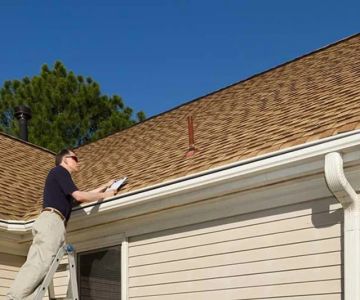
Regular roof inspections are crucial in preventing roofing problems from getting worse. A roof inspection involves checking for signs of wear and tear, such as missing or damaged shingles, leaks, and structural issues. Early inspections can help identify minor issues that may not be noticeable to the untrained eye, allowing you to make repairs before the problem becomes serious. It’s generally recommended to inspect your roof at least twice a year, particularly after storms or extreme weather events.
If you’re unsure how to perform a roof inspection, hiring a professional can provide peace of mind and ensure that all areas of the roof are thoroughly checked.
4. Preventive Measures to Avoid Roof Damage
Preventing roof damage starts with proper maintenance. By following these simple steps, you can help ensure that your roof remains in good condition:
- Clean Gutters Regularly: Clogged gutters can cause water to back up and damage the roof structure. Make sure to clean your gutters at least twice a year.
- Trim Overhanging Tree Branches: Overhanging branches can scrape the roof and damage the shingles. Trimming them back reduces the risk of damage during storms.
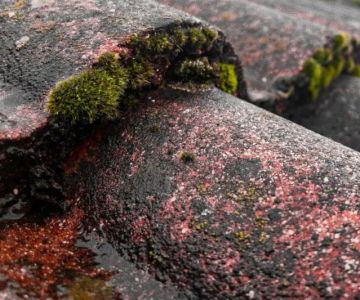
- Ensure Proper Ventilation: Proper attic ventilation helps prevent moisture buildup and ice dams in winter, which can lead to roof damage.
- Apply a Roof Sealant: A high-quality roof sealant can protect shingles from the elements and extend the lifespan of your roof.
Taking these preventive steps will not only protect your roof but also increase its longevity, saving you from major repairs down the road.
5. Tips for Roof Repair and Maintenance
If your roof is showing signs of damage, timely repairs can prevent further issues. Here are a few essential roof repair tips:
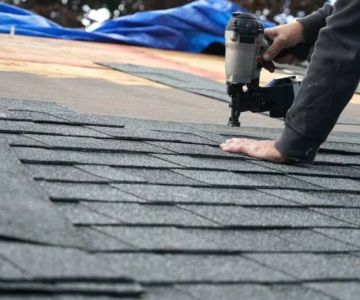
- DIY Repairs for Small Issues: If the damage is minimal, such as a few missing shingles, you may be able to perform the repair yourself using basic roofing tools and materials.
- Hire a Professional for Major Repairs: If the damage is extensive, it’s best to hire a professional roofer to assess and repair the roof to ensure the work is done correctly and safely.
- Check Flashing: Flashing around chimneys, vents, and skylights can deteriorate over time, leading to leaks. Make sure to inspect and replace damaged flashing as needed.
Keeping up with roof repairs and maintenance will protect your home from leaks, mold, and other costly damage.
6. When to Seek Professional Roofing Help
While many roofing issues can be spotted and handled by homeowners, there are situations where professional help is necessary:
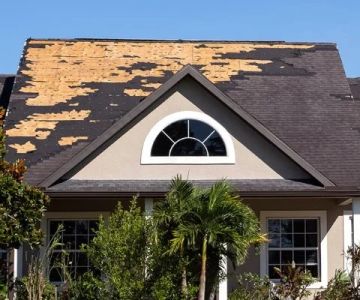
- Large-Scale Roof Damage: If your roof has extensive damage, such as multiple leaks or widespread shingle loss, it’s time to contact a roofing contractor.
- Safety Concerns: Roof repairs can be dangerous, especially for high or steep roofs. Hiring a professional ensures safety and quality work.
- Signs of Structural Issues: If you notice sagging or visible holes in the roof, it’s important to get an expert opinion before proceeding with repairs.
Professional roofers have the expertise to handle complex issues, provide accurate assessments, and ensure the longevity of your roof.
 Byrd's Eye Roofing, Inc4.0 (33 reviews)
 Herrera General Contractors Inc.5.0 (3 reviews)
 Malfix G. Construction5.0 (8 reviews)
 Presidential Exteriors4.0 (1309 reviews)
 Natarelli & Son Roofing and Gutters5.0 (50 reviews)
 Perfect Roofing Installations4.0 (60 reviews)
 Roof Replacement & Your Home Insurance Premiums: What You Need to Know
 How to Find Licensed and Insured Roofing Contractors in Your Area - Expert Tips
 How to Choose Roofing Materials for Long-Term Protection
 Siding Material Maintenance for Maple Wood, Cedar, and Composite
 The Complete Guide to Metal Roofing Systems for Long-lasting Protection
 What to Know About Roof Replacement for Long-Term Value