- roof-sagging-warning-signs - Understanding the Early Signs of a Sagging Roof
- main-causes-roof-sagging - Common Reasons Behind Roof Sagging Problems
- structural-problems-roof-sagging - How Roof Design and Structural Weakness Affect Stability
- water-damage-roof-sagging - The Connection Between Moisture and Roof Failure
- how-to-inspect-sagging-roof - Steps Homeowners Can Take Before Repairs
- roof-sagging-repair-options - Professional Solutions for Fixing a Sagging Roof
- prevent-future-roof-sagging - Maintenance Strategies to Protect Your Home
- roof-expert-advice - Choosing Reliable Roofing Support and Services
Understanding the Early Signs of a Sagging Roof
A roof is one of the most important protective systems of any home. It shields families from rain, wind, snow, extreme temperatures, and other outdoor elements. However, many homeowners overlook roof problems until visible damage appears. One of the most serious warning signs is roof sagging, a condition that may indicate structural weakness beneath the surface.
Understanding what causes roof sagging and how to fix it can help homeowners protect their property, avoid expensive repairs, and maintain long-term home value. A roof that begins to dip, curve, or sink is not simply a cosmetic issue. It often points to problems involving the framing system, moisture damage, excessive weight, or poor construction.
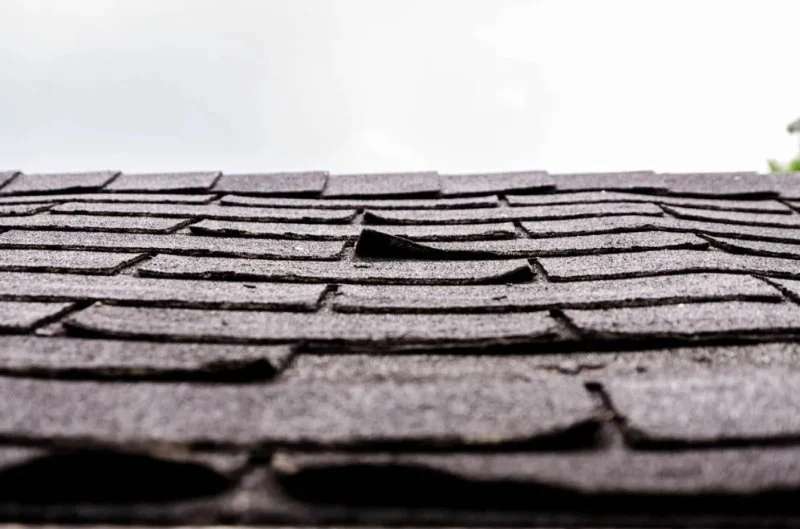
Many homeowners first notice roof sagging when they see an uneven roofline from outside or a slight curve in the ceiling inside their home. In some cases, the problem develops slowly over years, making it easy to ignore. A small dip today can become a major structural concern later if the underlying cause is not addressed.
1. Visible Changes That Indicate Roof Sagging
Several signs can help homeowners identify a possible sagging roof before the damage becomes severe. Common indicators include:
- An uneven or wavy roofline visible from the street
- Ceilings that appear bowed or cracked
- Doors and windows becoming difficult to open
- Gaps between walls and ceiling areas
- Roof leaks appearing in unusual locations
- Drooping areas in the attic structure
A homeowner in Florida, for example, may notice a small depression along the roof ridge after several hurricane seasons. While the exterior shingles may still appear intact, repeated storms and moisture exposure could have weakened the supporting structure underneath. Addressing the issue early often prevents more extensive repairs.

Fix-It Fox Home Improvements & Landscaping, LLC
LiverpoolOnondaga CountyNew York
4069 Elmcrest Rd, Liverpool, NY 13090, USA
Common Reasons Behind Roof Sagging Problems
The question of what causes roof sagging does not have a single answer. Roof systems are complex structures made of multiple components, including rafters, trusses, decking, insulation, shingles, and support walls. When one part fails or becomes overloaded, the entire roof system may begin to lose its original shape.
1. Aging Roof Materials and Structural Wear
Over time, roofing materials naturally experience wear. Wood components can weaken due to age, temperature changes, and repeated exposure to moisture. Older homes built decades ago may have roofing systems that were not designed to handle modern materials or heavier loads.
For example, replacing lightweight roofing materials with heavier options such as certain types of tile without reinforcing the structure can place additional pressure on roof supports. This added weight may slowly cause the roof to bend or sag.
2. Excessive Weight on the Roof
Roofs are engineered to support specific weight limits. Problems occur when additional weight exceeds what the structure can safely handle.
Common sources of excessive roof weight include:
- Heavy snow accumulation
- Multiple layers of old shingles
- Large amounts of standing water
- Heavy roofing materials installed incorrectly
- Equipment placed on the roof without proper support
In northern states, snow accumulation is one of the most common contributors to roof stress. A roof designed for normal snowfall may struggle during unusually severe winters. Regular inspections after extreme weather events can help identify developing problems.
3. Poor Original Construction
Sometimes roof sagging begins because of mistakes made during initial construction. Incorrectly sized beams, improperly installed trusses, or insufficient support points can create long-term weaknesses.
A roof may appear normal when a home is first completed, but years of pressure can reveal hidden construction problems. This is why professional evaluations are important when purchasing older homes.
How Roof Design and Structural Weakness Affect Stability
The structure beneath roofing materials plays a major role in preventing sagging. The visible shingles or metal panels are only the outer layer. The real strength comes from the framework underneath.
1. Damaged Rafters and Roof Trusses
Rafters and trusses carry the weight of the roof and transfer pressure down to the walls of the house. When these components crack, rot, or shift, the roof may lose support.
A damaged truss does not always create immediate failure. Instead, homeowners may notice gradual changes such as small ceiling cracks or slight roof dips. Over time, these minor signs can become more noticeable.
2. Improper Roof Support Distribution
A properly designed roof spreads weight evenly throughout the structure. When support is uneven, certain areas experience greater stress than others.
This can happen when:
- Interior walls are removed during remodeling
- Support beams are modified incorrectly
- Attic structures are altered without engineering approval
Home renovations can unintentionally affect roof stability. Before making major changes to walls or attic spaces, homeowners should consider how those modifications impact the roofing system.
The Connection Between Moisture and Roof Failure
Water damage is one of the most common causes of roof sagging. Even a small leak can create serious structural problems when moisture reaches wooden components.
1. How Leaks Weaken Roof Structures
When water enters the roof system, it can cause wood to absorb moisture. Over time, wet wood becomes softer and weaker. Rot may develop, reducing the ability of beams and supports to carry weight.
Many homeowners assume a small ceiling stain is only a minor repair issue. However, that stain may represent months or years of hidden moisture damage above the ceiling.
2. Poor Drainage and Standing Water
A roof should quickly move rainwater away from the home. When gutters become clogged or drainage systems fail, water may collect on the roof surface.
Standing water creates two problems:
- It adds significant weight to the roof
- It increases the chance of leaks and material deterioration
Regular gutter cleaning and drainage inspections are simple steps that can reduce the risk of roof sagging caused by moisture.
Steps Homeowners Can Take Before Repairs
If you suspect your roof is sagging, careful inspection is the first step. However, homeowners should avoid climbing onto damaged roofs because unstable structures can create safety risks.
1. Inspect the Exterior From a Safe Distance
Walk around your property and look for changes in the roofline. Pay attention to:
- Low spots between roof sections
- Uneven ridges
- Areas where shingles appear distorted
- Visible dips after rainfall
2. Check the Attic Space
The attic often reveals problems before they become obvious from outside. Look for:
- Cracked wooden supports
- Signs of water stains
- Mold growth
- Compressed insulation
- Light entering through unexpected openings
3. Document Changes Over Time
Taking photographs every few months can help homeowners track roof changes. A sagging area that grows gradually may indicate a worsening structural issue.
Professional Solutions for Fixing a Sagging Roof
The correct repair method depends on the cause and severity of the problem. Fixing roof sagging is not always about replacing shingles. The underlying structure must be repaired first.
1. Reinforcing Roof Supports
If rafters or trusses are weakened but repairable, professionals may reinforce them with additional structural supports. This can restore strength without replacing the entire roof.
2. Replacing Damaged Structural Components
Severely damaged wood members may need replacement. This process requires careful planning because removing structural components without proper support can create additional risks.
3. Roof Replacement When Necessary
In some cases, extensive damage means a complete roof replacement is the most practical solution. A new roofing system can provide improved safety, energy efficiency, and long-term protection.
Homeowners looking for roofing guidance, inspection support, and repair recommendations can explore resources from Total Roofing Hub to better understand available solutions and maintenance options.
Maintenance Strategies to Protect Your Home
Preventive maintenance is one of the most effective ways to avoid roof sagging. A roof that receives regular attention is less likely to develop hidden structural problems.
1. Schedule Regular Roof Inspections
Professional inspections can identify small issues before they become major repairs. Experts can evaluate flashing, drainage systems, shingles, and structural conditions.
2. Maintain Gutters and Drainage Systems
Clean gutters help prevent water buildup. Keeping drainage pathways clear protects both roofing materials and the home's foundation.
3. Address Small Repairs Quickly
A missing shingle or small leak may seem insignificant, but delaying repairs allows moisture to spread. Quick action can protect the entire roof structure.
Choosing Reliable Roofing Support and Services
Roof sagging is a serious issue that requires careful evaluation. Choosing experienced roofing professionals ensures repairs are based on the actual cause rather than temporary fixes.
A trustworthy roofing approach focuses on understanding the complete system, from exterior materials to internal supports. Homeowners should look for professionals who explain repair options clearly and provide solutions designed for long-term protection.
Whether a home has an aging roof, storm damage, or early signs of structural stress, understanding what causes roof sagging and how to fix it allows homeowners to make smarter decisions. Regular inspections, preventive maintenance, and timely repairs can extend roof life while protecting one of the biggest investments most people will ever make.
 DePalma Roofing5.0 (84 reviews)
 Pak Construction5.0 (3 reviews)
 Max Restoration4.0 (18 reviews)
 Hendrix Exteriors4.0 (16 reviews)
 Alpine Roofing5.0 (10 reviews)
 House R Us5.0 (24 reviews)
 Siding vs Stucco: Which Is Better for Your Home? Expert Comparison for U.S. Homeowners
 How to Choose a Reliable Roofing Contractor Near You: A Comprehensive Guide
 How to Budget for a Roof Replacement Project
 How to Match Roof Shingles with Your Siding Color: Tips for a Cohesive Home Look
 Siding Cleaning Tools: Power Washers, Soft Wash & Safe Techniques
 What Government Rebates Exist for Roofing & Siding Upgrades