
What’s the Best Time of Year to Replace Your Roof?
- Factors to Consider When Replacing Your Roof
- Advantages of Replacing Your Roof in Spring and Fall
- Winter Roof Replacement Considerations
- Summer Roof Replacement Considerations
- How Weather Affects Roof Replacement Timing
- Real-Life Case Studies
1. Factors to Consider When Replacing Your Roof
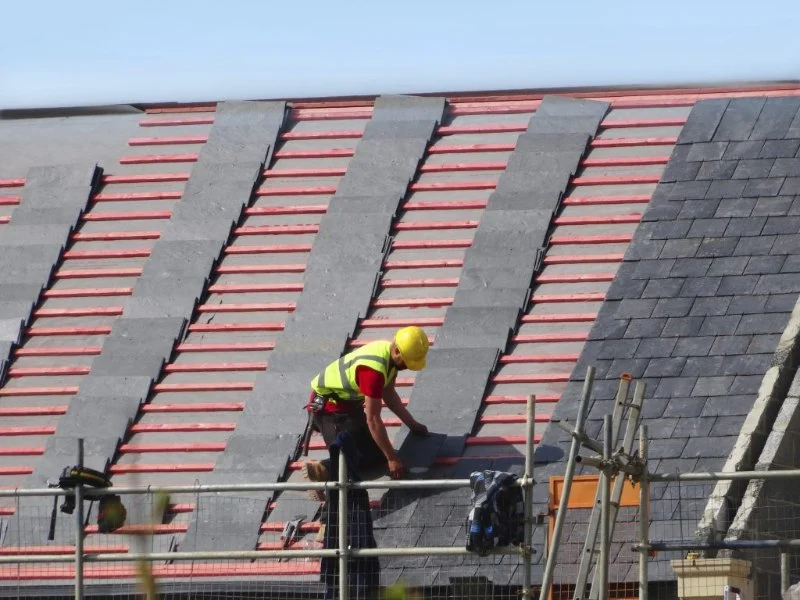
Replacing a roof is a significant investment, and the timing of the replacement can affect the cost, quality of work, and overall experience. Factors to consider when deciding the best time to replace your roof include weather conditions, roofing material availability, contractor availability, and your home’s specific needs. Understanding these factors can help you choose the optimal season for a smooth and efficient roof replacement process.
Roofing contractors typically experience peak seasons during favorable weather months, which may affect their schedules and pricing. Additionally, the time of year influences material costs, which can vary based on demand and availability. Knowing these details will ensure you make an informed decision and avoid unnecessary stress during the replacement process.

2. Advantages of Replacing Your Roof in Spring and Fall
Spring and fall are considered the best times of year to replace your roof for several reasons:
- Moderate Weather: During spring and fall, the weather is generally mild, providing ideal working conditions for roofing contractors. Temperatures are not too hot or cold, which ensures that roofing materials, such as shingles, can be installed properly without the risk of warping or cracking due to extreme temperatures.
- Availability of Contractors: Since many homeowners prefer to replace their roofs in the warmer months, roofing contractors are more readily available during spring and fall. This allows you to schedule your roof replacement more easily and avoid delays.
- Better Material Performance: Roof materials, such as asphalt shingles, perform better when installed in moderate weather. The adhesives used in shingles are most effective when the temperature is neither too high nor too low, which helps ensure long-lasting results.
Replacing your roof in these seasons also reduces the likelihood of unexpected weather disruptions, such as heavy rains or extreme cold, that can delay work or cause complications.
Costa Construction Company LLC
TorringtonNorthwest Hills Planning RegionConnecticut
15 Hardy St, Torrington, CT 06790, USA
3. Winter Roof Replacement Considerations
While spring and fall are ideal for roof replacements, winter can be a challenging season for roofing projects. However, it is still possible to replace a roof during the winter with the right preparation. Here are some important considerations:
- Cold Weather Effects: Cold temperatures can affect the flexibility of roofing materials and the effectiveness of adhesives. Shingles may become brittle and break during installation, and adhesives may not bond properly, leading to potential issues later.
- Availability of Contractors: Roofing companies may offer discounts or have more availability during the winter months due to lower demand. This can be a financial advantage, but you must weigh the risks of working in colder conditions.
- Weather Delays: Winter storms and snow can delay the progress of your roof replacement. If your home is located in a region that experiences heavy snow, freezing temperatures, or rain, winter roofing projects may take longer to complete.
If you choose to replace your roof during the winter, be sure to hire a contractor experienced in winter roofing and confirm that the materials they use can withstand the cold temperatures.
4. Summer Roof Replacement Considerations
Summer is another popular season for roof replacement, but it comes with its own set of challenges and benefits:
- Heat Exposure: While the hot summer months offer longer daylight hours for roofing work, extreme heat can be tough on both the roofing crew and materials. Prolonged exposure to high temperatures can lead to heat exhaustion for workers and cause shingles to become too soft, making them difficult to handle or apply correctly.
- Higher Costs: Roofing contractors are often busiest during the summer, which can result in higher labor costs and longer wait times. Additionally, the demand for roofing materials is higher, which can cause prices to increase.
- Quick Completion: The extended daylight hours during summer allow contractors to work longer hours, potentially speeding up the project’s completion compared to other seasons.
While summer can be an ideal time for roof replacement due to the availability of materials and longer workdays, the heat and potential higher costs should be carefully considered when making your decision.
5. How Weather Affects Roof Replacement Timing
The weather plays a significant role in determining the best time of year to replace your roof. Extreme weather conditions, such as heavy rain, snow, or intense heat, can delay the project, cause material issues, or make working conditions unsafe for contractors. Understanding the climate in your area can help you plan your roof replacement accordingly.
For instance, regions prone to hurricanes may require roof replacements before the start of the storm season, while areas with cold winters may have a shorter window for optimal installation conditions. A local roofing contractor can provide guidance on the best times for roof replacement based on your specific location and weather patterns.
6. Real-Life Case Studies
One homeowner in Florida, who had experienced roof damage after a hurricane, decided to replace their roof during the fall. The weather was mild, and they avoided the summer heat, which made the process more comfortable and efficient. The contractor completed the roof replacement ahead of schedule, and the homeowner benefited from a reliable roof just before the start of the rainy season.
In contrast, a homeowner in Minnesota faced significant delays when attempting to replace their roof in the winter. Due to freezing temperatures and snowstorms, the project took much longer than expected, and the quality of the work was compromised because the roofing materials were too cold to bond properly. This highlights the importance of understanding the challenges of roofing during winter in colder climates.
If you’re looking for expert roofing products or services to help with your roof replacement, visit Total Roofing Hub for the best recommendations tailored to your needs.
 Skyline Designs Roofing5.0 (99 reviews)
 Perfect Roofing Installations4.0 (60 reviews)
 Dog Tags Construction LLC4.0 (16 reviews)
 Gutter Shutter of Central Maryland5.0 (9 reviews)
 Sam Cline Handyman Services4.0 (37 reviews)
 Paramount Builders Inc.4.0 (302 reviews)
 Should I Repair or Replace My Roof?
 Top 10 Signs Your Roof Needs Immediate Repair Before It’s Too Late
 The Pros and Cons of Vinyl Siding: Is It the Right Choice for Your Home?
 How to Choose a Reliable Roofing Contractor Near You – Expert Tips
 Top 10 Signs Your Roof Needs Immediate Repair You Shouldn’t Ignore
 How to Spot Hail Damage on Your Roof | Quick Guide for Homeowners