
- 1 - Why Hail Damage on Roofs Matters More Than You Think
- 2 - Common Signs of Hail Damage Every Homeowner Should Know
- 3 - Real-Life Case Study: Hidden Damage After a Storm
- 4 - Step-by-Step Tips for Inspecting Your Roof
- 5 - When to Call Roofing Experts
- 6 - Explore Resources at Total Roofing Hub
1 - Why Hail Damage on Roofs Matters More Than You Think
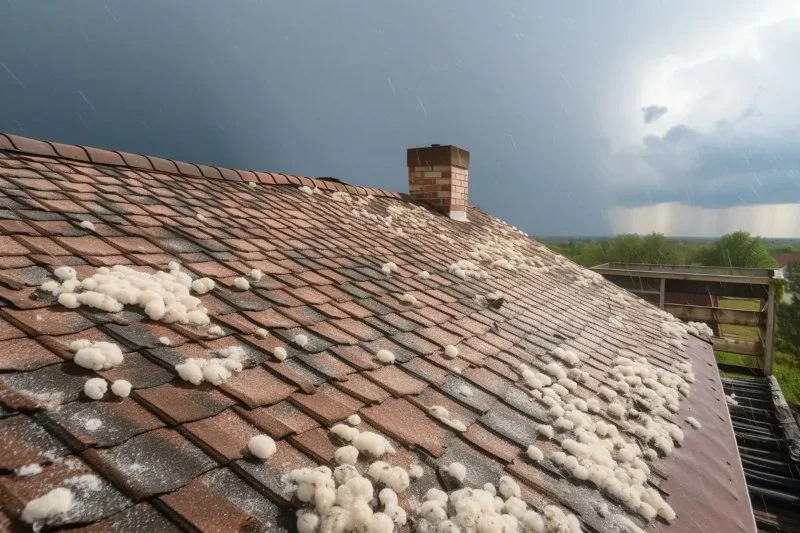
Understanding how to spot hail damage on your roof is crucial because damage isn’t always obvious right after a storm. Even small dents in shingles can reduce your roof’s lifespan and lead to leaks. In states like Texas and Colorado, where hailstorms are common, insurance companies pay billions annually for roof claims. For homeowners, knowing what to look for can mean the difference between a minor repair today and costly water damage later.

Lighthouse Painting Contractors Inc.
Los AngelesLos Angeles CountyCalifornia
15235 Brand Blvd a108, Mission Hills, CA 91345, USA
2 - Common Signs of Hail Damage Every Homeowner Should Know
The first signs of hail damage usually appear on shingles. Look for bruised or soft spots that feel different from the surrounding area. Granule loss, where tiny pieces of asphalt collect in gutters, is another major red flag. Metal flashing and gutters may show visible dents. Even skylights and vents can crack or chip. If you notice neighbors scheduling roof repairs after a storm, it may be a signal to check yours as well—hail rarely affects just one property on a block.

3 - Real-Life Case Study: Hidden Damage After a Storm
One homeowner in Oklahoma assumed their roof had survived a hailstorm because there were no leaks. Months later, after noticing discolored spots on the ceiling, they discovered that hail had compromised several shingles. The water seepage caused mold in the attic, leading to a repair bill much higher than if the roof had been checked right away. This example illustrates how easily hail damage can be overlooked—and why timely inspections are critical.
4 - Step-by-Step Tips for Inspecting Your Roof
Start by checking your yard for fallen shingles, dented gutters, or damaged outdoor furniture—these can indicate roof damage above. With binoculars, scan your roof from the ground for irregular dark spots or missing granules. If it’s safe to climb up, feel for soft patches on shingles, similar to a bruised apple. Remember to take photos as documentation for insurance claims. For homeowners unsure about climbing, a drone or professional inspection is a safer option.
5 - When to Call Roofing Experts
While minor cosmetic issues might not demand immediate attention, structural damage should never be ignored. Professional roofers have the tools and training to assess hidden issues like underlayment tears or subtle cracks. In fact, many roofing companies offer free inspections after major storms. Scheduling one quickly can help ensure your insurance claim is processed without delays. If you wait too long, insurers may argue that damage came from neglect rather than the storm.
6 - Explore Resources at Total Roofing Hub
For homeowners who want trusted advice, Total Roofing Hub provides tools, guides, and product recommendations to help you protect your home. From understanding insurance processes to choosing durable roofing materials, the platform ensures you make confident decisions. Whether you’re seeking emergency repair options or long-term upgrades, having a reliable resource gives peace of mind after storm damage.

 Skyline Designs Roofing5.0 (99 reviews)
 Perfect Roofing Installations4.0 (60 reviews)
 Dog Tags Construction LLC4.0 (16 reviews)
 Gutter Shutter of Central Maryland5.0 (9 reviews)
 Sam Cline Handyman Services4.0 (37 reviews)
 Paramount Builders Inc.4.0 (302 reviews)
 Should I Repair or Replace My Roof?
 Top 10 Signs Your Roof Needs Immediate Repair Before It’s Too Late
 The Pros and Cons of Vinyl Siding: Is It the Right Choice for Your Home?
 How to Choose a Reliable Roofing Contractor Near You – Expert Tips
 Top 10 Signs Your Roof Needs Immediate Repair You Shouldn’t Ignore
 How to Spot Hail Damage on Your Roof | Quick Guide for Homeowners