
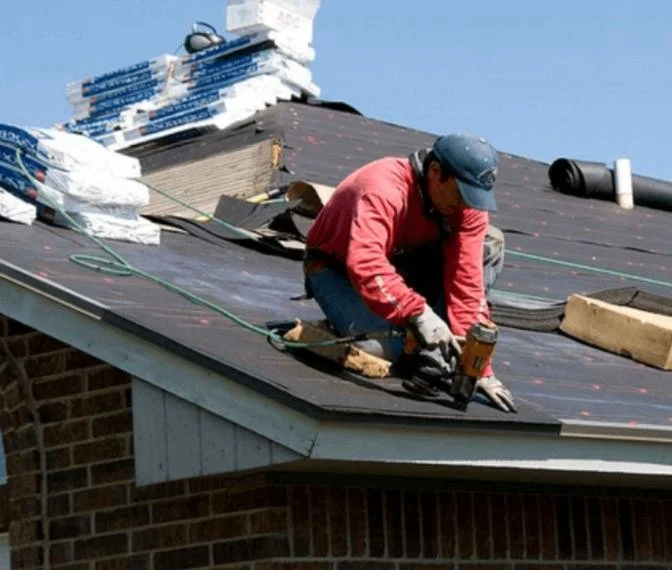
Should I Repair or Replace My Roof?
- 1- Understanding the Importance of Your Roof
- 2- Key Factors to Consider When Deciding to Repair or Replace
- 3- How to Identify When Your Roof Needs Repair
- 4- Signs That You Should Replace Your Roof
- 5- Cost Considerations: Repair vs. Replace
- 6- The Benefits of Professional Roof Inspections
- 7- What to Expect During a Roof Replacement or Repair
1- Understanding the Importance of Your Roof
Your roof is one of the most important structural components of your home. It protects your property from weather elements, helps maintain energy efficiency, and keeps your living space safe and comfortable. However, like all parts of your home, roofs don’t last forever. Regular maintenance and timely repairs are essential for extending the lifespan of your roof. But when do you need to repair, and when is it better to replace your roof entirely? Let’s explore this decision in more detail.

Fast Eddie's Home Services Llc
WoodstockCherokee CountyGeorgia
12195 GA-92 Suite 114-122, Woodstock, GA 30188, USA
2- Key Factors to Consider When Deciding to Repair or Replace
Several factors play into whether you should repair or replace your roof, including:
- Age of the Roof: Older roofs with extensive damage may be better off being replaced rather than repaired.
- Extent of Damage: Minor issues may only require repairs, while widespread damage could necessitate a full replacement.
- Budget: While repairs are often cheaper, replacements may save you money in the long run due to fewer maintenance costs.
- Energy Efficiency: If your roof’s insulation is poor or leaking, a replacement may help improve your home’s energy efficiency.
3- How to Identify When Your Roof Needs Repair
Here are some common signs that indicate your roof needs repair:
- Leaking: Water stains on ceilings or walls could mean your roof has a leak that needs fixing.
- Missing Shingles: If shingles are missing or damaged, your roof may not be properly protected from the elements.
- Cracked or Curling Shingles: These signs suggest that the shingles are worn and no longer providing adequate protection.
- Granules in the Gutter: Excessive granules from your shingles in the gutters is a sign that your shingles are deteriorating.
4- Signs That You Should Replace Your Roof
In some cases, repairs might not be enough, and replacing the roof could be the better option. Here are signs that it’s time to replace your roof:
- Roof Age: If your roof is 20 years or older, it may be reaching the end of its lifespan and could need replacing.
- Widespread Damage: Extensive damage or multiple leaks in different areas of the roof might indicate that repairs are no longer effective.
- Shingle Damage: If more than 30% of your shingles are damaged or missing, a replacement may be more cost-effective than repairing them.
- Visible Light Through the Roof: If you notice light coming through your attic or ceilings, it’s a clear sign your roof needs urgent replacement.
5- Cost Considerations: Repair vs. Replace
When deciding whether to repair or replace your roof, cost is often a deciding factor. Generally, roof repairs are less expensive than replacements. However, if your roof is nearing the end of its life or experiencing significant damage, it may make more financial sense to replace the roof. Replacing your roof may offer long-term savings by reducing maintenance and energy costs. Additionally, a new roof can increase the value of your home.
6- The Benefits of Professional Roof Inspections
A professional roof inspection can help you determine the severity of the damage and whether repairs or a replacement are necessary. Roof inspectors are trained to identify hidden problems, such as water damage or structural issues, that may not be visible to the untrained eye. A thorough inspection ensures that you make the right decision for your home’s roof and budget.
7- What to Expect During a Roof Replacement or Repair
Whether you're opting for a repair or a complete replacement, understanding the process will help you prepare for the project. Here’s what to expect:
- Initial Inspection: A professional roofer will inspect your roof to assess the damage and determine the scope of the project.
- Removing Old Materials: For a replacement, the old roofing materials will be stripped away before the new ones are installed.
- Installation: The new roofing materials will be installed, ensuring everything is properly sealed to prevent leaks.
- Cleanup: After the job is done, the contractor will clean up the area, removing debris and ensuring your property is left in good condition.
By understanding the process, you can ensure a smooth and successful roof repair or replacement experience.
If you’re unsure whether to repair or replace your roof, it's best to consult with a professional. Visit Total Roofing Hub for expert advice and the best roofing products for your home.
 Skyline Designs Roofing5.0 (99 reviews)
 Perfect Roofing Installations4.0 (60 reviews)
 Dog Tags Construction LLC4.0 (16 reviews)
 Gutter Shutter of Central Maryland5.0 (9 reviews)
 Sam Cline Handyman Services4.0 (37 reviews)
 Paramount Builders Inc.4.0 (302 reviews)
 Should I Repair or Replace My Roof?
 Top 10 Signs Your Roof Needs Immediate Repair Before It’s Too Late
 The Pros and Cons of Vinyl Siding: Is It the Right Choice for Your Home?
 How to Choose a Reliable Roofing Contractor Near You – Expert Tips
 Top 10 Signs Your Roof Needs Immediate Repair You Shouldn’t Ignore
 How to Spot Hail Damage on Your Roof | Quick Guide for Homeowners