
- 1. Understanding Asphalt Shingle Roofs
- 2. The Average Lifespan of Asphalt Shingles
- 3. Factors That Affect the Lifespan of Asphalt Shingles
- 4. Maintenance Tips to Extend Your Roof's Lifespan
- 5. When to Replace Your Asphalt Shingle Roof
1. Understanding Asphalt Shingle Roofs
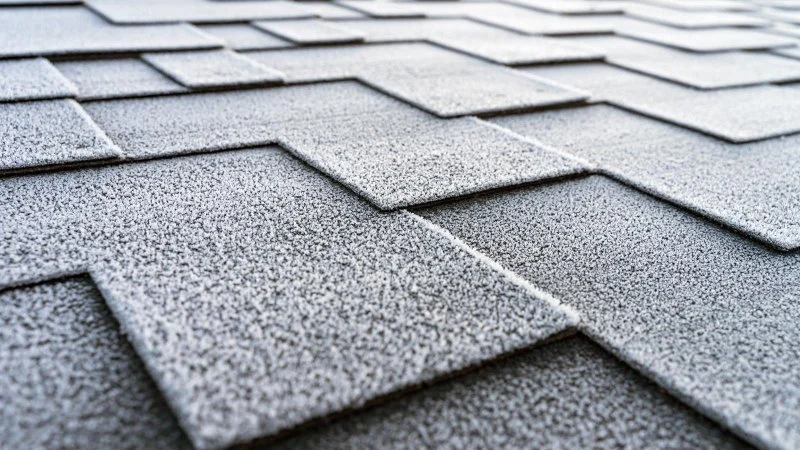
Asphalt shingle roofs are one of the most popular roofing options in the United States, largely due to their affordability, ease of installation, and relatively low maintenance needs. These roofs are made from a fiberglass or organic base, covered with asphalt and granules that protect the shingles from UV rays, weather, and other environmental factors. However, as with any roofing material, it’s essential to understand how long they can last and what factors can influence their durability. In this article, we’ll explore the average lifespan of asphalt shingle roofs, the elements that can affect their longevity, and how to maintain them to ensure they last as long as possible.
Eagles Roofing Construction LLC
South PortlandCumberland CountyMaine
819 Broadway, South Portland, ME 04106, USA
2. The Average Lifespan of Asphalt Shingles
On average, asphalt shingle roofs last between 15 and 30 years, depending on several factors such as the quality of the shingles, the climate in which you live, and how well the roof is maintained. There are two main types of asphalt shingles: three-tab shingles and architectural shingles, with the latter generally having a longer lifespan due to their thicker and more durable construction.
Three-tab shingles typically last about 15 to 20 years, while architectural shingles can last anywhere from 25 to 30 years or more, provided they are installed and maintained properly. Higher-quality asphalt shingles often come with longer warranties, which can give homeowners peace of mind when it comes to their roof's longevity.

3. Factors That Affect the Lifespan of Asphalt Shingles
Several factors can influence how long your asphalt shingle roof will last:
- Climate: Extreme weather conditions such as heavy rain, snow, high winds, and intense sun exposure can all accelerate the aging process of your shingles. For instance, roofs in areas with hot and sunny climates may experience faster wear and tear compared to those in milder regions.
- Roof Slope: The slope of your roof can also impact its lifespan. Steeper roofs allow water to drain more efficiently, preventing water from pooling and causing damage. Roofs with low slopes may experience more water buildup, which can lead to premature shingle degradation.
- Installation Quality: Proper installation is crucial to the longevity of any roof. Shingles that are installed incorrectly may not align properly or may be vulnerable to wind damage. Hiring a professional roofing contractor ensures that your shingles are placed correctly, maximizing their lifespan.
- Ventilation: A well-ventilated attic helps maintain proper airflow, reducing heat and moisture buildup that can cause shingles to deteriorate prematurely. Poor attic ventilation can shorten the life of your shingles.
- Maintenance: Regular roof inspections and maintenance can identify minor issues before they develop into significant problems, extending the life of your asphalt shingle roof.
4. Maintenance Tips to Extend Your Roof's Lifespan
To ensure your asphalt shingle roof lasts as long as possible, proper maintenance is essential. Here are some key maintenance tips:
- Regular Inspections: Have your roof inspected at least once a year and after major storms. Look for signs of wear, such as curling, cracked, or missing shingles, as well as signs of water damage.
- Clean Gutters: Clogged gutters can cause water to back up onto the roof, leading to leaks and premature aging of the shingles. Clean your gutters regularly to keep them free from debris.
- Trim Overhanging Trees: Limbs from overhanging trees can scrape the shingles or drop debris that can cause damage. Trim any branches that are too close to the roof.
- Fix Leaks Promptly: If you notice any leaks or water stains in your home, address them immediately to prevent further damage to the roof and the underlying structure.
5. When to Replace Your Asphalt Shingle Roof
Eventually, all roofs reach the point where they can no longer be repaired effectively, and it’s time to replace them. Here are some signs that it may be time to replace your asphalt shingle roof:
- Age: If your roof is nearing the end of its expected lifespan (15-30 years), it may be time to start thinking about a replacement.
- Extensive Damage: If there are multiple missing or damaged shingles, or if your roof has a significant number of leaks, it may be more cost-effective to replace the entire roof rather than attempt repairs.
- Granule Loss: Asphalt shingles are coated with granules that protect them from UV rays. If you notice that your shingles have lost a lot of granules, leaving bald spots, it’s a sign that your roof may need to be replaced soon.
- Visible Sagging: If your roof is sagging or there are noticeable dips, it may indicate structural issues that require a full replacement.
If you’re unsure whether your roof needs replacement or if it's time for a simple repair, consult a professional roofing contractor. They can assess the condition of your roof and provide recommendations based on your specific situation. For trusted roofing services and advice, visit Total Roofing Hub.
 Skyline Designs Roofing5.0 (99 reviews)
 Perfect Roofing Installations4.0 (60 reviews)
 Dog Tags Construction LLC4.0 (16 reviews)
 Gutter Shutter of Central Maryland5.0 (9 reviews)
 Sam Cline Handyman Services4.0 (37 reviews)
 Paramount Builders Inc.4.0 (302 reviews)
 Should I Repair or Replace My Roof?
 Top 10 Signs Your Roof Needs Immediate Repair Before It’s Too Late
 The Pros and Cons of Vinyl Siding: Is It the Right Choice for Your Home?
 How to Choose a Reliable Roofing Contractor Near You – Expert Tips
 Top 10 Signs Your Roof Needs Immediate Repair You Shouldn’t Ignore
 How to Spot Hail Damage on Your Roof | Quick Guide for Homeowners