
Roof and Siding Mockups: Approve the Look Before Full Install
Table of contents
Quick answer
Ask the contractor for a representative roof or siding mockup before full installation when colour, profile, joints, trim, or transitions are important. View it from the street, yard, and close range in sun and shade. Confirm exact products and accessories, photograph the approved result, and sign a written selection record. A visual mockup confirms appearance and coordination—not hidden flashing, fastening, code, or structural performance.
Red Turtle Roofing of Pasadena
PasadenaLos Angeles CountyCalifornia
35 N Lake Ave 7th floor suite 22, Pasadena, CA 91101, USA
Define what the mockup must show
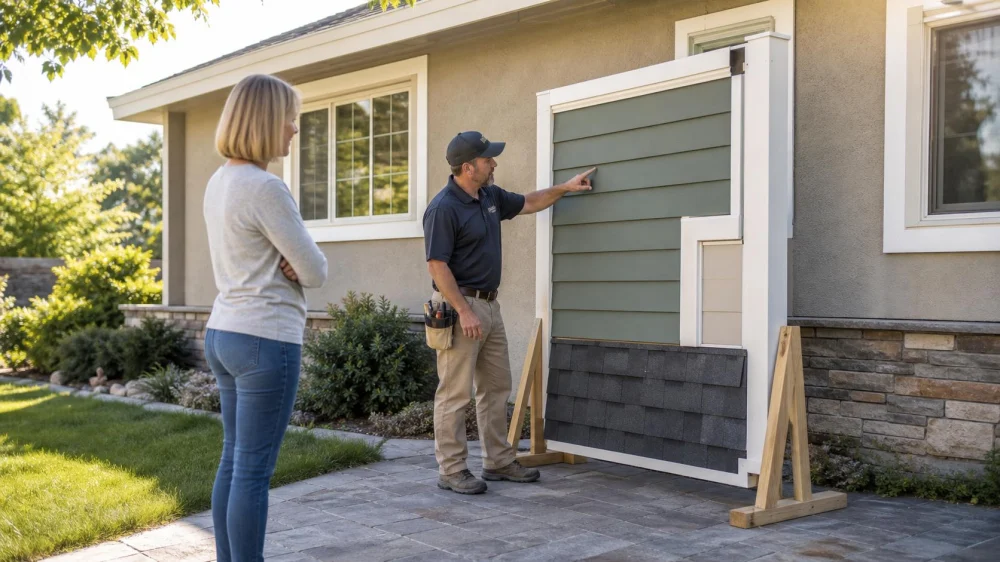
A loose sample answers colour and texture questions. A mockup shows how multiple pieces come together. Put the mockup requirement in the contract or pre-construction plan, including who pays for it, where it goes, when it is reviewed, and what happens after approval.
- Exact shingle, panel, lap, shake, or board profile.
- Colour variation across more than one piece or bundle.
- Exposure, reveal, seam rhythm, and orientation.
- Corner, window, door, soffit, fascia, flashing, and trim colours.
- Caulk, fastener, vent, and accessory appearance.
- Transition to masonry, existing cladding, roof, or foundation.
Do not assume a rendering or website image replaces a physical example. Screens, cameras, weather, scale, and batch variation can change perception.

West Roofing And Home Repairs Llc
462 Villa Dr SW, Lilburn, GA 30047, USA
Choose a representative location
The contractor should select a safe, accessible mockup method that does not compromise the finished building. It may be a freestanding panel, a temporary sample board, or an agreed small permanent area that can be corrected without unnecessary damage.
Choose conditions that represent the main house: similar light, surrounding colour, substrate, viewing distance, and nearby trim. A sample hidden behind a garage may not reveal how the street-facing elevation will look.
Homeowners should remain on the ground. Roof-level mockups and installation details must be built, documented, and inspected by qualified professionals.
Review it in real viewing conditions
Look from several distances. From the normal street or driveway viewpoint, check overall colour and pattern. From the yard, check scale and relationship to windows, brick, stone, gutters, and landscaping. Up close, examine texture, seams, trim widths, and accessory colour.
- View in direct sun and open shade.
- Return in morning and afternoon if the main elevations face different directions.
- Compare dry conditions with a damp sample when the manufacturer allows it.
- Stand at the typical approach, not only beside the sample.
- Photograph context and close details using consistent lighting.
Do not judge a small piece pressed against the wall as if it shows full-scale pattern. Ask whether colour blending requires material from several bundles or cartons.
Check transitions and accessories
Many exterior disappointments come from accessories rather than the main field colour. The mockup should show how the selected system handles edges and interruptions.
- Inside and outside corners.
- Window and door trim depth.
- Light, outlet, faucet, vent, and meter mounting blocks.
- Roof-to-wall, wall-to-masonry, and siding-to-soffit transitions.
- Gutter, downspout, flashing, and fascia colour coordination.
- Visible sealant and fastener treatment allowed by the manufacturer.
Ask the contractor to identify which mockup details are aesthetic and which are governed by manufacturer instructions, design documents, code, or site conditions.
Approve with a written record
Approval should identify the exact product and the exact visual decisions, not simply say “looks good.” Include manufacturer, line, profile, colour, finish, accessory colours, exposure or pattern where applicable, mockup photos, location, date, and authorized approvers.
Mark unresolved items and do not approve them by silence. If the mockup causes a selection change, update the contract, price, schedule, order, drawings, and warranty information before full installation. The Federal Trade Commission recommends written home-improvement agreements that capture promises about scope and labour and material costs.
Keep a physical sample or labelled offcut when practical and permitted. Store it with the final project file for later repair matching.
Know what a mockup cannot prove
A mockup may help establish an appearance standard, but it cannot demonstrate the whole assembly's water management, wind resistance, ventilation, structural adequacy, thermal performance, or long-term weathering. It also may not show every batch variation or site condition.
Technical compliance still depends on approved plans, manufacturer instructions, qualified installation, permits, inspections, and contract requirements. Do not approve hidden details based only on an exterior photograph.
Mockup checklist
- Define purpose, cost, location, timing, and acceptance method.
- Use exact field products, trim, accessories, and colours.
- Show representative seams, exposure, corners, and transitions.
- View from street, yard, and close range.
- Compare sun, shade, and different times of day.
- Photograph the whole mockup and key details.
- Resolve changes before ordering or full installation.
- Sign a specific approval and retain a sample when practical.
Limitations
Mockup availability, cost, scale, placement, approval effect, and correction rights depend on the contract and project. Product batches and lighting vary. This guide supports visual selection and documentation; it is not architectural, engineering, code, legal, warranty, or installation advice. Qualified professionals must evaluate technical details and applicable requirements.
Frequently asked questions
Is a loose sample enough for siding approval?
It may confirm basic colour and texture, but a larger mockup better shows pattern, seams, trim, and transitions. Define the level of review your project needs.
Should the mockup stay on the house?
That depends on the agreed method. A permanent in-place sample can become part of the work if accepted; a temporary or freestanding mockup should have a documented removal or disposition plan.
Can I reject a product after approving the mockup?
The contract governs approval and change consequences. Raise concerns before full installation and document any revised selection, cost, restocking, or schedule effect.
What if the delivered colour differs from the mockup?
Pause the affected area and compare product labels, batch information, physical samples, and approved records with the contractor. Do not rely on camera colour alone.
Does mockup approval replace inspection?
No. Visual approval does not confirm concealed work, manufacturer compliance, code, structure, or waterproofing. Required professional and official inspections still apply.
Evidence and sources
- Federal Trade Commission: How to Avoid a Home Improvement Scam — written scope, material, cost, and contract-document guidance.
Next steps
Add a mockup decision to the contract or pre-start agenda before ordering. Give the contractor a list of the field, trim, accessory, and transition details to show. Schedule the review in representative light, document every accepted item, and release full installation only after written selections and any resulting changes are complete.





 C.E.T. Painting5.0 (222 reviews)
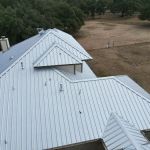 Accurate Roofing & Construction5.0 (36 reviews)
 JM Roofing & Siding4.0 (28 reviews)
 Tri Star Construction4.0 (204 reviews)
 A & P Vinyl Siding4.0 (9 reviews)
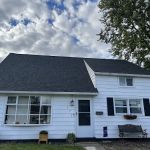 Top Peak Roofing4.0 (86 reviews)
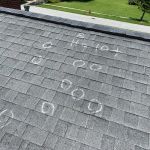 How to Spot Hail Damage on Your Roof: A Step-by-Step Guide
 How to Prevent Roof Damage from Weather Changes: Expert Tips
 How Often Should You Replace Your Home's Siding? Key Factors to Consider
 Siding Repair After Fire or Smoke Damage: A Complete Guide
 How to Maintain Your Siding Year Round with Seasonal Care Tips
 Common Siding Warranty Mistakes and How to Avoid Them