- #understanding-high-wind-roofing-challenges
- #features-of-durable-wind-resistant-roofs
- #best-roofing-materials-for-high-wind-regions
- #comparing-roofing-options-for-storm-protection
- #importance-of-professional-roof-installation
- #maintenance-tips-for-long-lasting-wind-resistant-roofs
- #choosing-the-right-roof-for-your-climate
- #protecting-your-home-with-a-strong-roofing-system
Understanding Roofing Challenges in High-Wind Regions
For homeowners living in areas affected by hurricanes, tornadoes, coastal storms, or powerful seasonal winds, choosing the right roofing system is more than a design decision. A roof is one of the most important protective barriers between your home and extreme weather conditions.
The Most Durable Roofing Options for High-Wind Regions are designed to withstand intense pressure, flying debris, heavy rain, and sudden changes in weather conditions. While no roof can completely eliminate storm damage, selecting the right materials and installation methods can significantly improve your home's ability to handle severe winds.
Many homeowners focus on the appearance of roofing materials, but performance should always be the first consideration in high-wind areas. A beautiful roof that cannot withstand local weather conditions may result in expensive repairs, water damage, and safety concerns.
1.1 Why Wind Damage Happens to Roofs
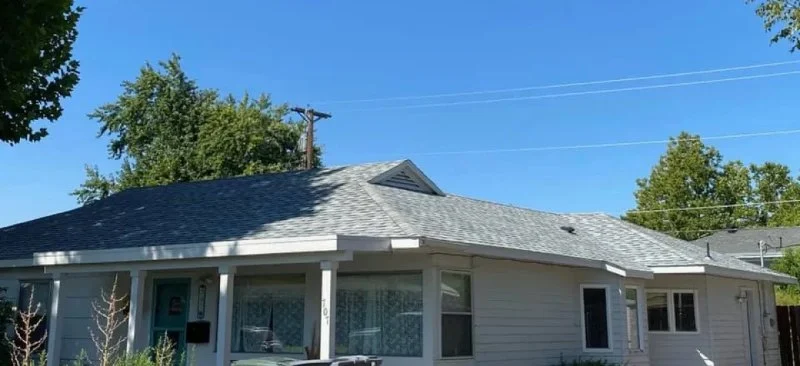
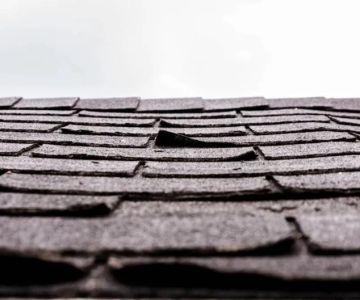
Strong winds can affect roofs in several ways. During a storm, wind pressure may lift roofing materials, loosen fasteners, damage edges, or create openings where water can enter.
The weakest areas of many roofing systems are often not the main surface but the details around:
- Roof edges
- Corners
- Flashing areas
- Roof-to-wall connections
- Shingle attachment points
A properly designed roofing system addresses these vulnerable areas to reduce the chance of failure.
1.2 Why High-Wind Areas Require Specialized Roofing
Homes in calm climates may perform well with standard roofing materials, but properties located in storm-prone regions require stronger solutions. Coastal areas, hurricane zones, and open landscapes often experience wind speeds that can test the limits of ordinary roofs.
Choosing a roofing material rated for higher wind resistance provides homeowners with greater confidence and better long-term protection.
Key Features of Durable Roofing Systems for Strong Winds
The strongest roofs are not created by materials alone. Durability comes from combining high-quality products, proper design, professional installation, and regular maintenance.
2.1 Strong Material Construction
A roofing material must be able to resist lifting, cracking, and impact damage. Materials designed for high-wind performance typically have stronger structures and improved attachment systems.
For example, impact-resistant shingles and reinforced metal roofing products are engineered to handle conditions that would damage lower-quality alternatives.
2.2 Secure Installation Methods
Even the strongest roofing materials can fail if they are installed incorrectly. Wind resistance depends heavily on how well roofing components are attached to the home's structure.
Professional installation often includes:
- Proper fastening techniques
- Correct nail placement
- Strong underlayment protection
- Secure flashing installation
- Attention to roof edges and corners
2.3 Weather-Resistant Design
A durable roof must work as a complete system. This includes ventilation, drainage, waterproof barriers, and structural support.
A well-designed roofing system prevents moisture problems while also improving resistance against extreme wind conditions.
The Best Roofing Materials for High-Wind Regions
When choosing a roof for a high-wind area, homeowners have several options. Each material has unique advantages depending on climate, budget, and performance expectations.
3.1 Metal Roofing: Strength and Long-Term Performance
Metal roofing is one of the most popular choices for homeowners seeking durability in high-wind regions. Modern metal roofs are designed to resist strong winds, impact damage, and moisture exposure.
One reason metal roofing performs well during storms is its ability to remain securely attached when properly installed. Unlike some materials that can break apart into pieces during severe weather, metal panels provide a continuous protective layer.
Advantages of Metal Roofing
- Excellent wind resistance
- Long service life
- Low maintenance requirements
- Resistance to fire and moisture
- Modern appearance options
Metal roofing can be especially valuable for coastal homeowners because many products are designed to resist corrosion caused by salty air.
3.2 Impact-Resistant Asphalt Shingles
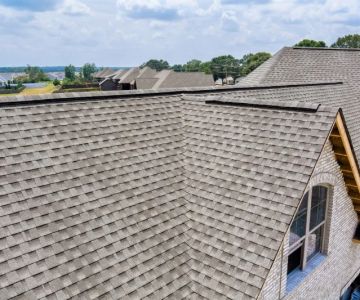
Asphalt shingles remain one of the most common roofing choices in the United States. However, homeowners in high-wind areas should consider reinforced or impact-resistant versions rather than basic shingles.
High-quality architectural shingles are thicker, stronger, and often designed with improved wind ratings.
Benefits of Advanced Asphalt Shingles
- Affordable compared with some premium materials
- Available in many styles and colors
- Good balance of durability and cost
- Suitable for many residential designs
3.3 Clay and Concrete Roofing Tiles
Clay and concrete tiles are known for their durability and resistance to harsh weather. When properly installed, these materials can provide excellent protection in areas exposed to strong winds.
Their weight helps keep them secure, although the roof structure must be designed to support the additional load.
Considerations for Tile Roofing
While tile roofing offers impressive durability, individual tiles can crack if struck by heavy debris. Regular inspections are important after major storms to identify damaged sections.
3.4 Synthetic Roofing Materials
Synthetic roofing products have become increasingly popular because they combine modern technology with traditional appearances.
Some synthetic materials are designed to imitate slate, wood, or tile while offering improved impact resistance and lighter weight.
Comparing Roofing Options for Maximum Storm Protection
Every roofing material has advantages, and the best choice depends on your home's location, weather conditions, and personal priorities.
4.1 Durability Versus Cost
The least expensive roofing option is not always the most affordable over time. A lower upfront price may lead to higher repair costs if the material fails during storms.
Investing in durable roofing materials can reduce maintenance expenses and improve the overall value of your property.
4.2 Climate Considerations
Different regions experience different weather challenges. A homeowner near the coast may prioritize corrosion resistance, while someone in the Midwest may focus on protection against tornado-related winds and flying debris.
4.3 Real-Life Storm Examples
After major storms across the United States, homeowners often discover significant differences between roofing systems. Properties with properly installed high-quality materials frequently experience less damage compared with homes using older or poorly maintained roofs.
Many roofing professionals have observed that installation quality is just as important as material selection. A premium roof installed incorrectly may perform worse than a properly installed mid-range roofing system.
Why Professional Installation Matters for Wind Resistance
Selecting one of The Most Durable Roofing Options for High-Wind Regions is only the first step. Installation quality determines whether your roof reaches its full performance potential.
5.1 Proper Fastening Prevents Roof Failure
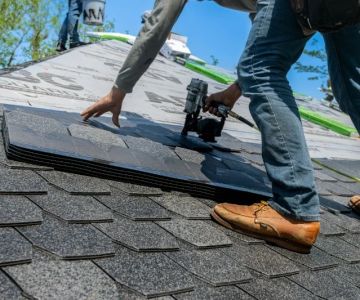
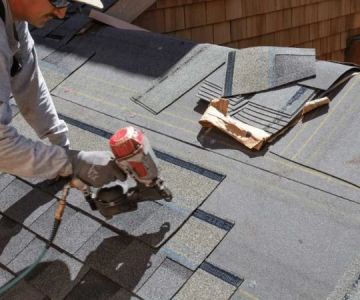
Fasteners play a critical role in wind resistance. Incorrect nail placement, insufficient attachment points, or improper techniques can weaken even the strongest roofing materials.
5.2 Professional Experience Identifies Hidden Risks
Experienced roofing professionals understand local weather patterns and building requirements. They can identify structural weaknesses and recommend solutions that improve protection.
5.3 Working With Reliable Roofing Experts
Total Roofing Hub helps homeowners explore dependable roofing solutions designed for different climates and protection needs. Choosing experienced professionals ensures that your roofing investment is installed correctly and prepared for challenging weather conditions.
Maintenance Tips to Extend Roof Life in Windy Areas
Even the strongest roof requires maintenance. Regular care helps identify small issues before they become major problems.
6.1 Schedule Routine Roof Inspections
Professional inspections are especially important after severe storms. Experts can check for loose materials, damaged flashing, and hidden moisture problems.
6.2 Keep Gutters and Drainage Systems Clear
Proper drainage protects the entire roofing system. Clogged gutters can allow water to collect near roof edges and increase the risk of damage.
6.3 Remove Nearby Hazards
Trees, branches, and outdoor structures can create additional risks during high winds. Maintaining the area around your home can reduce potential storm damage.
Choosing the Right Roof for Your Specific Environment
The best roofing choice depends on your location, home design, budget, and expected weather conditions. There is no single material that works perfectly for every homeowner.
7.1 Coastal Homes
Coastal properties often need roofing materials that resist wind, moisture, and salt exposure. Metal roofing and specially designed shingles are common choices for these environments.
7.2 Areas With Severe Storm Seasons
Regions that experience hurricanes or tornadoes benefit from roofing systems with strong attachment methods, impact resistance, and proven durability ratings.
7.3 Long-Term Home Protection
A roof is a long-term investment. Choosing durable materials today can help protect your home, belongings, and family for many years.
Building Confidence With a Durable Roofing Solution
The Most Durable Roofing Options for High-Wind Regions are designed to provide homeowners with stronger protection against unpredictable weather. From metal roofing and reinforced shingles to advanced synthetic materials, modern roofing technology offers many solutions for storm-prone areas.
A reliable roof is not only about preventing leaks. It is about creating a safer, stronger, and more resilient home. The combination of quality materials, professional installation, and regular maintenance gives homeowners the best opportunity to withstand challenging weather conditions.
If you are considering upgrading your roof or choosing a new roofing system, Total Roofing Hub can help you explore durable options suited to your home's needs. Discover better protection, improve your property's value, and invest in a roofing solution built for high-wind environments.
 No Limit Carpentry, Inc.0.0 (0 reviews)
 South County Roofing0.0 (0 reviews)
 North American Roofing Company5.0 (1 reviews)
 iSmart Roofing5.0 (27 reviews)
 Premier siding and roofing4.0 (8 reviews)
 CT STRONG ROOFING LLC5.0 (5 reviews)
 What to Expect During Roof Replacement for Large Homes
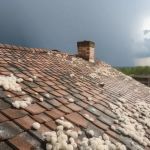 How to Spot Hail Damage on Your Roof | Roofing Tips for Homeowners
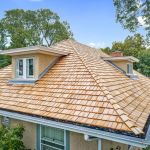 How to Choose Roofing Materials for Different Climates
 How to Choose the Right Shingle Color to Improve Curb Appeal
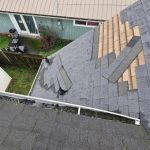 How Often Should You Replace Your Home's Siding? | Total Roofing Hub
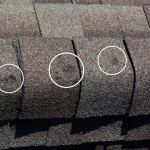 How to Spot Hail Damage on Your Roof