
- understanding-roof-stability-during-storm-season
- why-storm-season-can-threaten-your-roof
- inspect-your-roof-before-storms-arrive
- strengthening-roof-structure-for-extreme-weather
- preventive-roof-maintenance-strategies
- common-roof-problems-after-severe-storms
- professional-roofing-support-and-long-term-protection
Understanding Roof Stability During Storm Season
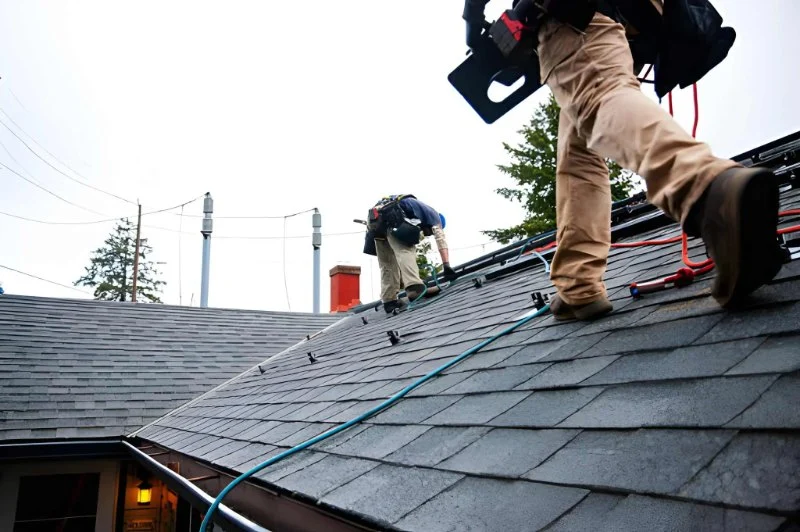
Storm season can bring some of the most challenging conditions a home will ever face. Heavy rain, strong winds, hail, lightning, and sudden temperature changes can all place significant stress on a roofing system. For homeowners, learning how to maintain roof stability during storm season is one of the most important steps toward protecting property, preventing expensive repairs, and keeping families safe.
A roof is more than just the outer layer covering a house. It is a complex system made up of shingles, underlayment, decking, flashing, ventilation components, fasteners, and structural supports. Every part works together to protect the interior of a home from weather exposure. When even one component becomes weak, the entire system may become more vulnerable during severe storms.
Many homeowners only think about their roofs after visible damage appears. However, storm protection begins long before the first dark clouds arrive. Regular inspections, timely repairs, and proper maintenance can significantly improve a roof’s ability to handle harsh weather conditions.

The Importance of a Stable Roofing System
A stable roof helps prevent several common storm-related problems, including water leaks, wind damage, mold growth, and structural deterioration. During a powerful storm, a roof must resist upward wind pressure, heavy water flow, and flying debris.
For example, a small area of loose shingles may not seem serious on a calm day. However, during high winds, that weak point can allow wind to lift additional shingles and expose the roof deck underneath. What begins as a minor maintenance issue can quickly become a major repair project.
How Weather Patterns Affect Roof Performance
Different regions of the United States experience different storm challenges. Coastal areas may face hurricanes and tropical storms, while central states often deal with tornadoes and severe thunderstorms. Northern areas may experience heavy snow followed by ice buildup, creating additional stress on roofing materials.
Understanding local weather conditions helps homeowners choose better maintenance strategies. A roofing approach that works well in a dry climate may not provide enough protection in an area with frequent storms and heavy rainfall.
Why Storm Season Can Threaten Your Roof
Storms can damage roofs in several ways, and many problems are not immediately visible. A roof may appear normal from the ground while already experiencing hidden weaknesses that could worsen during the next storm.
Strong Winds and Roof Uplift
High winds create pressure differences around a home. When wind moves across the roof, it can create lifting forces that pull against shingles and roofing materials. If nails are loose, adhesives have weakened, or installation was poor, sections of the roof may become vulnerable.
Wind damage does not always mean a roof is completely torn away. Often, the first signs include missing shingles, curled edges, exposed fasteners, or damaged flashing. Addressing these issues early can prevent larger failures.
Heavy Rain and Water Intrusion
Rain itself is not usually the biggest problem for a healthy roof. The danger comes when water finds a pathway through damaged areas. Cracked flashing, blocked gutters, missing shingles, or deteriorated seals can allow moisture to enter the home.
Water damage often spreads slowly. A small leak in the attic may eventually damage insulation, ceilings, walls, and electrical systems. This is why storm preparation should include checking areas that are not easily visible.
Hail and Impact Damage
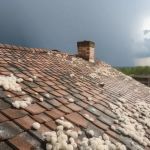
Hailstorms can be especially damaging because they create impact points across the roof surface. Large hail can crack shingles, damage protective coatings, and weaken roofing materials.
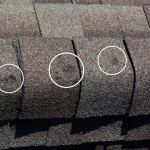
After a major hailstorm, homeowners should inspect their roof for dents, missing granules, and damaged areas. Even minor-looking hail damage may reduce the roof’s ability to protect the home during future storms.
Inspect Your Roof Before Storms Arrive
One of the most effective ways to maintain roof stability during storm season is performing regular inspections before severe weather begins. A proactive inspection can identify problems while they are still manageable.
Checking Shingles and Roofing Materials
Shingles provide the first layer of defense against rain and wind. Homeowners should look for signs such as:
- Missing shingles
- Cracked or broken shingles
- Curling edges
- Dark patches caused by moisture absorption
- Excessive loss of protective granules
These warning signs indicate that the roof may need attention before the next storm arrives.
Examining Flashing and Seals
Flashing protects areas where the roof meets walls, chimneys, vents, and other structures. Because these areas experience movement and weather exposure, they are common locations for leaks.
Damaged flashing can allow water to enter even when shingles appear healthy. Checking these areas regularly helps maintain the overall waterproofing ability of the roof.
Inspecting the Attic Space
The attic provides valuable information about roof health. Signs of trouble may include:
- Water stains on wooden structures
- Musty odors
- Mold growth
- Visible daylight through roof boards
- Wet insulation
Detecting these problems early allows homeowners to address issues before storms create additional damage.
Strengthening Roof Structure for Extreme Weather
Maintaining roof stability during storm season is not only about repairing visible damage. It also involves improving the strength and reliability of the entire roofing system.
Improve Roof Fastening Systems
Fasteners play an important role in keeping roofing materials attached during strong winds. Proper installation techniques, including correct nail placement and secure attachment, help reduce the risk of wind-related damage.
Older roofs may have outdated fastening methods that do not perform as well under modern storm conditions. A roofing professional can evaluate whether improvements are needed.
Maintain Proper Roof Ventilation
Ventilation affects roof durability throughout the year. Poor ventilation can trap heat and moisture in the attic, which may weaken roofing materials over time.
A balanced ventilation system helps regulate temperature, reduce moisture buildup, and extend the lifespan of roofing components.
Keep Gutters and Drainage Systems Functional
Water management is a critical part of storm preparation. Gutters and downspouts direct rainwater away from the roof and foundation.
When gutters become clogged with leaves, branches, or debris, water may overflow and collect around roof edges. Over time, this can contribute to leaks, rot, and structural damage.
Preventive Roof Maintenance Strategies
Regular maintenance is one of the most cost-effective ways to protect a home during storm season. Small maintenance tasks can prevent larger problems and help extend the life of a roofing system.
Schedule Seasonal Roof Checks
A seasonal inspection before storm season allows homeowners to identify weak points. Spring and early summer are often ideal times to prepare for severe weather because repairs can be completed before storms become frequent.
Routine inspections are especially important for older roofs. Materials naturally become weaker over time, making maintenance more valuable as the roof ages.
Trim Nearby Trees and Remove Hazards
Trees provide shade and beauty, but branches near a roof can become dangerous during storms. Strong winds may break branches and send them onto the roofing surface.
Keeping trees properly trimmed reduces the risk of impact damage. Homeowners should also remove loose outdoor objects that could become airborne during severe weather.
Repair Small Issues Quickly
Many expensive roof repairs begin with small problems that were ignored. A single damaged shingle or minor flashing issue can become a larger structural concern after repeated storms.
Taking care of repairs quickly is an investment in long-term protection. Homeowners looking for reliable roofing guidance and solutions can explore resources from Total Roofing Hub to better understand available maintenance options.
Common Roof Problems After Severe Storms
Even with preparation, storms can sometimes cause damage. Knowing what to look for after severe weather helps homeowners respond quickly.
Missing or Damaged Shingles
After high winds, missing shingles are one of the most common roofing problems. Exposed areas can allow water to reach the underlying structure.
Replacing damaged shingles quickly helps restore the roof’s protective barrier.
Leaks and Interior Water Damage
Water stains on ceilings or walls may indicate roof damage. However, the location of the stain is not always directly below the source of the leak because water can travel along roof structures.
A professional evaluation can help locate the actual cause and prevent repeated problems.
Structural Weakness
Severe storms can sometimes affect the underlying roof structure. Sagging areas, unusual roof shapes, or visible movement should be addressed immediately.
Structural issues require careful evaluation because they affect the overall safety of the home.
Professional Roofing Support and Long-Term Protection
While homeowners can perform basic checks and maintenance tasks, professional roofing inspections provide a deeper evaluation of the entire system. Experienced roofing specialists can identify hidden problems, recommend improvements, and help homeowners prepare for future storms.
A strong roof is built through consistent care rather than emergency repairs after damage occurs. By combining regular inspections, proper maintenance, quality materials, and professional advice, homeowners can improve their roof’s ability to withstand challenging weather conditions.
Building Confidence Before the Next Storm
Storm season can be stressful, but preparation creates peace of mind. Understanding how to maintain roof stability during storm season allows homeowners to take practical steps before problems occur.
Your roof protects everything beneath it, making maintenance one of the smartest investments in your home. Whether you need inspection guidance, repair information, or long-term roofing solutions, working with trusted resources such as Total Roofing Hub can help you make informed decisions and keep your property protected through every season.
 No Limit Carpentry, Inc.0.0 (0 reviews)
 South County Roofing0.0 (0 reviews)
 North American Roofing Company5.0 (1 reviews)
 iSmart Roofing5.0 (27 reviews)
 Premier siding and roofing4.0 (8 reviews)
 CT STRONG ROOFING LLC5.0 (5 reviews)
 What to Expect During Roof Replacement for Large Homes
 How to Spot Hail Damage on Your Roof | Roofing Tips for Homeowners
 How to Choose Roofing Materials for Different Climates
 How to Choose the Right Shingle Color to Improve Curb Appeal
 How Often Should You Replace Your Home's Siding? | Total Roofing Hub
 How to Spot Hail Damage on Your Roof