Why Climate Determines the Lifespan of Your Roof
- Climate-driven-roof-performance - How temperature, humidity, and storms directly affect roofing materials
- Material-vs-weather-compatibility - Why not all roofing systems perform equally in different regions
- Long-term-roof-durability-thinking - How smart choices reduce repair costs over time
- Real-homeowner-experience - Lessons from roofing failures caused by poor climate matching
Choosing roofing materials is not just a design decision—it is a long-term investment shaped heavily by climate conditions. A roof that performs well in dry desert heat may fail prematurely in snowy northern regions. Understanding how weather interacts with roofing materials is essential for protecting your home.
Across the United States, homeowners face dramatically different environments. From humid coastal storms in Florida to freezing winters in Minnesota, each region demands a tailored approach. This is why climate roofing choices are one of the most important decisions in home construction or renovation.
One homeowner in Arizona once replaced their roof with a style popular in the Midwest, only to discover it degraded rapidly under extreme UV exposure. Within just a few years, cracking and heat damage became unavoidable—an expensive lesson in ignoring climate compatibility.
Understanding How Different Climates Affect Roofing Materials
Roofing materials respond differently depending on heat, moisture, wind, and seasonal changes. Selecting the right system requires understanding how each environmental factor impacts performance.
Northamerican Roof Repair
CalabasasLos Angeles CountyCalifornia
23811 Ventura Blvd, Calabasas, CA 91302, USA
1. Hot and Dry Climates With Intense Sun Exposure
In regions like Arizona, Nevada, and parts of Texas, extreme sunlight is the primary challenge. UV radiation breaks down materials over time, leading to fading, brittleness, and surface cracking.
For these areas, heat-reflective roofing materials such as metal roofing or light-colored asphalt shingles are commonly recommended. These materials help reduce heat absorption and improve indoor energy efficiency.
Without proper selection, homeowners often experience accelerated roof aging and increased cooling costs due to poor insulation performance.
2. Cold Climates With Snow and Ice Accumulation
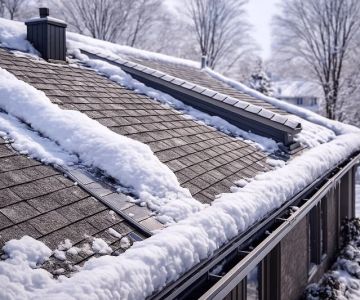
In northern states, roofs must withstand heavy snow loads and freeze-thaw cycles. Water expands when frozen, which can create cracks and structural stress in roofing systems.
Metal roofing systems and properly installed asphalt shingles with strong roofing insulation are often preferred due to their durability and snow-shedding ability.
Ice dam formation is a common issue in these regions, and improper material selection can lead to leaks and internal water damage over time.
3. Coastal Regions With Salt and High Humidity
Homes near oceans face constant exposure to salt air and moisture. These conditions accelerate corrosion and material degradation.
Corrosion-resistant metal roofing and specially treated shingles are often required in coastal environments to ensure long-term durability.
A homeowner in Florida once shared how untreated metal roofing began rusting within just a few seasons due to salt exposure—highlighting the importance of climate-specific material selection.
4. Storm-Prone and High-Wind Areas
Regions such as the Gulf Coast frequently experience hurricanes and strong winds. Roofing systems must be securely fastened and impact-resistant.
Wind-rated asphalt shingles and reinforced metal systems are commonly used to prevent uplift and structural damage during severe weather events.
Insurance claims data consistently shows that improper roofing installation is a major factor in storm-related home damage.
Key Roofing Material Options and Their Climate Suitability
Understanding material differences helps homeowners make informed decisions. Each option has strengths and limitations depending on environmental conditions.
Asphalt Shingles: The Most Common Residential Choice
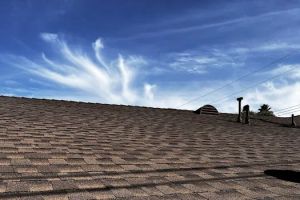
Asphalt shingles are widely used due to affordability and ease of installation. However, their performance varies by climate.
In moderate climates, they perform well. In extreme heat or cold, they may require additional roofing insulation and maintenance to extend lifespan.
Many contractors recommend upgraded architectural shingles for better durability in variable weather conditions.
Metal Roofing: High Durability Across Multiple Climates
Metal roofing is known for its strength, longevity, and energy efficiency. It reflects sunlight effectively and sheds snow easily.
It performs well in both hot and cold climates, making it one of the most versatile options available.
However, proper installation is critical. Without correct insulation layers, condensation issues can occur in humid environments.
Clay and Concrete Tiles: Ideal for Warm and Dry Regions
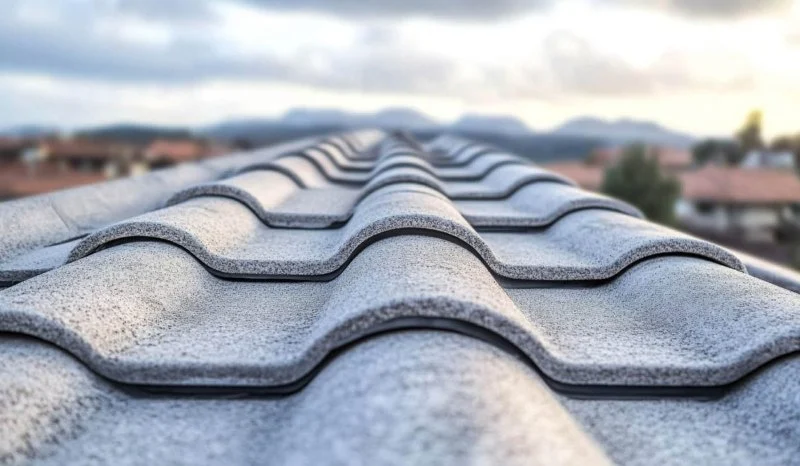
Clay tiles are commonly seen in Mediterranean-style homes and perform well in hot, dry climates.
They offer excellent heat resistance but may not be suitable for regions with frequent freeze-thaw cycles due to potential cracking.
These materials also require strong structural support due to their weight.
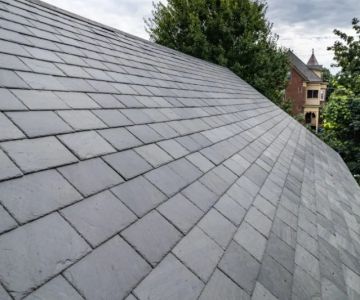
Slate Roofing: Premium Durability for Long-Term Investment
Slate is one of the most durable roofing materials available, often lasting over a century when properly maintained.
It performs well in various climates but requires professional installation and strong structural support due to its weight.
Although expensive, it is often considered a lifetime investment in regions where extreme weather is common.
Common Mistakes Homeowners Make When Choosing Roofing Materials
Many roofing failures are not caused by material defects but by poor selection and installation decisions.
Ignoring Local Climate Conditions
One of the most frequent mistakes is choosing roofing materials based on appearance rather than environmental suitability.
Aesthetic preferences often override practical considerations, leading to premature deterioration.
Underestimating Insulation Needs
Roofing insulation plays a critical role in temperature regulation and energy efficiency. Without it, even high-quality materials may underperform.
Proper insulation reduces energy costs and extends the lifespan of roofing systems significantly.
Skipping Professional Assessment
Homeowners sometimes rely on general advice instead of site-specific evaluations. Climate, roof angle, and structural condition all influence material choice.
This is where consulting professionals or sourcing reliable guidance from platforms like Total Roofing Hub can help homeowners make more informed decisions.
Real Case Study: A Costly Roofing Mismatch
A homeowner in the Midwest installed coastal-style lightweight roofing inspired by vacation homes in Florida. While visually appealing, the material struggled under heavy snow loads.
Within two winters, structural stress led to leaks and partial roof failure. The entire system had to be replaced with reinforced asphalt shingles designed for cold climates.
This case highlights how climate roofing choices are not optional—they are essential for long-term home protection.
How to Think Strategically About Your Roof Investment
A roof should be viewed as a protective system rather than just a surface covering. Climate compatibility, durability, and energy efficiency all play interconnected roles.
Homeowners who prioritize long-term performance over short-term savings tend to experience fewer repairs and lower lifetime costs.
Understanding roofing materials through the lens of climate ensures smarter decisions and stronger home protection for decades to come.
 Conspec Materials4.0 (10 reviews)
 G.O.P Restorations LLC5.0 (20 reviews)
 Cloud 9 Roofing, LLC5.0 (21 reviews)
 CCM Builders4.0 (48 reviews)
 Abe & Jay Home Improvement Inc.5.0 (11 reviews)
 Caguana Construction Inc.4.0 (52 reviews)
 The Pros and Cons of Vinyl Siding for Homeowners
 How to Replace Roof Felt or Underlayment Yourself (with Caution)
 Everything You Need to Know About Roof Warranties – Types, Coverage, and Claims
 How Much Does a New Roof Cost in 2025? – A Comprehensive Guide
 Why Roof Inspections Should Be Done Regularly for Home Protection
 How to Choose a Roofing Contractor with the Best Reputation