
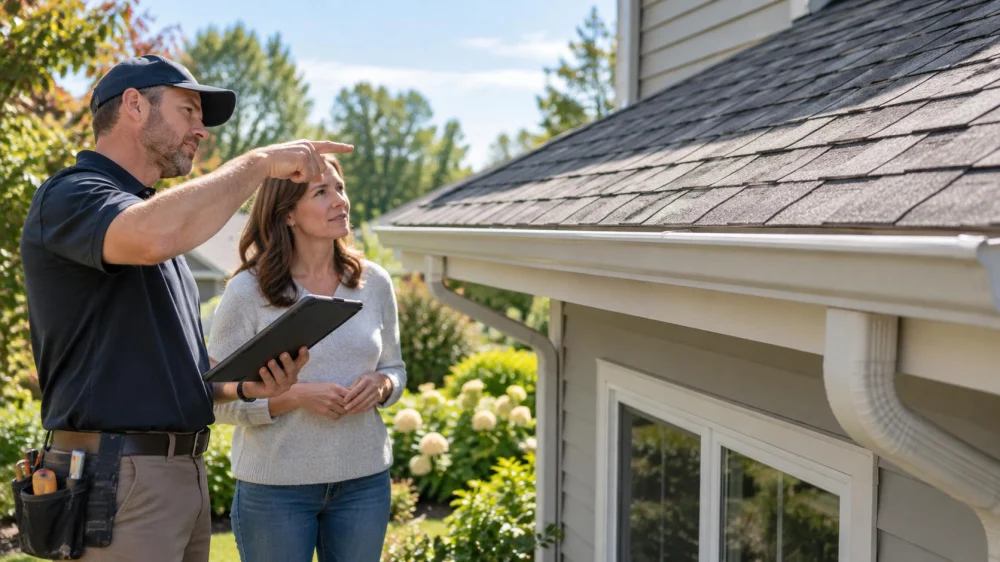
Roof Decision Check: Scope, Safety, and Records
On this page
Quick answer
For Roof decision check, start by defining the exact outcome and gathering reliable, current information. The practical goal is to compare scope, safety, responsibilities, evidence, and records before choosing the next step. Use a written checklist, verify anything safety-critical with the appropriate source or qualified professional, keep dated records, and stop when uncertainty could affect health, safety, money, access, or legal rights.
Define the result before you begin
Roof decision check is a focused process for people who need to compare scope, safety, responsibilities, evidence, and records before choosing the next step. A useful plan separates confirmed facts from assumptions and identifies the next decision before action begins.
This guide is for property occupants and owners in United States. Building type, manufacturer instructions, weather, utilities, permits, and contractor licensing rules may require a different approach.

Rivera Family Roofing & Remodeling
East HanoverMorris CountyNew Jersey
388 NJ-10, East Hanover, NJ 07936, USA
Details to compare
- Protect people, pets, and belongings before inspecting the area.
- Record location, timing, weather, odour, sound, moisture, damage, and recent work.
- Identify accessible shutoffs only when it is safe and you know what they control.
- Gather model details, manuals, warranties, estimates, and earlier repair records.
- Define testing, materials, access, protection, cleanup, exclusions, and warranty in writing.
A reliable working sequence
- Document the condition before cleaning, opening, or moving affected materials.
- Limit further damage only through safe actions you understand.
- Ask a qualified professional to explain cause, tests, options, and uncertainty.
- Compare written scope rather than price alone and approve changes before extra work.
- Test safe functions, photograph completion, and file invoices and warranty information.
Keep the final checklist with dates, names, photos, receipts, instructions, and unanswered questions. Share only the information needed for the task and protect personal data.
Stop points and exceptions
A homeowner checklist cannot confirm hidden damage, structural safety, indoor air quality, electrical safety, code compliance, or the source of every leak or failure.
Leave the area and contact emergency or qualified help for fire, gas odour, live electrical hazards, structural movement, sewage, major flooding, or another immediate danger.
Common questions
What should I prepare first?
Start with the exact decision or result connected to Roof decision check, then gather the most reliable current records and instructions.
How much documentation is useful?
Keep enough dated evidence to show condition, scope, decisions, and completion. Avoid collecting unrelated personal information.
When should I stop and ask for help?
Stop when safety, technical scope, health, money, access, or legal responsibilities are unclear or the situation is worsening.
Evidence basis
The evidence basis is common manufacturer, building-safety, insurance-documentation, and licensed-trade practice: control immediate hazards, preserve evidence, define scope, and verify completed work.
Finish and keep the record
Turn the checklist into one next action: compare scope, safety, responsibilities, evidence, and records before choosing the next step. Confirm responsibility and timing, keep the record, and revisit the plan if conditions change.


 Martin & Sons Roof Repair4.0 (35 reviews)
 Rivera Family Roofing & Remodeling4.0 (46 reviews)
 Midpoint Roofing5.0 (101 reviews)
 Aura Home Exteriors5.0 (93 reviews)
 Nivelo Construction LLC4.0 (27 reviews)
 Double D Construction4.0 (193 reviews)
 Roof Decision Check: Scope, Safety, and Records
 Roof Completion Check: Test, Photograph, and File Records
 Vinyl Siding Fasteners: Movement, Buckles, and Repair Scope
 Roof Plumbing Vent Boot: Cracks, Flashing, and Leak Clues
 Roof Valley Repair: Define Materials, Debris, and Water Path
 Siding Utility Penetrations: Flashing, Blocks, and Sealant