
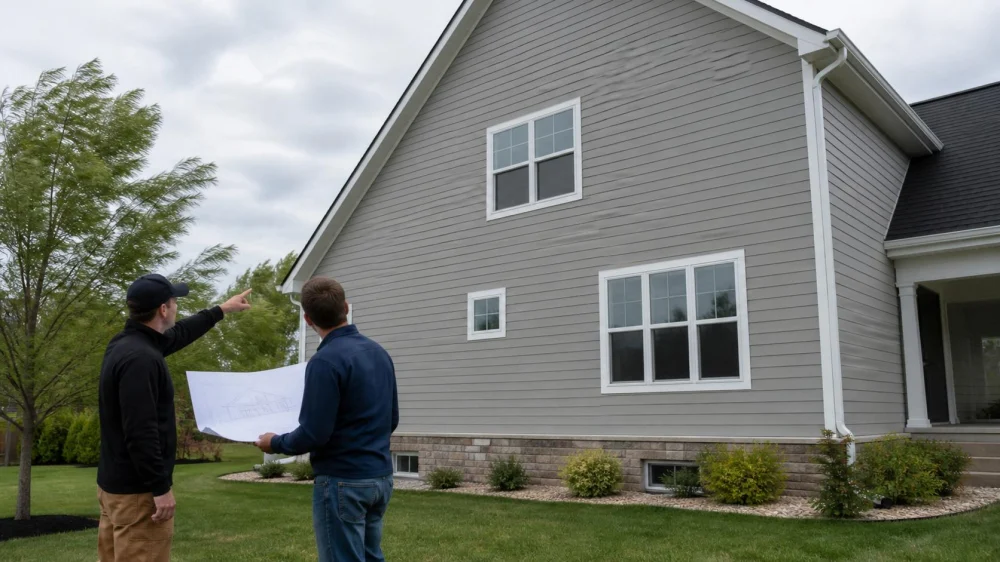
Siding Rattles in Wind: Map the Sound Before Repair
On this page
Quick answer
A wind-related rattle may come from siding panels, trim, soffits, vents, gutters, shutters, cables, or another exterior component. Stay on the ground, note wind direction and sound timing, compare indoor and outdoor locations, and record safely from a stable position. Call a qualified exterior contractor, especially if material is loose, falling, or allowing water entry.
Why an exterior rattle can be hard to locate
Sound travels through wall framing and can seem to come from a different place indoors. Many siding systems are installed with intentional movement rather than rigidly fastened, while trim and accessories have their own attachment rules. Wind speed, direction, temperature, panel length, sun exposure, and nearby components can change the sound, so one recording rarely proves the cause.
This guide is for United States homeowners and property managers documenting an exterior wall noise that appears during wind. It is not a ladder, roof, removal, refastening, or code guide. Siding material, wall height, weather, electrical service, manufacturer instructions, and local contractor requirements vary.

Baldwin Park Roofers
Baldwin ParkLos Angeles CountyCalifornia
13177 Ramona Blvd, Baldwin Park, CA 91706, USA
Practical checklist
- Date, time, wind direction if known, gust pattern, rain, temperature, and whether the wall was in sun or shade.
- Interior room and exterior elevation where the sound seems strongest, plus its height estimated only from safe ground-level observation.
- Sound type: light tapping, broad flutter, metallic clicking, scraping, banging, buzzing, or vibration transmitted through the wall.
- Nearby shutters, downspouts, soffits, vents, utility cables, service equipment, lights, cameras, signs, trees, and loose objects.
- Visible lifted, bowed, cracked, missing, or displaced material from the ground, without pulling, pushing, marking, or climbing.
- Recent siding, roofing, window, gutter, utility, insulation, painting, or storm work and any matching start date.
- Water stains, indoor drafts, damaged sheathing clues, fallen pieces, sharp edges, electrical concerns, and areas people should avoid.
Step-by-step plan
- Move people and vehicles away from visibly loose or falling material. Contact emergency services or the utility for an immediate electrical or structural hazard.
- Listen from safe indoor rooms and a stable ground-level outdoor location. Do not stand directly below suspect panels or inspect during dangerous wind.
- Mark the apparent zone on a simple wall sketch and record short audio or video clips without including private conversations or identifying information.
- Compare observations when wind direction changes. Note whether the sound stops when a branch or loose ground object is safely moved away.
- Review available product, installation, warranty, and prior repair records. Do not wedge, screw, glue, or caulk a panel to silence it.
- Call a qualified siding or exterior contractor with the map, recordings, weather pattern, material type, wall height, utilities, and work history.
- Request a written finding that identifies the actual component, attachment or clearance issue, related water-management details, repair scope, and warranty effect.
Keep a log of weather, wind direction, temperature, sun exposure, start and stop times, rooms, exterior elevation, sound character, visible movement, water clues, recent work, and media file names. After repair, note the exact component and monitor under comparable safe conditions.
Limits and important notes
Do not climb a ladder, lean from a window, touch electrical service equipment, or pull siding during wind. Noise alone cannot show whether fastening is too loose, too tight, damaged, or installed according to the product system. Adding fasteners or sealant can restrict intended movement and disrupt drainage or warranty coverage.
Keep clear and call promptly if panels, trim, soffit, gutters, shutters, or other pieces are visibly detached or falling. Contact the utility for arcing, damaged service attachments, or wires involved in movement, and emergency services for immediate danger. Water entry, sharp exposed metal, or storm damage also warrants timely professional assessment.
Frequently asked questions
Should siding move slightly in wind?
Some systems allow limited movement, but visible displacement or repeated noise needs assessment against that product's installation requirements.
Can I add a screw where the panel rattles?
Do not improvise fastening. A misplaced or over-tight fastener can damage the panel and interfere with movement or drainage.
Why does the sound seem louder indoors?
Wall cavities and framing can transmit and amplify vibration, making the apparent indoor location misleading.
Will caulk stop siding noise?
Caulk is not a general noise fix and can block designed movement or water paths when used in the wrong joint.
What recording helps a contractor?
Capture sound timing, the safe viewing location, wind direction, wall sketch, nearby components, and recent work without climbing.
Sources and evidence
Use the installed siding and accessory manufacturer instructions, contractor records, warranty documents, weather observations, utility safety guidance, and the qualified contractor's direct inspection. Generic advice cannot replace product-specific fastening, clearance, movement, and water-management requirements.
Conclusion and next steps
Map the sound by elevation, room, wind direction, and timing while staying on the ground and away from loose material. Check nearby components visually, gather product and work records, and give the contractor a concise log. Repair should address the identified component without restricting intended siding movement or drainage.



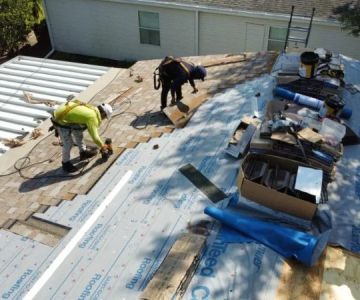
 David M. Maines & Associates, Inc.4.0 (8 reviews)
 Home Front Builders Group5.0 (4 reviews)
 McDundee Roof & Exterior Softwashing4.0 (94 reviews)
 Metal Exteriors LLC4.0 (22 reviews)
 Roberts Repairs & Roofing0.0 (0 reviews)
 HomePro of Farmington Valley Inc5.0 (10 reviews)
 Signs Your Roof Is Near the End of Its Lifespan – What to Look Out For
 What to Expect During a Roof Inspection
 What to Expect from a Roof Warranty Claim Process
 Roof Sheathing Replacement: When It Becomes Necessary for Your Home
 How to Improve Roof Performance with Proper Installation
 How to Measure Roof Slope & Its Effect on Water Runoff