
Blocked Soffit Vents: Restore Roof Intake Without Climbing
On this page
- Quick answer
- Understand the ventilation path
- Check from the ground first
- What a qualified attic inspection should cover
- Why baffles and insulation dams matter
- Avoid common quick fixes
- Build a clear contractor scope
- Important design limitations
- Soffit vent checklist
- Frequently asked questions
- Sources and evidence notes
- Conclusion and next steps
Quick answer
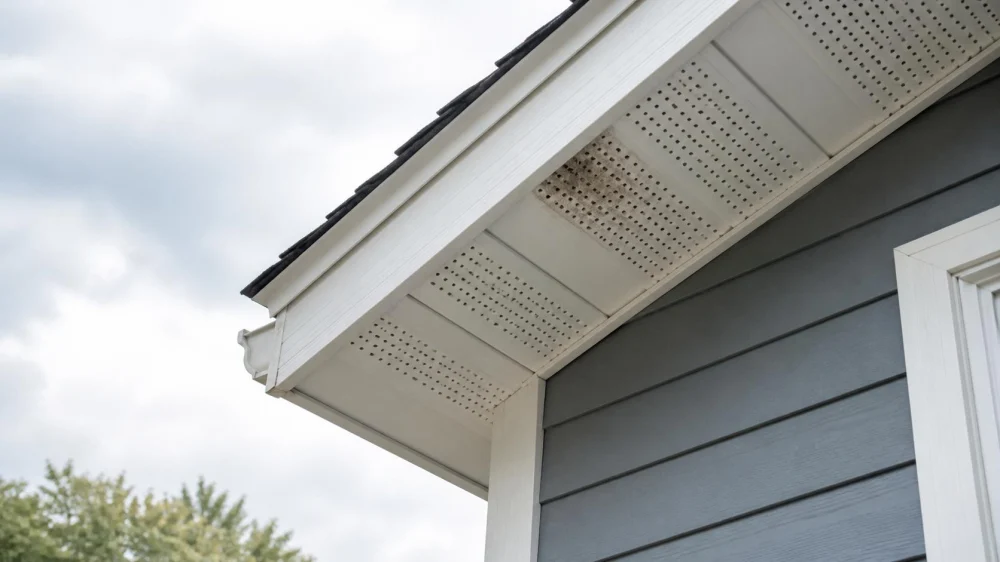
Blocked soffit vents can interrupt the intended intake path of a vented attic. Start with a ground-level visual check for paint, dust, nests, insulation, damaged panels, or storage covering openings. Do not climb onto the roof or enter a hot, cramped, contaminated, or unsafe attic. Ask a qualified roofing, insulation, or building-performance contractor to confirm the attic design, clear only vents meant to be open, and preserve a channel from the soffit to the upper exhaust vents.
Do not add vents based on appearance alone. Some roofs use an unvented conditioned-attic design, and mixing strategies can create moisture or comfort problems.
Understand the ventilation path
In a typical vented attic, lower vents at the eaves admit outdoor air while ridge, roof, or gable vents provide an upper outlet. The insulation and air barrier separate the attic from conditioned rooms below. Each part has a different job: attic ventilation is not a substitute for ceiling air sealing or correct insulation.
ENERGY STAR explains that rafter vents, also called baffles, keep soffit intake clear and create a path toward gable or ridge exhaust. A balanced plan depends on the roof geometry, local code, vent products, climate, and existing assemblies.

Michael Knott Residential Contractor, Inc.
SebringHighlands CountyFlorida
4300 Kenilworth Blvd, Sebring, FL 33870, USA
Check from the ground first
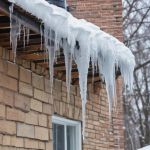
Use binoculars or a camera with zoom from stable ground. Compare all eaves and note sections that look painted over, crushed, loose, missing, clogged with debris, or covered by insect nests. Look for staining, peeling finishes, frost patterns, icicles, displaced insulation at openings, and signs of animal entry.
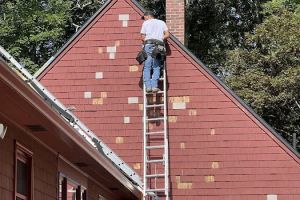
Photograph each elevation and mark locations on a simple sketch. Do not poke tools through perforations, pressure-wash the soffit, lean from a window, or place a ladder on uneven ground. These actions can damage screens, force water into the attic, or cause a fall.
What a qualified attic inspection should cover
An inspector should identify whether the attic is designed as vented or unvented and trace the full path from intake to exhaust. In a vented attic, the review may include insulation at the eaves, missing or crushed baffles, loose-fill migration, disconnected bath or kitchen exhaust ducts, air leakage from ceiling penetrations, wet sheathing, rusted fasteners, staining, mold-like growth, and pest activity.
Access conditions matter. Vermiculite insulation may contain asbestos and should not be disturbed without proper evaluation. Exposed wiring, fragile ceilings, extreme heat, low clearance, animal waste, and damaged framing are additional reasons to leave entry to trained personnel.
Why baffles and insulation dams matter
The U.S. Department of Energy’s Building Science Education resource describes baffles as chutes that maintain an air gap between the roof deck and insulation and guide air from soffit vents upward. An insulation dam or wind block helps keep loose material out of the intake while allowing insulation to reach the exterior wall line.
The exact product, depth, spacing, and vent area should match the assembly and local requirements. A baffle that is crushed, too short, detached, or blocked at either end may not provide a continuous path.
Avoid common quick fixes
- Do not remove insulation broadly without first checking for hazards and the intended thermal boundary.
- Do not drill random holes into soffit panels; wiring, framing, screens, and fire-resistance details may be hidden.
- Do not install a powered attic fan as the first response. ENERGY STAR warns that blocked intake and poor ceiling air sealing can let a fan pull conditioned air from the home.
- Do not mix ridge, gable, turbine, and powered exhaust products without a ventilation design.
- Do not seal every soffit opening because of winter drafts; drafts may come from ceiling air leaks rather than the exterior vent.
Build a clear contractor scope
Ask the contractor to document the attic type, intake and exhaust products, net free vent area when relevant, obstructed locations, baffle condition, insulation depth, ceiling air leaks, and moisture evidence. The proposal should distinguish cleaning, soffit repair, baffle or dam installation, air sealing, insulation correction, and roof repair.
Request before-and-after photos from safe access points. If wet sheathing or mold-like growth is found, ask for the moisture source and repair plan rather than covering it with new insulation.
Important design limitations
Not every perforated-looking soffit is an active vent, and not every attic should be ventilated. Spray-foam rooflines, low-slope roofs, vaulted ceilings, fire-rated eaves, multifamily assemblies, and wildfire-prone locations can require specialized details. Local building and fire codes, manufacturer instructions, and the existing design control.
Attic ventilation may reduce moisture and heat loads in a properly designed assembly, but it will not repair a roof leak, disconnected exhaust duct, missing air barrier, or undersized insulation.
Soffit vent checklist
- Confirm whether the attic is designed as vented.
- Inspect eaves from stable ground.
- Photograph blocked, painted, damaged, or missing sections.
- Keep roof and unsafe attic access out of the DIY scope.
- Trace intake, baffles, and upper exhaust as one system.
- Separate ventilation work from air sealing and insulation work.
- Address wet materials and exhaust-duct defects.
- Verify the completed path with photos and measurements.
Frequently asked questions
Can I tell whether a soffit vent is blocked from outside?
You may see surface obstruction, but insulation or a missing baffle can block it from inside. A complete assessment checks both sides safely.
Should every rafter bay have a baffle?
DOE guidance describes baffles in vented bays, but the required layout depends on the design, vent area, code, and contractor scope.
Will more vents fix a hot second floor?
Not necessarily. Air leaks, insulation, ducts, solar gain, and HVAC sizing may be more important.
Can I vacuum the perforations?
Only from a stable ground-level position with equipment that cannot damage the soffit. Hidden blockage still needs evaluation.
Do soffit vents cause winter drafts?
They introduce outdoor air to a vented attic. Drafts in rooms often indicate leakage through the ceiling plane, which should be assessed separately.
When is this urgent?
Escalate promptly for active leaks, sagging material, wet insulation, electrical concerns, strong odors, visible microbial growth, or animal entry.
Sources and evidence notes
ENERGY STAR attic ventilation guidance says not to cover soffit vents with insulation and explains the role of rafter vents. The Department of Energy’s Building Science Education baffle guide describes the intake channel and insulation-control function.
This guide does not calculate vent area or prescribe a retrofit. A qualified professional should reconcile the existing assembly with current local requirements.
Conclusion and next steps
Document suspected blockage from the ground, confirm that the attic is intended to be vented, and have the complete intake-to-exhaust path checked safely. The durable fix may include clearing vents, installing or repairing baffles, controlling insulation, sealing the ceiling plane, or correcting moisture sources—not simply adding more holes.


 Best Construction4.0 (19 reviews)
 Builders FirstSource3.0 (86 reviews)
 Install It Roofing Hawthorne4.0 (45 reviews)
 THA Roofing Company5.0 (8 reviews)
 Toth Roofing Inc4.0 (29 reviews)
 Southern Window & Siding4.0 (41 reviews)
 How to Protect Your Roof from Long-Term Wear and Tear
 Siding Paints & Stains: Longevity Tips & Avoiding Peeling
 How to Maintain Roof Performance Over the Years: Tips and Strategies
 What Every Homeowner Should Know About Roofing Materials Guide
 How to Budget for a Roof Replacement Project: A Homeowner's Guide
 How to Prevent and Fix Ice Dams on Your Roof